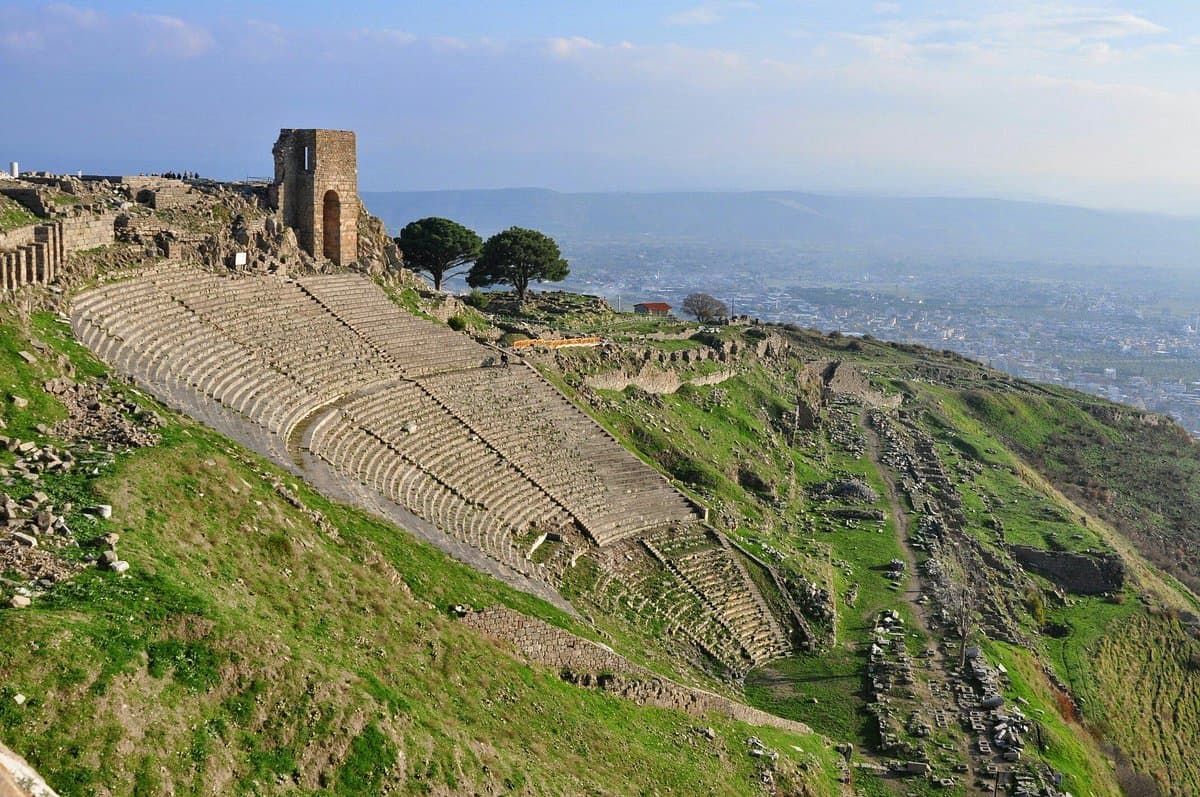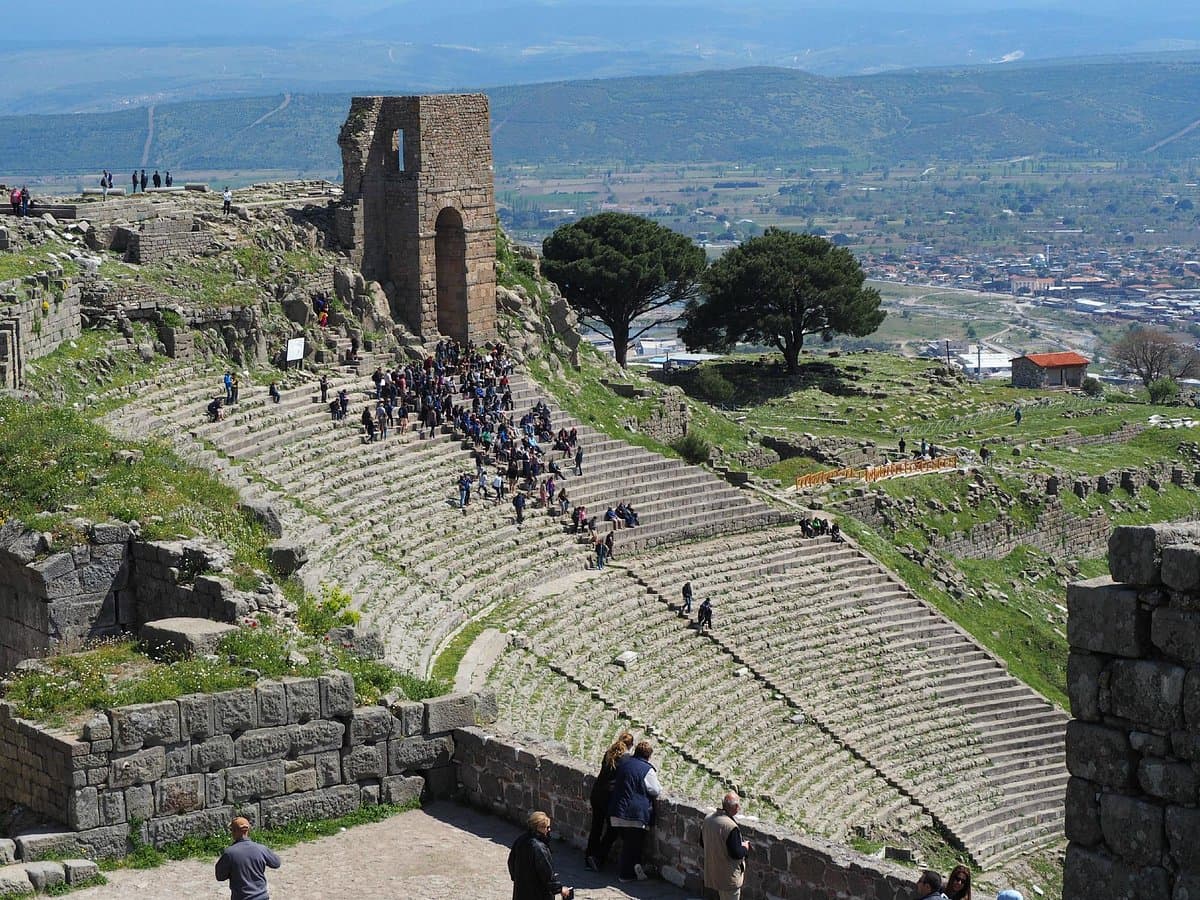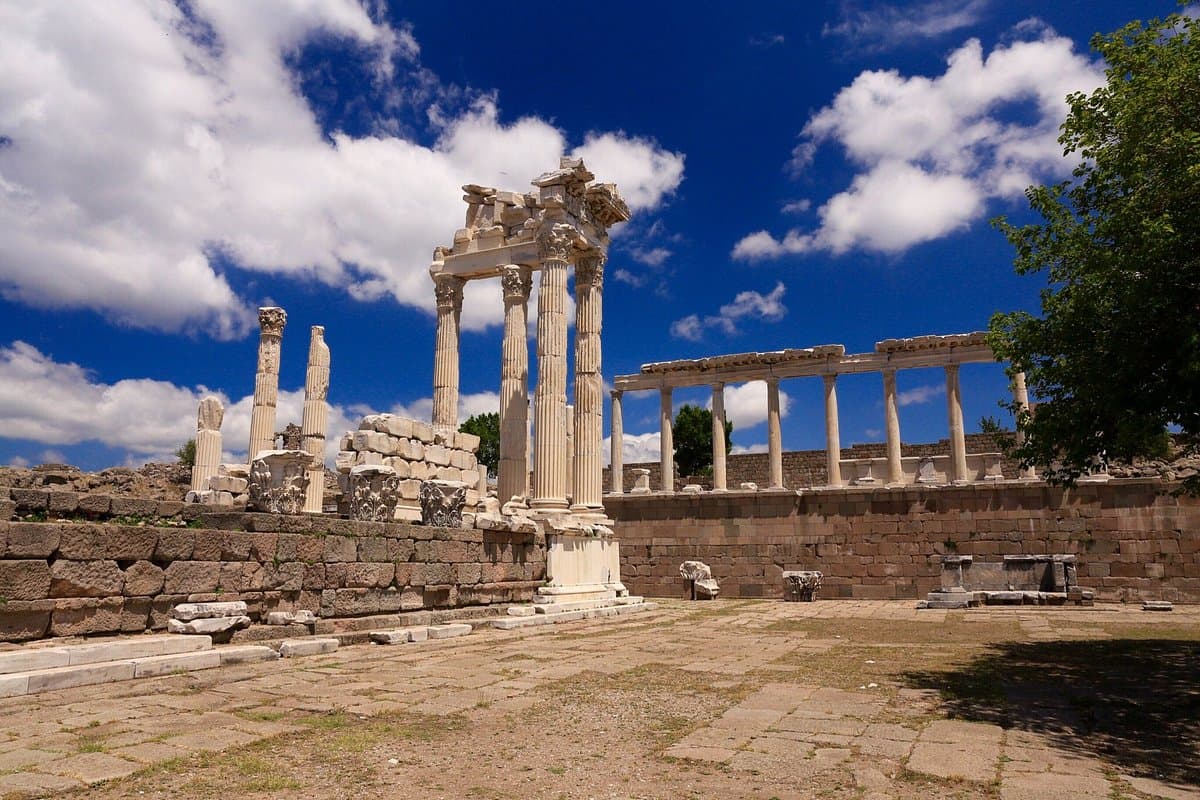
The Pergamon Acropolis, a UNESCO World Heritage site, stands as a testament to the grandeur of ancient civilizations, particularly during the Hellenistic and Roman periods. Once a powerful city and a center of culture and learning, it housed one of the ancient world's largest libraries and impressive structures like the Temple of Trajan and a remarkably steep theater carved into the hillside. Despite some of its most famous artifacts, such as the Altar of Zeus, being housed in museums abroad, the sheer scale and historical significance of the remaining ruins make it a compelling destination.
Visitors frequently highlight the breathtaking panoramic views from the hilltop, encompassing the modern city of Bergama and the surrounding countryside. Many find the site less crowded than other major ancient cities like Ephesus, allowing for a more peaceful and immersive experience. The impressive theater, the remnants of temples, and the overall layout of the ancient city consistently receive praise. However, some visitors note a lack of comprehensive signage and explanations, suggesting that a good guidebook, an audio guide, or a local guide significantly enhances the experience by providing context to the "stones."
To make the most of your visit, wear comfortable, sturdy shoes as the terrain is uneven and can be slippery, especially on marble surfaces. Bring plenty of water, a hat, and sunscreen, as there is little to no shade, particularly during the hot summer months. Many recommend visiting early in the morning to avoid both crowds and the midday heat, or in the late afternoon for beautiful light and fewer tour buses. While some visitors spend 1-2 hours, many suggest allocating 3-4 hours, or even a full day, to fully explore the extensive site, especially if you venture beyond the main areas to discover hidden mosaics or other monuments. Consider purchasing the Aegean Pass if you plan to visit multiple archaeological sites in the region, as it can be more cost-effective.
The Acropolis is situated on a steep hill overlooking Bergama. You can reach the top either by car or by cable car. The cable car station is located at the bottom of the hill, and a round-trip ticket costs around 15 TL (as per older reviews, prices may vary). There is also a parking lot at the top for those who prefer to drive, with a small parking fee (around 5 TL). Some adventurous visitors choose to walk up, noting it's a trek but manageable for those who enjoy hiking. The cable car ride itself offers stunning views and is often considered part of the experience. From the cable car station at the top, it's a short walk to the entrance of the archaeological site.
A common complaint is the perceived lack of information or organization at the site, with some feeling it's "neglected" without a guide. To mitigate this, it's highly recommended to either hire a local guide, download an audio guide, or bring a detailed guidebook. This will provide the necessary historical context and help you appreciate the significance of the ruins beyond just their physical presence. Additionally, be wary of "carpet sales" near the entrance, a common tourist trap.