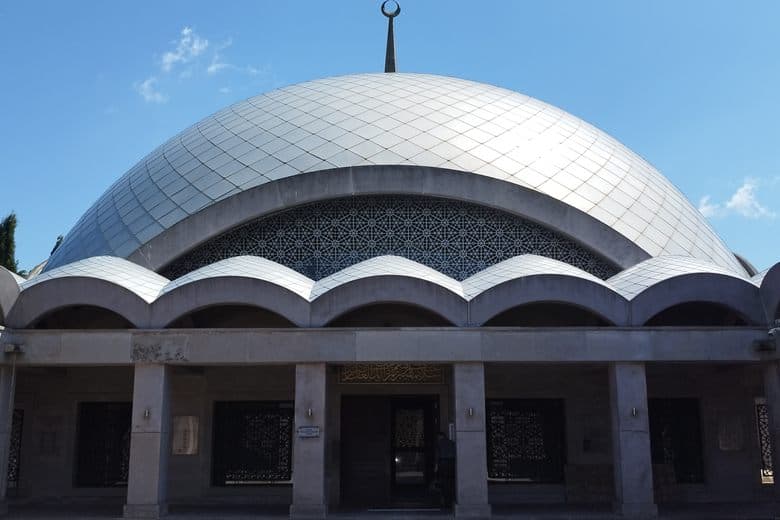
The Şakirin Mosque, inaugurated in 2009, represents a significant departure from classical Ottoman mosque design, offering a bold vision of modern Islamic architecture. Designed by architect Hüsrev Tayla with interior decoration by Zeynep Fadıllıoğlu, the first female interior designer of a mosque in modern Turkey, it is celebrated for its innovative use of materials and contemporary aesthetic. Its importance lies in showcasing how traditional religious spaces can be reinterpreted for the 21st century, making it a notable landmark for those interested in architectural evolution.
Visitors consistently praise the mosque's tranquil atmosphere and its unique, airy interior. Many are struck by the absence of heavy stone, which gives the building a sense of weightlessness, and the impressive, subtly tilted chandelier that dominates the prayer hall. The calligraphy by Semih İrteş also receives commendation for its beauty and integration into the modern design. Reviewers often highlight the mosque as a peaceful retreat, mostly used by locals, offering a quiet contrast to Istanbul's more bustling historical sites.
When visiting, dress modestly, covering shoulders and knees, and women should bring a headscarf. Shoes must be removed before entering the prayer hall. Visitors recommend spending about 30-60 minutes to fully appreciate the architecture and soak in the peaceful ambiance. The best time to visit is outside of prayer times to avoid disturbing worshippers; prayer schedules are typically displayed electronically inside. There is no entry fee, making it an accessible cultural experience.
The Şakirin Mosque is located in the Üsküdar district on the Asian side of Istanbul, adjacent to the Karacaahmet Cemetery. It is easily accessible by public transport. You can take a ferry from Eminönü or Karaköy to Üsküdar, and from there, it's a short taxi ride or a walk of about 15-20 minutes. Alternatively, several bus lines serve the area around Karacaahmet Cemetery. Driving is also an option, though parking can be challenging in Istanbul.
A common complaint, though minor, is that some visitors expect a traditional Ottoman mosque and are surprised by the modern aesthetic. To mitigate this, approach the visit with an open mind, appreciating it as a contemporary architectural statement rather than a historical one. Also, be mindful of prayer times; arriving during these periods might limit your ability to explore the interior freely or take photographs.