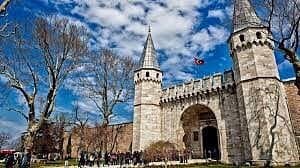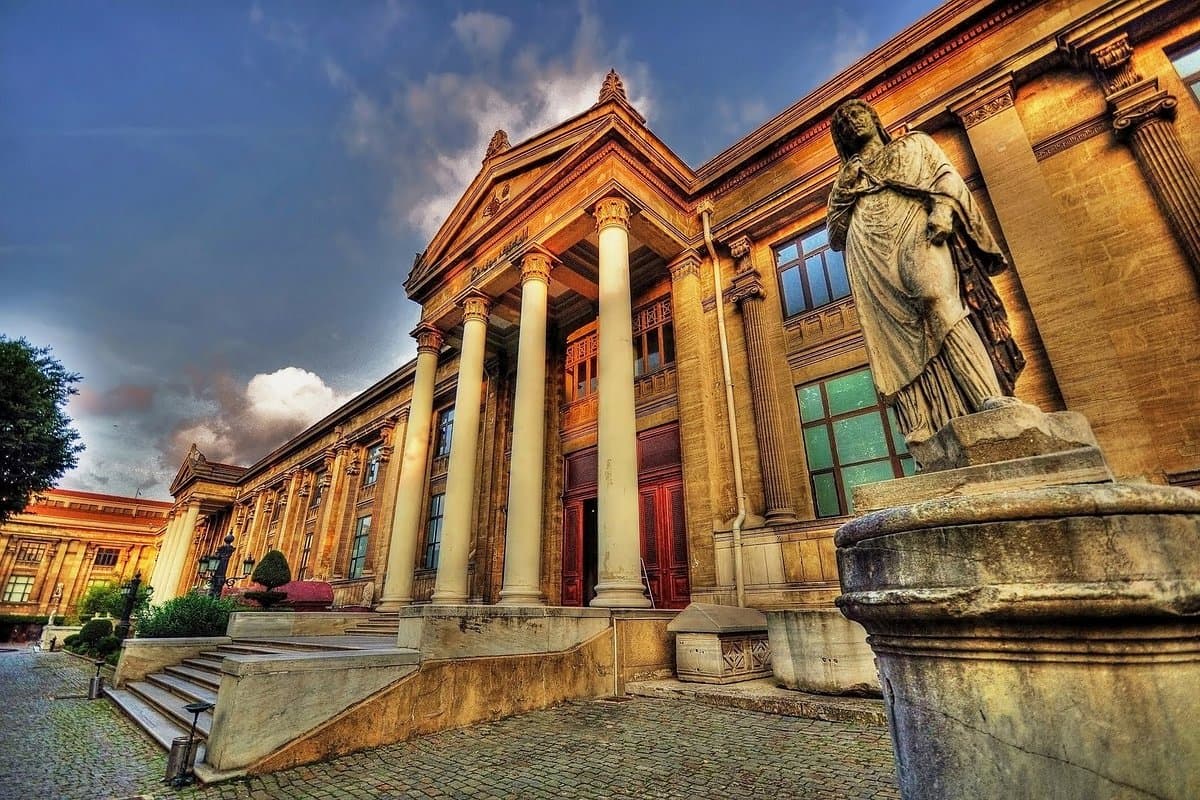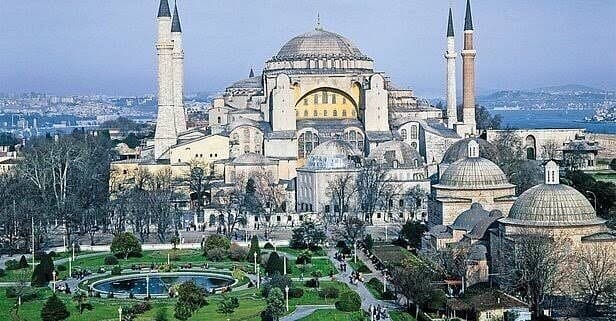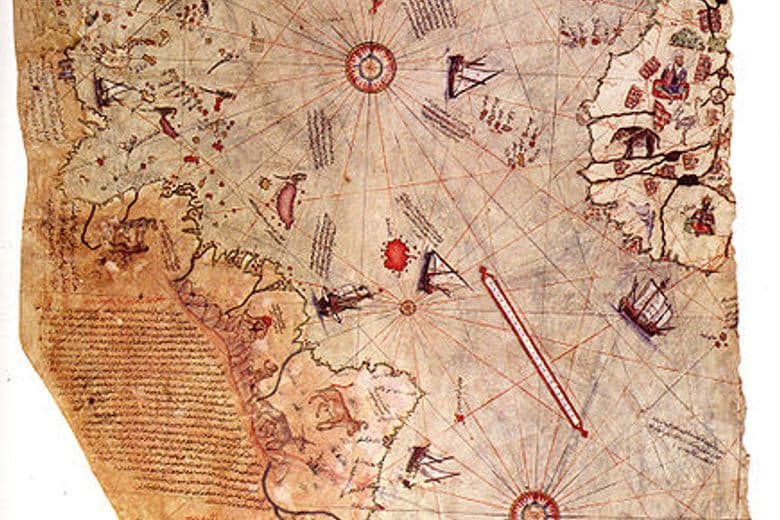
The Piri Reis Map, housed within the historic Topkapi Palace, is a significant 16th-century Ottoman world map. Drawn on gazelle skin by the admiral and cartographer Piri Reis in 1513, it gained prominence for its early depiction of the American continents, just 21 years after Columbus's expeditions. The map is not only a cartographic marvel for its time but also a rich historical document, featuring extensive annotations that detail its sources, some reportedly dating back to Alexander the Great, and offering Piri Reis's often colorful commentary on the depicted regions.
Visitors consistently find the map to be a fascinating piece of history, particularly those interested in ancient cartography, exploration, and the intersection of different cultures' knowledge. Its detailed notes, which include snarky remarks about various lands and peoples, provide an engaging, personal touch from the cartographer. While some might be drawn to the controversies surrounding its accuracy or alleged 'impossible knowledge,' most appreciate it as an impressive example of military intelligence and cartography from the Ottoman era.
To fully appreciate the map, allocate about 30-60 minutes, especially if you wish to read the translated annotations. It's best viewed during less crowded times at Topkapi Palace, typically early mornings or late afternoons, to avoid queues and allow for closer inspection. Bringing a good guidebook or using the palace's audio guide can enhance the experience by providing context to the map's historical significance and the controversies it sparked. Since the map is part of the Topkapi Palace Museum, the entry fee for the palace covers access to the exhibition where the map is displayed.
The Piri Reis Map is located within the Topkapi Palace Museum, which is easily accessible by public transport. The nearest tram stop is Sultanahmet (T1 line), a short walk from the palace gates. Many bus routes also serve the area around Sultanahmet Square. For those driving, parking can be challenging in the historic peninsula, so public transport is highly recommended. The palace itself is a large complex, so be prepared for a fair amount of walking once inside.
A common complaint among visitors is the sometimes limited visibility due to crowds or the protective display conditions. To mitigate this, try to visit during off-peak hours. Additionally, some visitors expect a larger or more prominently displayed artifact; managing expectations by understanding it's a historical document, not a grand art piece, can improve the experience.