The Great Palace Mosaics Museum preserves a remarkable section of the original floor mosaics from the Great Palace of Constantinople, which served as the primary residence of Byzantine emperors from the 4th to the 11th centuries. These intricate 5th-century mosaics, unearthed during excavations in the 1930s and 1950s, depict scenes of daily life, nature, and mythology, offering a rare window into the artistic and cultural landscape of the Byzantine Empire.
Visitors consistently praise the museum for its beautiful and historically significant mosaics, often highlighting the detailed craftsmanship and vibrant colors that have survived centuries. Many reviewers appreciate the quiet, uncrowded environment, which allows for a more contemplative viewing experience compared to Istanbul's more famous attractions. The explanations provided, detailing the discovery, restoration, and historical context of the mosaics, are frequently commended for their clarity and depth. However, some visitors find the museum small, noting that it can be explored in a relatively short amount of time, and a few mention that the display methods could be more modern.
To make the most of your visit, allocate 30 to 60 minutes. The museum is best visited during off-peak hours, such as early mornings or late afternoons, though it rarely gets crowded. Consider purchasing an Istanbul Museum Pass if you plan to visit multiple museums, as it often includes entry and can offer better value. Bring a good camera to capture the intricate details of the mosaics, especially since the lighting can be dim in some areas. While the museum is small, its focus on a specific historical period and art form makes it a rewarding stop for those with a keen interest in Byzantine history or mosaics.
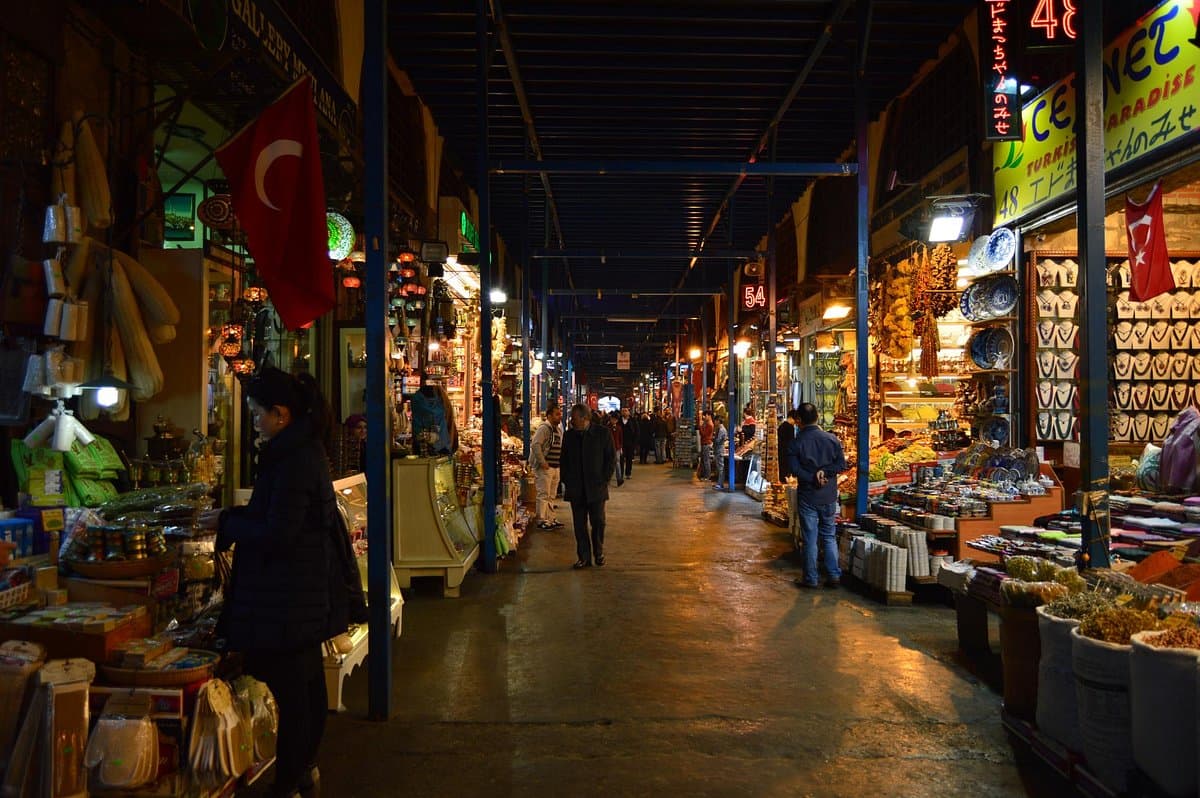
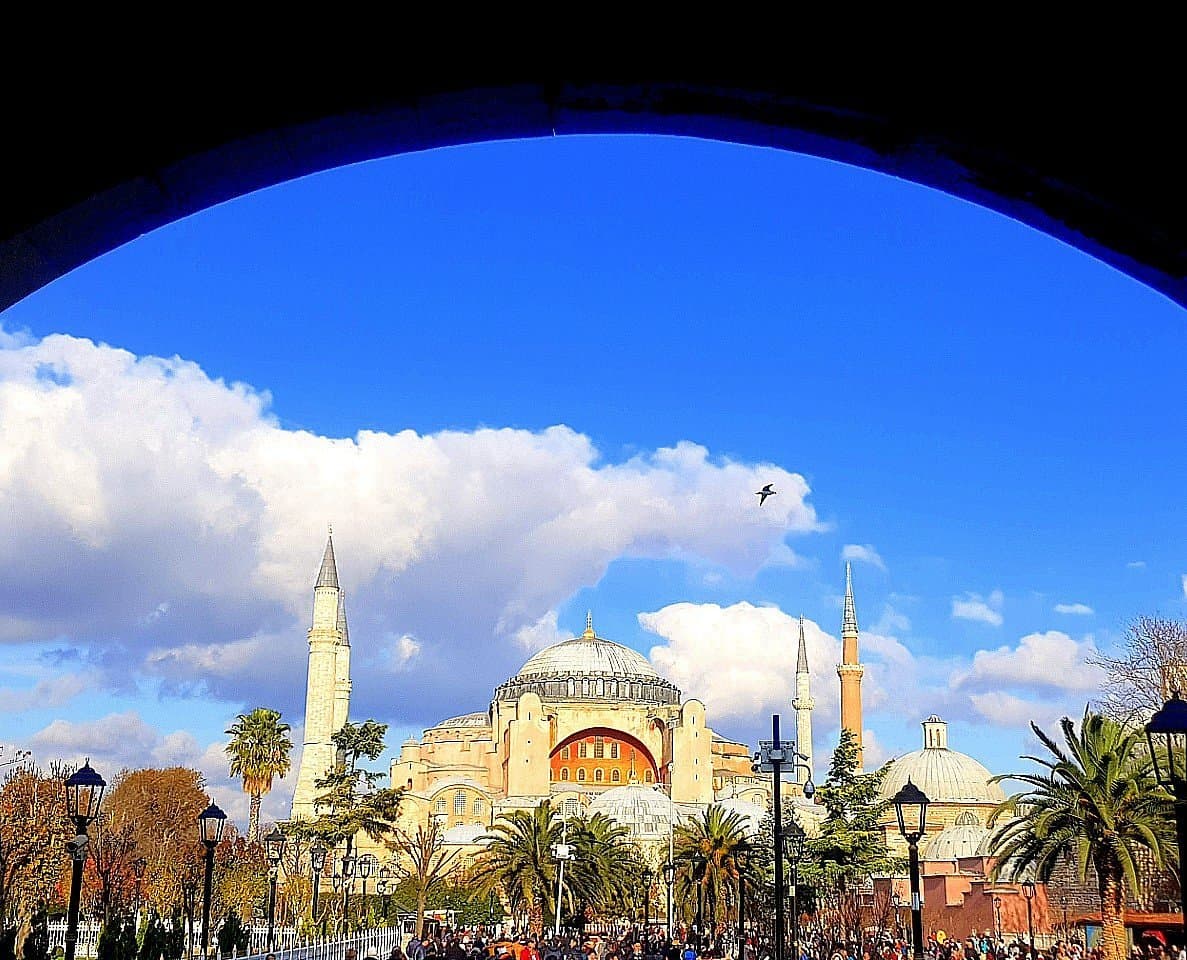
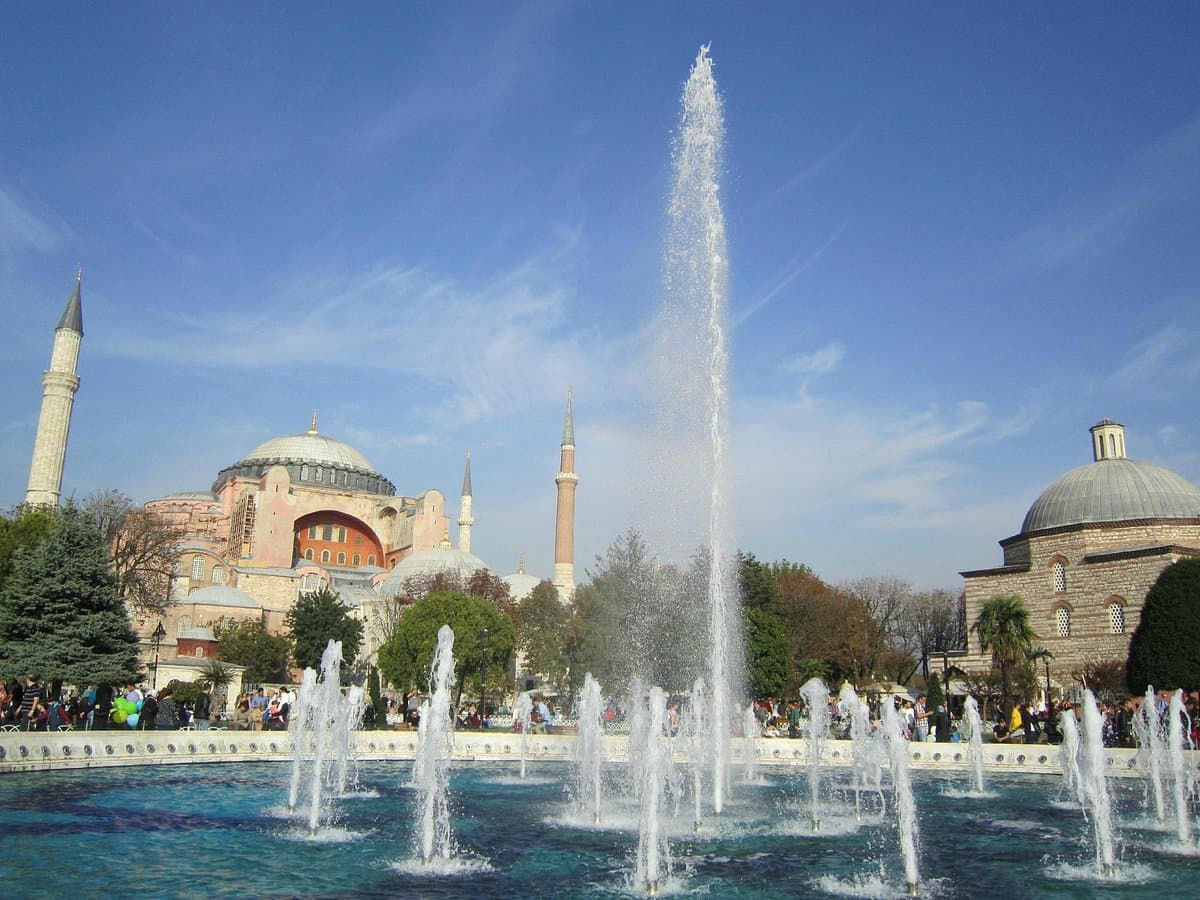
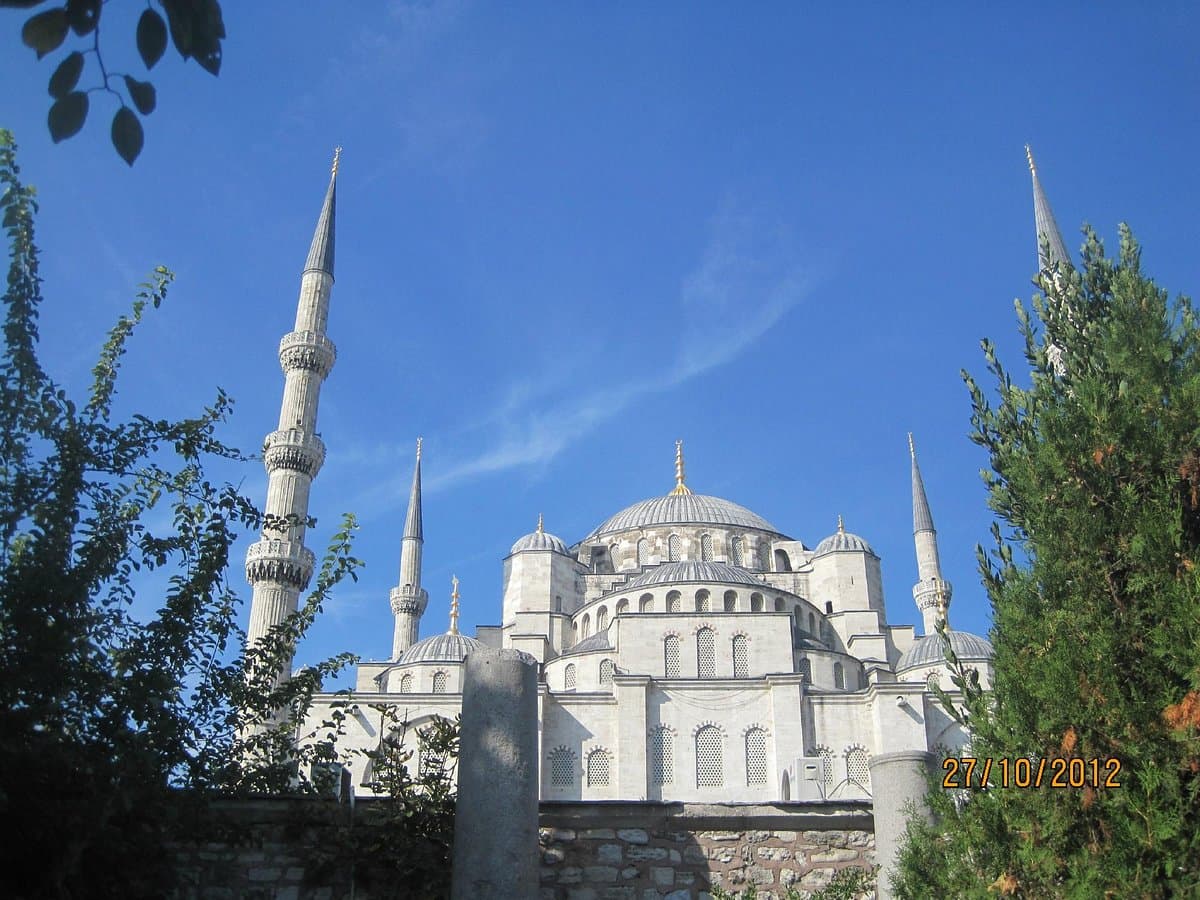
The museum is conveniently located in the Sultanahmet area, adjacent to the Arasta Bazaar and just a few minutes' walk from the Blue Mosque and Hagia Sophia. Its address is Kabasakal Cad. Arasta Çarşısı Sok. No:53, Sultanahmet Mahallesi. The easiest way to reach it is by taking the T1 tram line to the Sultanahmet stop, from which it's a short walk through the bazaar. Finding the entrance can be a bit tricky, as it's tucked away within the Arasta Bazaar; look for signs or ask locals for directions to the "Mozaik Müzesi."
A common complaint is the museum's small size and somewhat dated presentation, which can lead some visitors to feel it's not worth the separate entrance fee if they don't have a Museum Pass or a strong interest in mosaics. To mitigate this, manage your expectations regarding its scale and focus on the unique historical value of the mosaics themselves. Some reviewers also noted temporary closures for renovation, so it's advisable to check the current operating status before planning your visit.