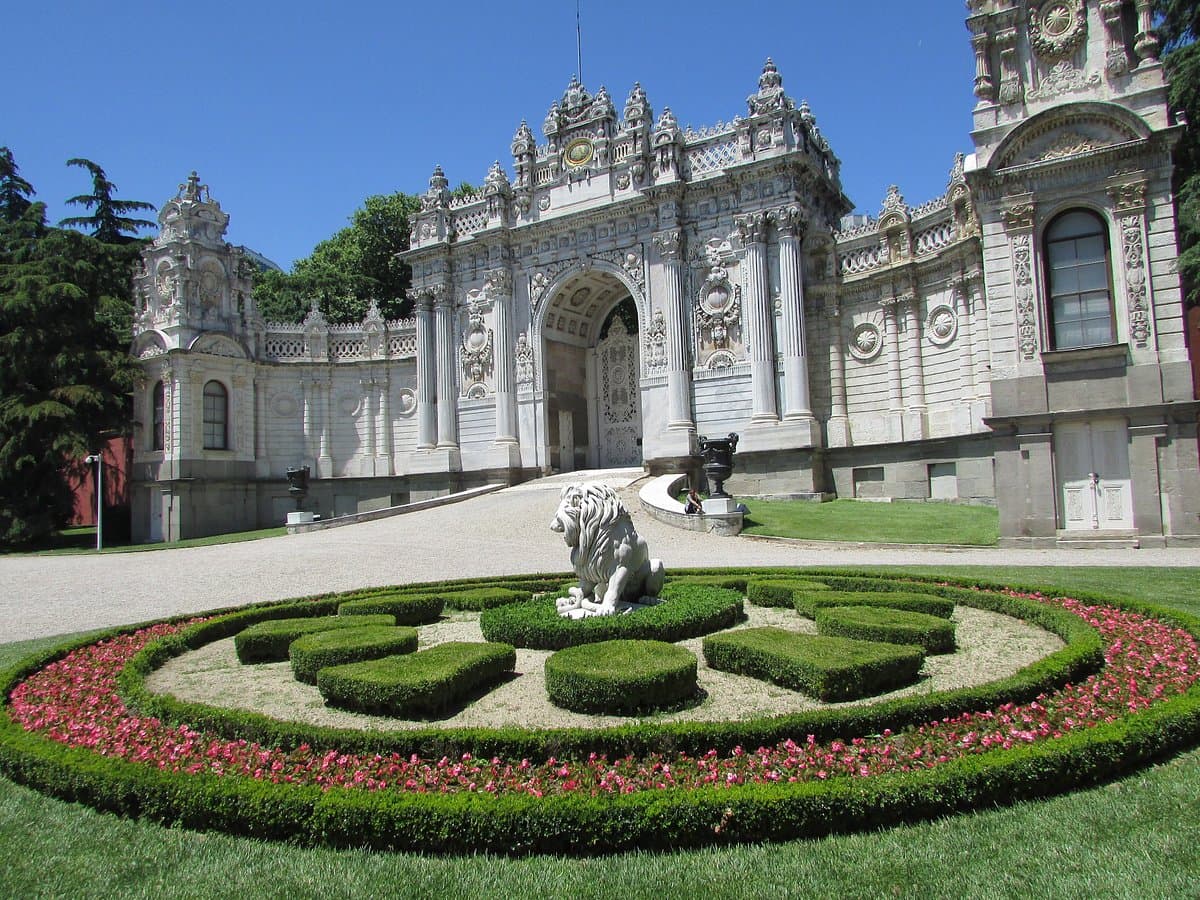
Dolmabahçe Palace served as the main administrative center of the Ottoman Empire from 1856 to 1887 and again from 1909 to 1922, replacing Topkapı Palace. It represents a significant shift in Ottoman architecture and imperial lifestyle, embracing European Baroque, Rococo, and Neoclassical styles. This grand palace is also historically significant as the place where Mustafa Kemal Atatürk, the founder of the Turkish Republic, spent his final days.
Visitors consistently praise the palace's breathtaking architecture, lavish interiors, and the sheer opulence displayed in its numerous rooms, chandeliers, and intricate decorations. Many are particularly impressed by the Baccarat crystal staircase and the grand ceremonial hall. The beautifully maintained gardens and the palace's stunning location right on the Bosphorus also receive high marks, with many reviewers finding the exterior views and photo opportunities exceptional. However, a recurring point of contention is the strict no-photography policy inside the palace, which frustrates many who wish to capture its grandeur. Some also find the sheer volume of rooms repetitive, especially in the Harem section, and a few describe the staff as sometimes unhelpful or overly strict.
To make the most of your visit, plan to arrive early, ideally right at opening time, to avoid the largest crowds. Several visitors recommend allocating at least 2-3 hours, with some suggesting up to 4 hours to fully explore the palace, Harem, and art museum. Bringing your passport or photo ID is crucial, as it's often required to obtain the free audio guide, which many find invaluable for understanding the palace's history and details. While the entry fee is frequently cited as expensive, many still consider it worthwhile for the unique experience. Consider purchasing tickets online in advance, though be aware that 'skip-the-line' tickets may not bypass security queues. There's a pleasant café on-site for refreshments.
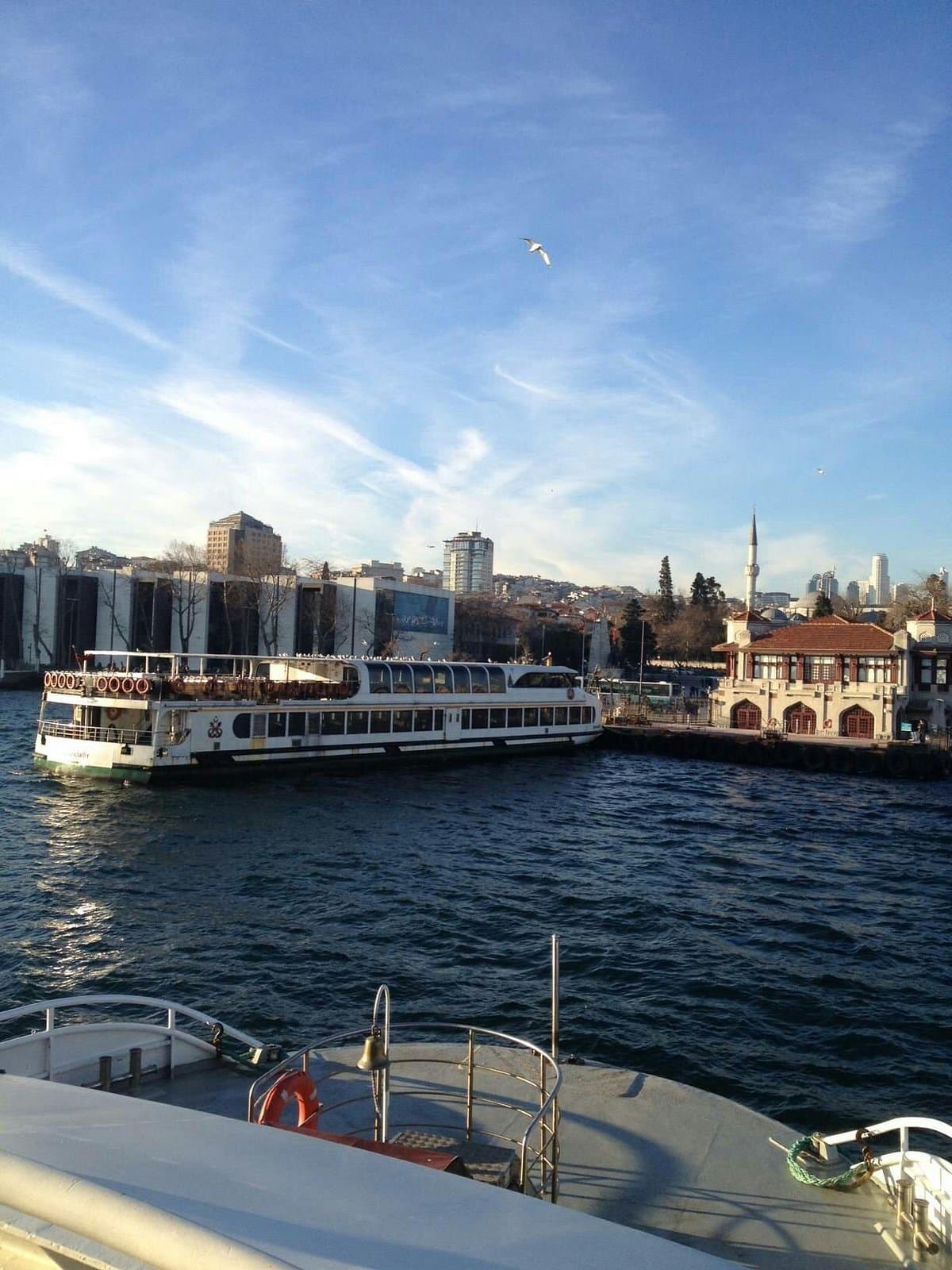
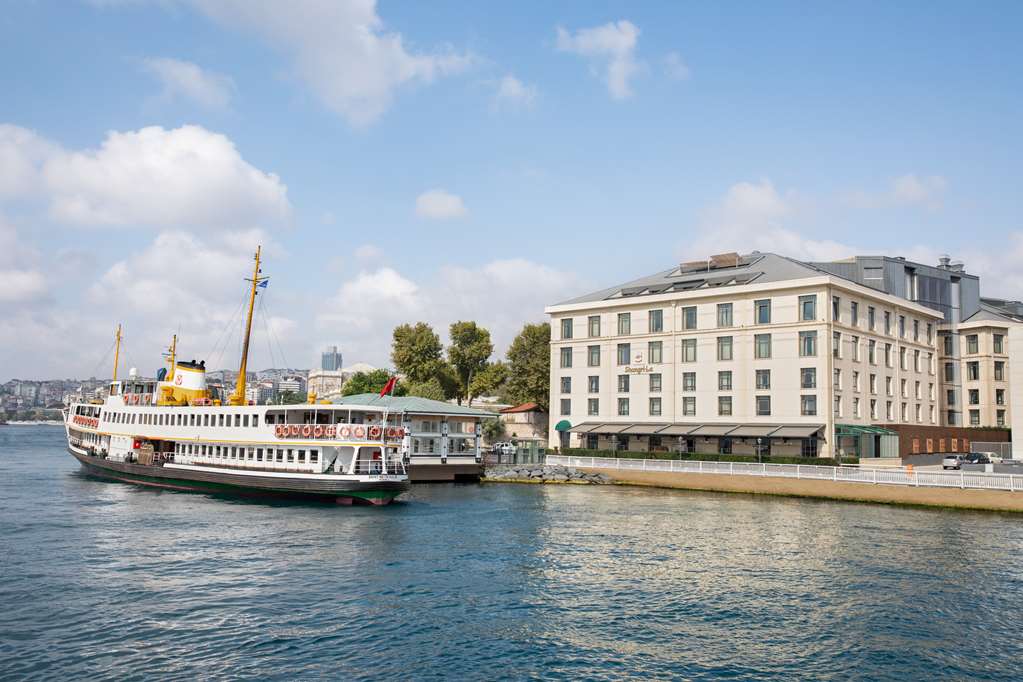
Dolmabahçe Palace is easily accessible via public transport. From central areas like Sultanahmet, take the T1 tram line to its last stop, Kabataş. From there, the palace is just a 5-10 minute walk up the road. Some visitors also mention reaching it by 'vaporetto' (ferry) from Eminönü. Driving is an option, but parking can be challenging. The palace's waterfront location makes it a prominent landmark, visible from the Bosphorus.
The most common complaints revolve around the high entry price, especially for foreign tourists compared to locals, and the prohibition of interior photography. While the price is a fixed cost, mitigating the no-photo rule means focusing on absorbing the details and perhaps purchasing postcards or books from the gift shop if available. Some visitors also report rude or unhelpful staff; maintaining patience and following instructions can help ensure a smoother experience. The palace can get very warm inside, particularly in summer, as there's no air conditioning, so dress accordingly and stay hydrated.