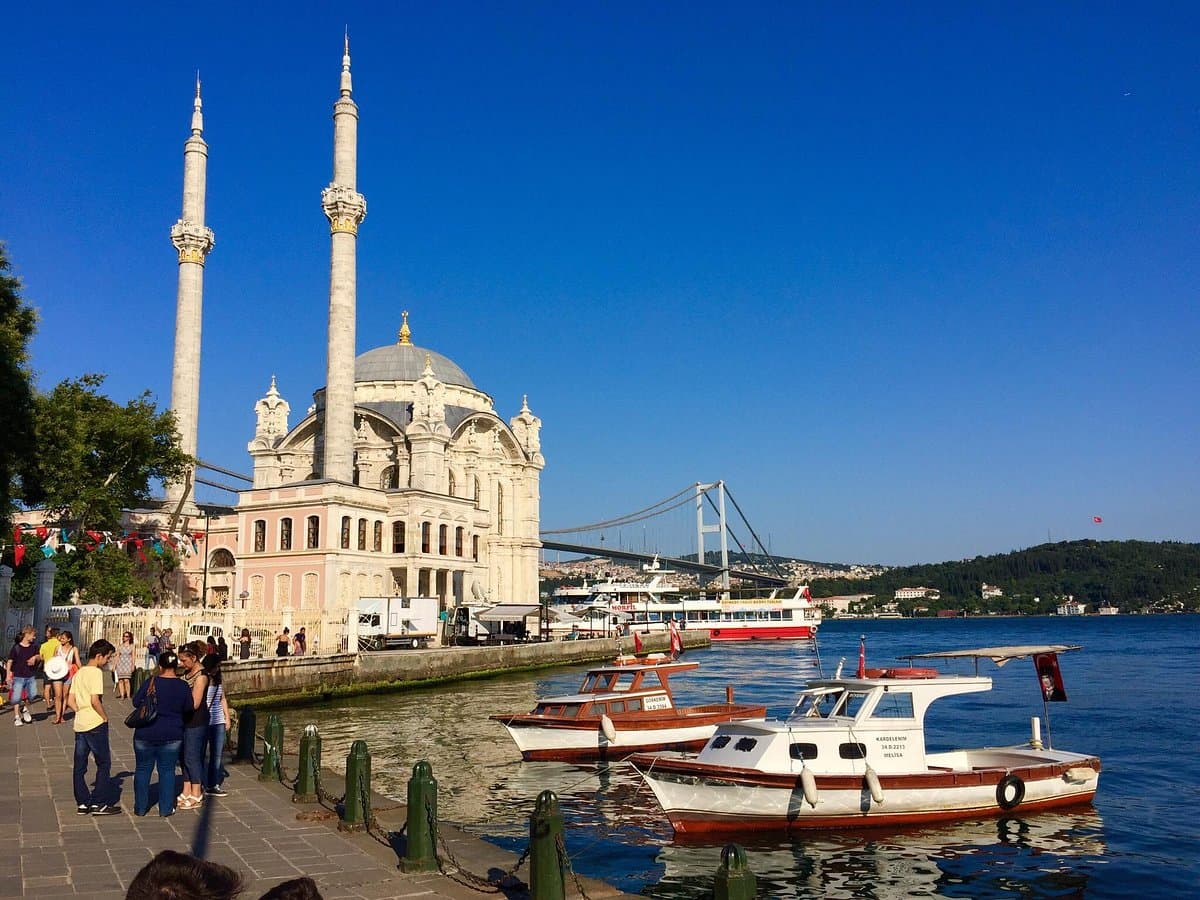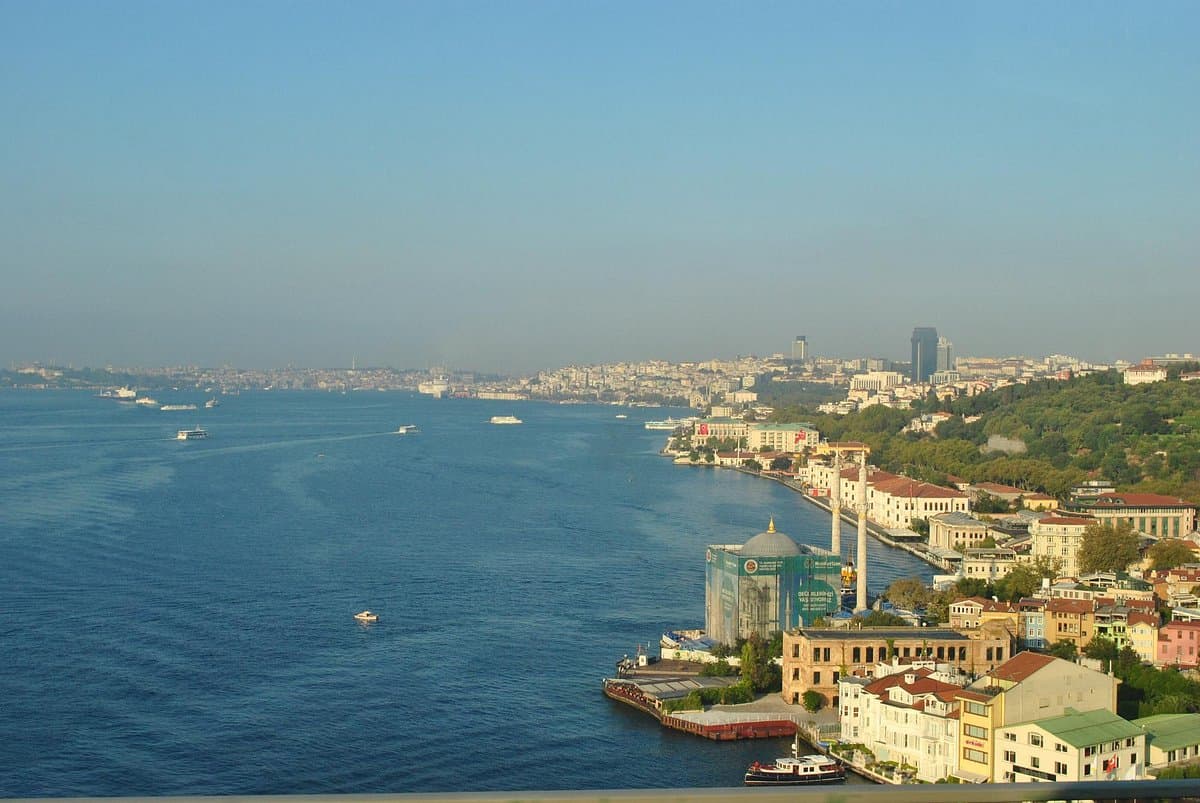
The Bosphorus Bridge, officially named the 15 July Martyrs Bridge (15 Temmuz Şehitler Köprüsü), is a monumental suspension bridge that serves as a powerful symbol of Istanbul's unique geographical and cultural position, literally linking the continents of Europe and Asia. Opened in 1973, it was the first bridge to span the Bosphorus Strait, a feat of engineering that transformed daily life and transportation in the city. Its presence is deeply woven into the fabric of Istanbul, representing the historical crossroads where East meets West.
Visitors frequently marvel at the bridge's sheer scale and its architectural elegance. Many describe it as an "engineering marvel" and an "iconic structure." The most popular way to experience the bridge is from the water, with numerous reviews highlighting Bosphorus cruises as the best vantage point. These cruises offer panoramic views, especially at sunset or night when the bridge is beautifully illuminated with colorful lights. Reviewers consistently recommend taking a boat trip to fully appreciate its grandeur and capture stunning photographs. Driving across the bridge is also a common experience, particularly for those traveling between Istanbul's European and Asian sides, with many noting the unique sensation of crossing continents in minutes.
For the best experience, consider a Bosphorus cruise during the late afternoon to witness both daylight and illuminated views. Many visitors suggest opting for smaller, more intimate boat tours over larger, crowded ones for a more personal experience. While the bridge itself is not walkable for general tourists (except during the annual Istanbul Marathon), you can enjoy excellent views from nearby areas like Ortaköy, where you can combine your visit with local cafes and restaurants. Allocate about 1-2 hours for a dedicated Bosphorus cruise that passes under the bridge, or simply enjoy its presence as part of your city exploration.
The Bosphorus Bridge is easily accessible as it's a major artery of Istanbul. While you cannot walk across it, you will likely cross it by car, taxi, or public bus if you travel between the European and Asian sides. Many Bosphorus cruises depart from popular piers like Eminönü or Karaköy, which are well-served by public transport, including trams and ferries. If driving, be aware that it is a toll bridge, and traffic can be heavy, especially during rush hours. Parking near viewpoints like Ortaköy can be challenging, so public transport or taxis are often recommended.
A common complaint among visitors is the inability to walk across the bridge, which many initially assume is possible. This can lead to disappointment for those hoping for a pedestrian experience. To mitigate this, plan to view the bridge from a boat or from designated viewpoints on either side, such as Ortaköy on the European side or Beylerbeyi on the Asian side. Be prepared for heavy traffic if driving, and consider using public transport or a Bosphorus cruise to avoid congestion and fully enjoy the scenery.