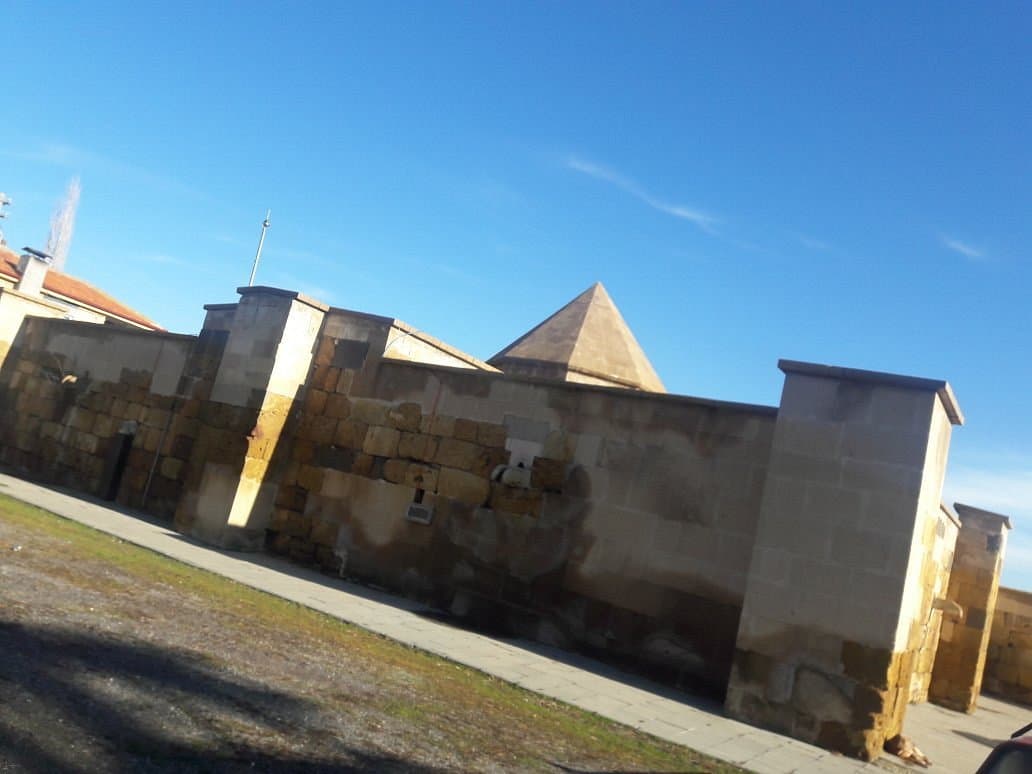
The Ishakli Kervansarayi is a historical caravanserai dating back to the Seljuk period, specifically the 13th century. These structures were vital along ancient trade routes, providing lodging, food, and security for merchants, travelers, and their animals. This particular caravanserai stands as a testament to the architectural prowess and strategic importance of the Seljuk Empire in Anatolia.
Visitors consistently praise the caravanserai for its impressive and well-preserved architecture, noting the intricate stonework and the sheer scale of the structure. Many reviewers highlight the sense of history and tranquility that pervades the site, offering a peaceful escape from modern life. However, several visitors mention its remote location and the lack of amenities or interpretive signage, which can make the visit feel somewhat isolated and less informative than other, more developed historical sites.
For a visit, plan to spend about 30-60 minutes exploring the caravanserai. It's best visited during daylight hours, as there is no artificial lighting. Bring your own water and snacks, as there are no facilities on site. Comfortable shoes are advisable for walking on uneven surfaces. This site is free to enter, making it a budget-friendly historical stop.
The Ishakli Kervansarayi is located in Sultandagi, a district within the Afyonkarahisar Province. Given its rural setting, reaching it typically requires a private vehicle. There is no direct public transportation mentioned in reviews. Visitors driving through the region can easily spot it from the main road. Parking is generally available directly adjacent to the site.
A common complaint among visitors is the lack of information or interpretive panels at the site, which can leave some feeling uninformed about its history and significance. To mitigate this, it is highly recommended to research the history of Seljuk caravanserais and the Ishakli Kervansarayi specifically before your visit. This preparation will enhance your appreciation of the architecture and its historical context.