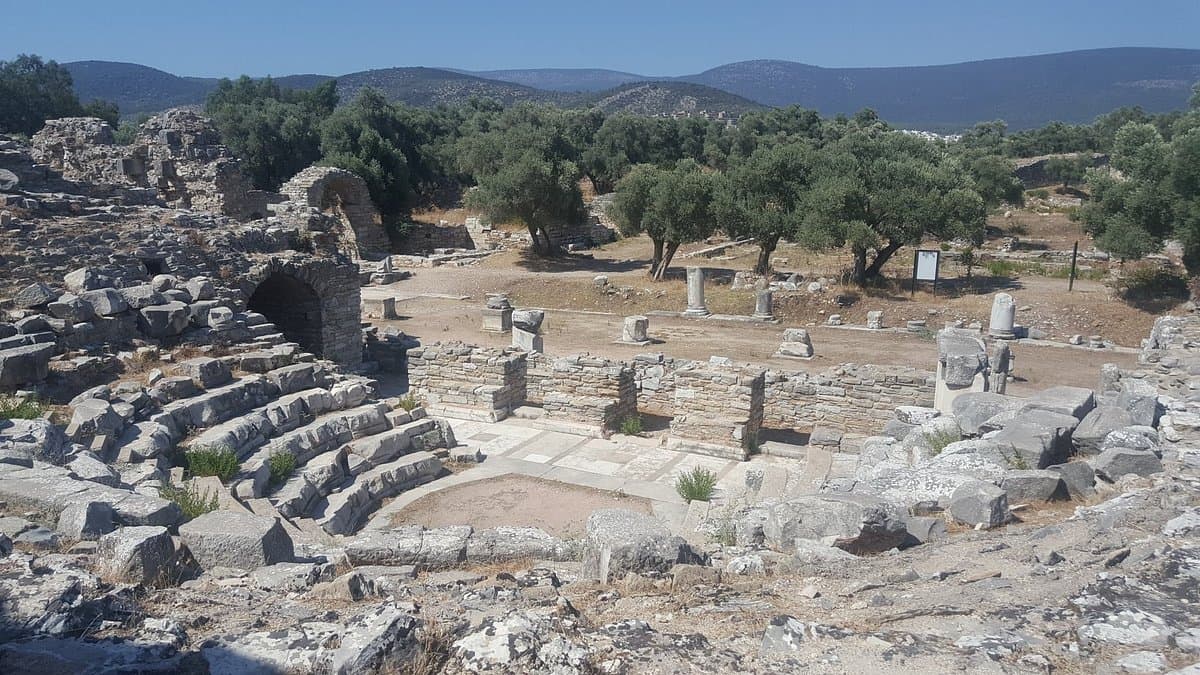
Iasos Ancient City, situated on a promontory near the seaside village of Kıyıkışlacık, is a significant archaeological site with a rich history spanning from the Bronze Age through Roman and Byzantine periods. Originally a Carian port, its strategic location led to numerous invasions, leaving behind layers of fascinating ruins including an agora, theater, and council building. The site offers a unique opportunity to connect with ancient history in a serene, coastal setting.
Visitors consistently praise the tranquil atmosphere and the sense of stepping back in time. Many reviewers highlight the spectacular views, especially from the castle on the hill, which provides a panoramic perspective of the ruins and the surrounding bay. The ongoing excavations mean there's always something new to discover, and the site feels less commercialized than other major attractions. However, some visitors note that interpretation signs can be faded or non-existent in parts, requiring a bit of imagination or prior research to fully appreciate the ruins.
To make the most of your visit, allocate about 1-2 hours for exploration. Wear comfortable shoes, as you'll be walking over uneven terrain. Bringing your own water and snacks is advisable, as facilities like cafes are scarce or non-existent on-site. The best time to visit is during cooler months or early mornings/late afternoons to avoid the midday heat. Consider visiting the nearby Kıyıkışlacık village for refreshments and a meal, particularly fresh fish, after exploring the ruins.
Reaching Iasos can be a bit of an adventure. Several visitors mention taking a dolmuş (shared minibus) from Milas, which can be a long trip. If coming from Bodrum, arranging a driver and car is a viable option, often combined with visits to other nearby sites like Labranda and Euromos. For those driving, the site is located west of the Milas-Söke road. If using public transport, ask the dolmuş driver to drop you at the junction for Kıyıkışlacık, and then take a local dolmuş into the village. Parking is available near the harbor car park in the village, from where you can walk to the main site entrance.
A common complaint is the lack of modern facilities and clear signage. To mitigate this, download a guide or research the site beforehand. While the sea in the port area might appear dirty, the overall natural beauty and historical significance of the site generally outweigh this minor drawback for most visitors.