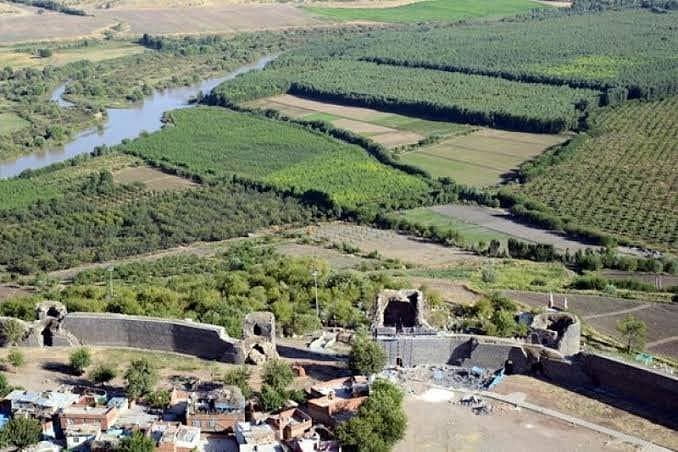
Hevsel Gardens are an ancient agricultural landscape spanning 700 hectares between the Diyarbakır Fortress and the Tigris River. This UNESCO World Heritage site has been cultivated for over 8,000 years, making it a living testament to human interaction with nature and a crucial food source for the city throughout its long history. Its strategic location and continuous use underscore its profound cultural and historical importance.
Visitors consistently praise the gardens for their natural beauty and the opportunity for peaceful, extended walks. Many enjoy the serene atmosphere and the chance to connect with a site that has witnessed over 30 civilizations. The proximity to the Tigris River is a major draw, offering picturesque views and a refreshing escape from the urban environment. Reviewers often highlight the potential for long hikes, with some groups spending 4-5 hours exploring the area. However, some visitors express disappointment regarding the upkeep, noting occasional litter, particularly at certain stops along the paths. This can detract from the overall experience for those expecting pristine natural conditions.
To make the most of your visit, wear comfortable walking shoes and bring plenty of water, especially during warmer months. Sun protection like hats and sunscreen is also advisable. The best time to visit is during the cooler parts of the day, such as early morning or late afternoon, to avoid the intense heat, particularly in summer when temperatures can reach 43°C. While the gardens offer extensive walking paths, visitors recommend focusing on areas closer to the river for the most scenic views and a more pleasant experience. There are no specific entry fees, making it a budget-friendly activity.
Hevsel Gardens are located directly between Diyarbakır Castle and the Tigris River valley. Given its location within the city, it is generally accessible. Visitors can likely reach the gardens by local public transport to the vicinity of Diyarbakır Castle, followed by a short walk. Taxis are also a convenient option for direct access. Parking information is not widely available in reviews, suggesting public transport or taxi might be preferable.
The primary complaint among visitors is the presence of litter in some sections of the gardens. To mitigate this, consider focusing your exploration on the more well-maintained areas, particularly those closer to the main historical sites or the riverbanks. While the sheer size of the gardens means not every corner can be perfectly pristine, the natural beauty and historical significance still offer a rewarding experience for those prepared for a more rustic environment.