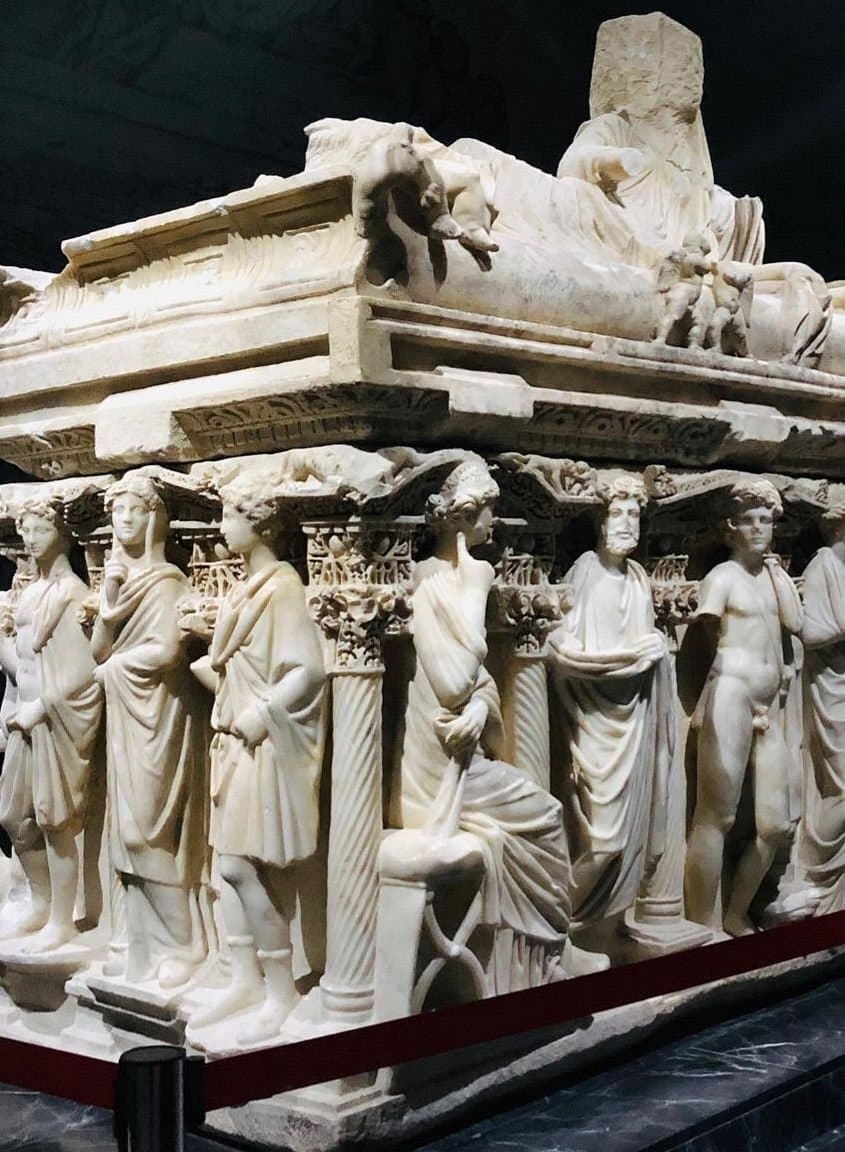
The Hatay Archeology Museum stands as a beacon of ancient history, primarily celebrated for its unparalleled collection of Roman and Byzantine mosaics, many of which were discovered locally. Opened in 2014 in a new, purpose-built facility, it replaced an older, smaller museum, allowing for a much grander and more comprehensive display of artifacts. It is often cited as having one of the largest mosaic collections globally, rivaling even the Zeugma Mosaic Museum in Gaziantep and museums in Tunisia. Beyond mosaics, the museum showcases a vast array of archaeological finds spanning from the Paleolithic era through the Hittite, Hellenistic, Roman, and Byzantine periods, offering a deep dive into the historical layers of Antakya (ancient Antioch) and its surrounding region.
Visitors consistently laud the museum's modern architecture, spacious layout, and excellent curation. The mosaics are a particular highlight, with many reviewers describing them as breathtaking, incredibly well-preserved, and offering vivid insights into ancient life. The sheer scale and variety of the mosaics, along with other significant artifacts like the statue of King Suppiluliuma and various sarcophagi, frequently impress. Reviewers appreciate the clear English and Turkish captions, which provide valuable context for each exhibit. The museum's design, including elevated walkways for viewing floor mosaics from different angles, also receives positive feedback.
To make the most of your visit, plan to spend at least 2-3 hours, with many recommending half a day or even more for history enthusiasts. Arriving in the morning is advisable, as some visitors reported security staff beginning to close sections or switch off lights shortly before the official closing time. The museum is generally wheelchair-friendly and includes amenities like a cafe and a museum shop. Consider purchasing a multi-ticket if you plan to visit other museums in Antakya. An audio guide is recommended by some to enhance the experience. Don't miss the introductory 3D video (even if viewed in 2D due to equipment issues, as noted by some) which provides an excellent historical overview.
The museum is located approximately 3 km from Antakya city center. While some adventurous visitors have walked, describing it as a 45-minute to an hour stroll through an industrial area, most recommend taking a taxi or using public transport for convenience. Reviewers mention easy accessibility by tram, though specific tram lines are not detailed. For those driving, parking is generally not an issue. Be aware that Google Maps might sometimes direct you to the old city museum instead of the new archeology museum, so confirm the address: Maşuklu Mahallesi Atatürk Caddesi, Antakya.
A common complaint, though infrequent, relates to the museum's closing procedures, with some visitors feeling rushed out before the official closing time. To mitigate this, aim to arrive well before the last hour of operation. Another minor point raised by a few is that while the mosaic collection is vast, some felt the reassembly of certain mosaics could be improved, or wished for more exhibits specifically detailing the Christian history of the area, which is better explored in local churches.