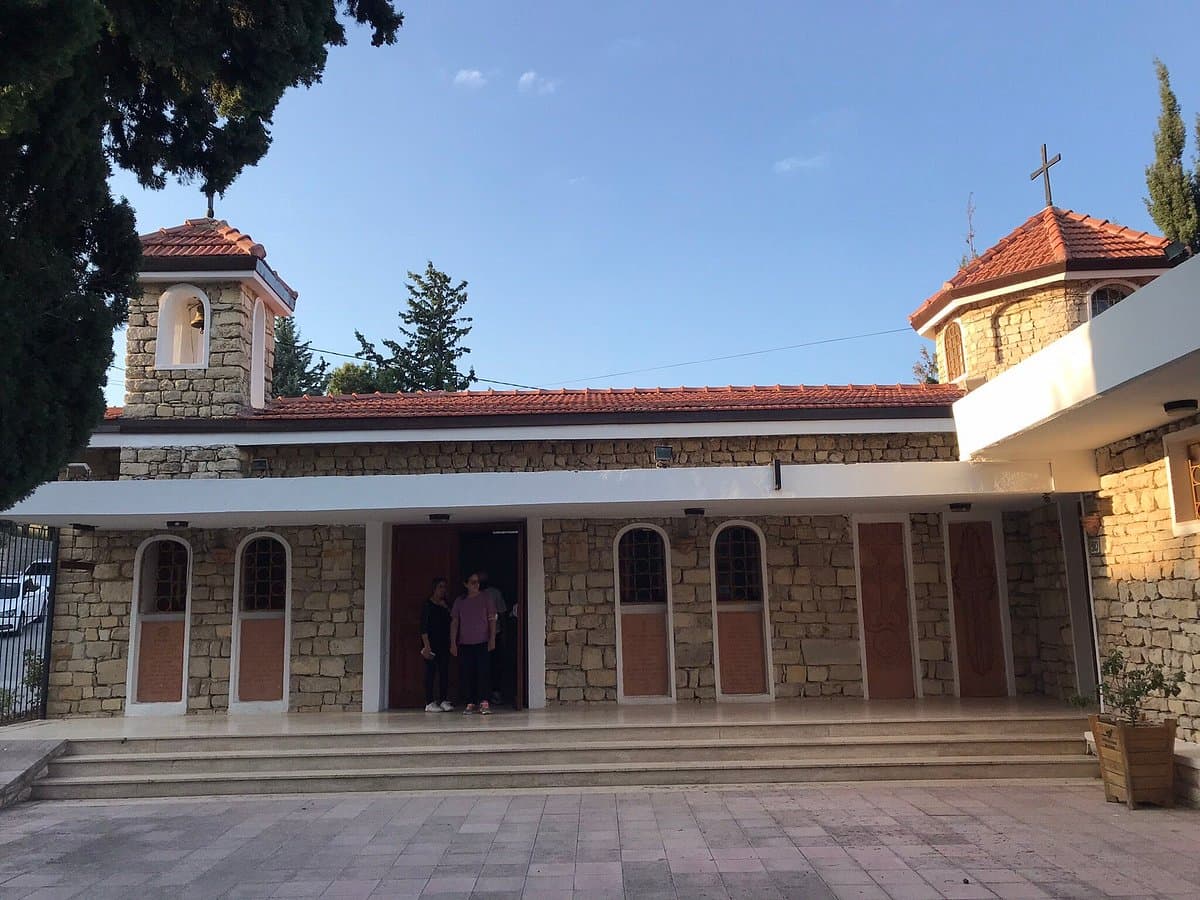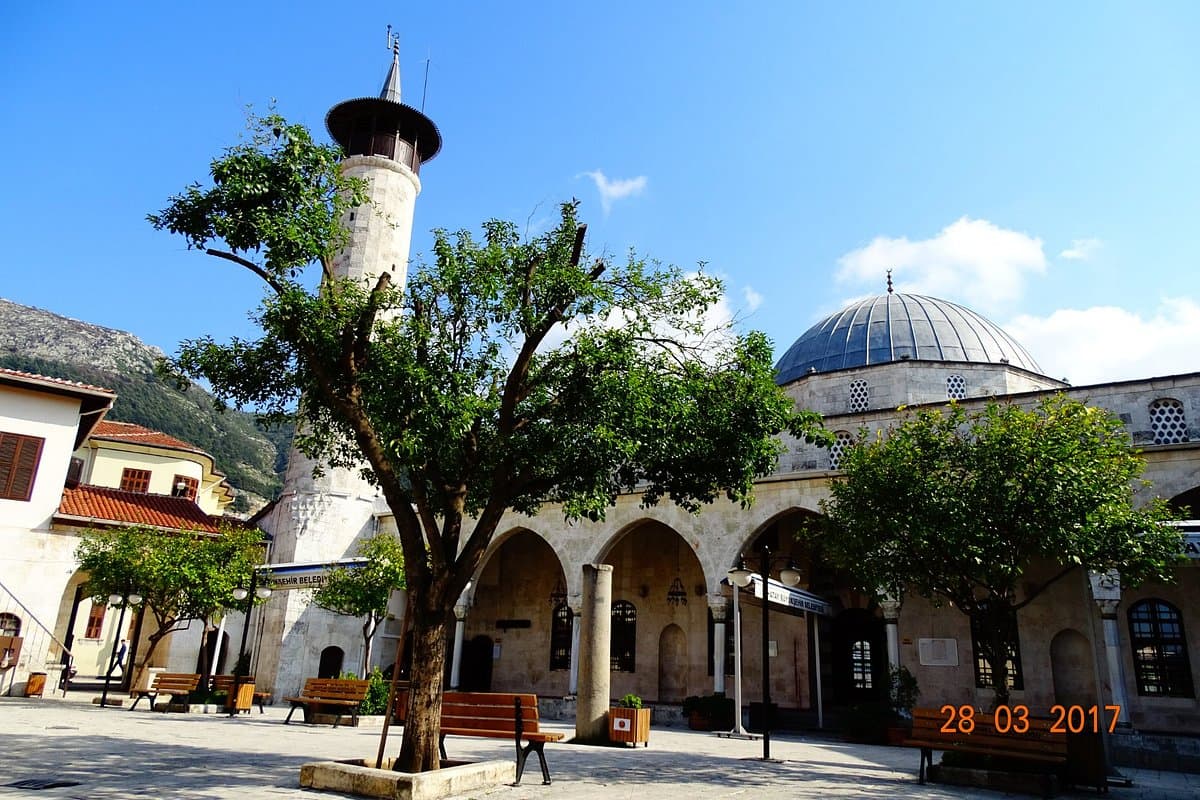
The Habibi Neccar Mosque is a historically significant site in Antakya, revered as one of the oldest mosques in Anatolia. Its importance stems not only from its age but also from its unique narrative, which intertwines early Islamic history with Christian tradition. The mosque is named after Habibi Neccar, a carpenter believed to be an early convert to Christianity who was martyred. This site is a testament to Antakya's long history as a melting pot of cultures and religions, embodying a spirit of tolerance that visitors frequently highlight.
Visitors consistently praise the mosque for its serene and peaceful atmosphere, making it a spiritual experience for many, regardless of their faith. The interior, though not lavish, is described as beautiful, with well-maintained painted ceilings and walls. Many reviewers find the historical context, particularly the presence of tombs attributed to early Christian figures like St. John and St. Paul, along with Habibi Neccar himself, to be profoundly moving and thought-provoking. This blend of narratives often leads to a sense of shared heritage and curiosity among those who visit.
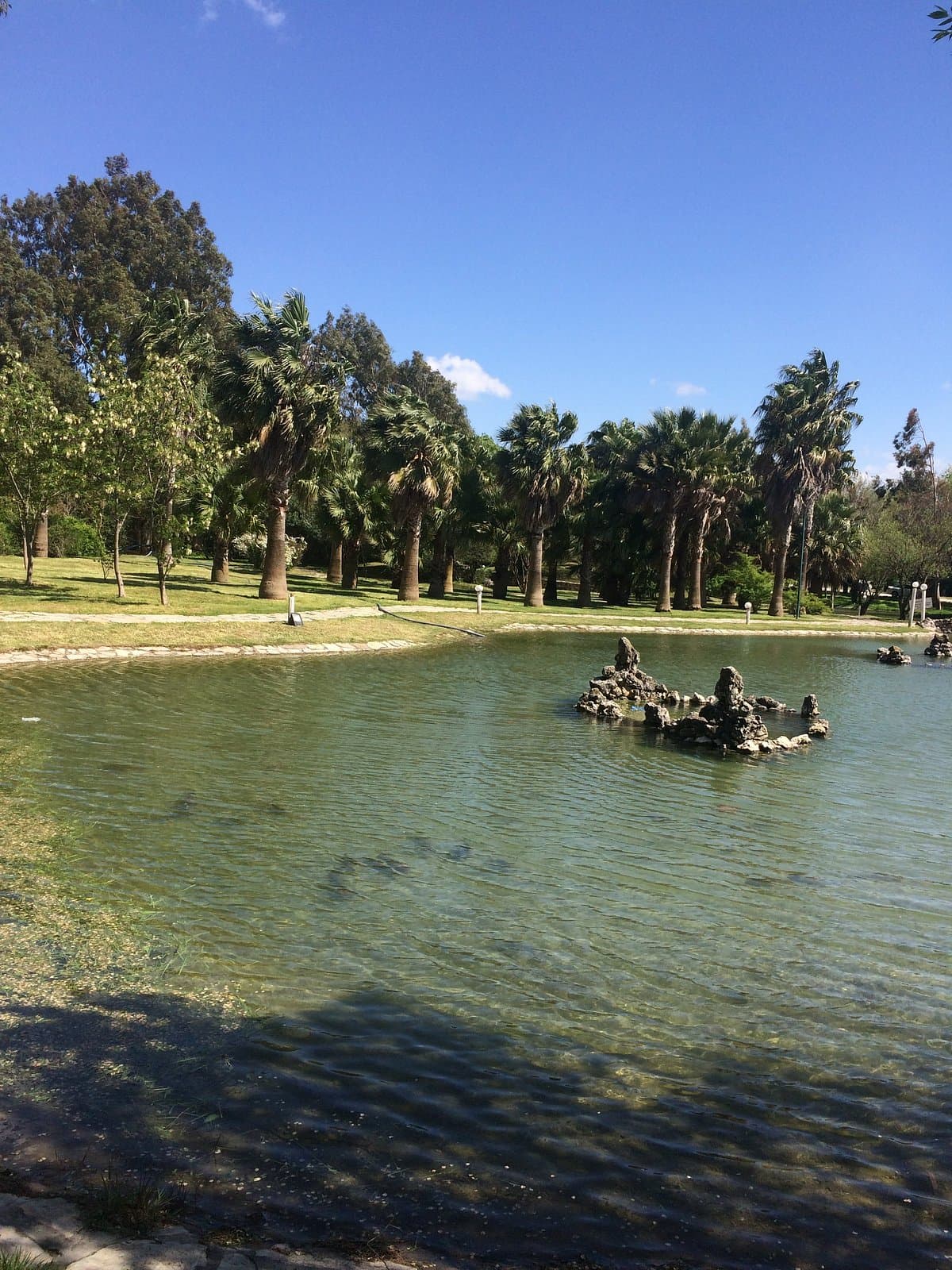
To fully appreciate the site, visitors recommend reading about the story of Habibi Neccar and the alleged Christian disciples before or during your visit. This enriches the experience significantly. While the mosque itself is relatively small, many suggest spending at least an hour to explore the interior, the courtyard, and the tombs in the basement. It's a place for reflection rather than a quick photo stop. The mosque is well-maintained, and daily prayers are held, so visitors should dress respectfully, covering shoulders and knees, and women should bring a headscarf. There is a café next to the mosque and a nice garden area within the complex, offering a pleasant spot for a short break.
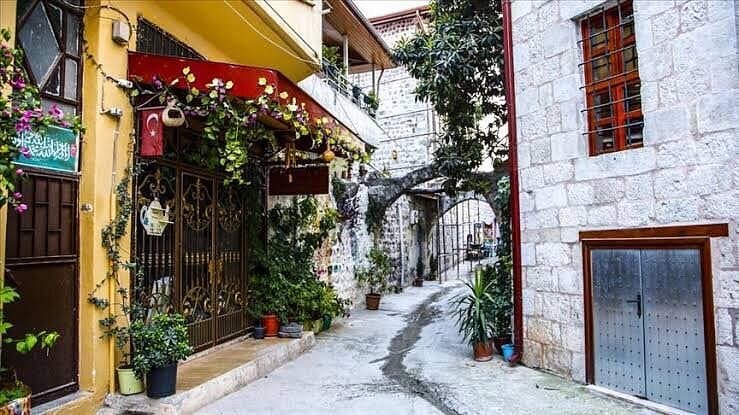
The mosque is centrally located on Kurtuluş Street, making it easily accessible. Visitors mention it can be reached by car, walking, or public transportation. Its central position means it's often part of a wider exploration of Antakya's old city. Parking might be challenging in the immediate vicinity due to the busy street, so public transport or walking from nearby areas is often a more convenient option.
A common point of confusion for visitors is the complex historical narrative surrounding the tombs and the transition from a pre-Islamic church to a mosque. Reviewers suggest that while the stories can be confusing, embracing the layered history adds to the site's intrigue rather than detracting from it. Some visitors, particularly those accustomed to grander mosques, might find its architecture less striking, but its historical and spiritual significance is what truly sets it apart. It's not about architectural grandeur but about the profound stories it holds.