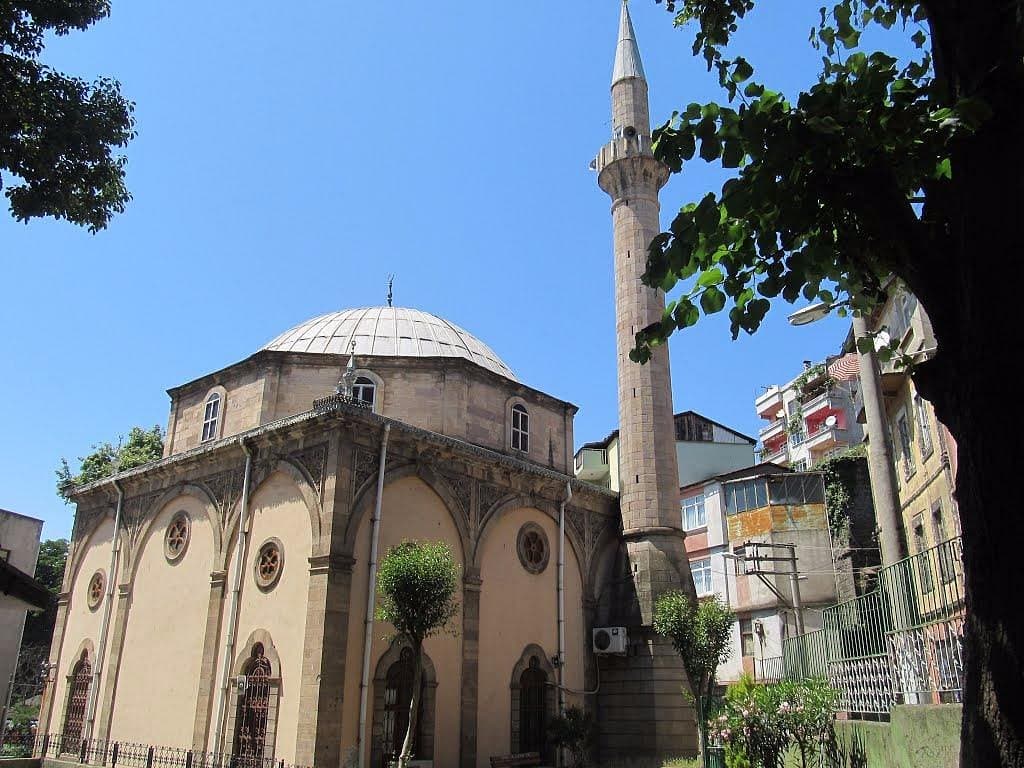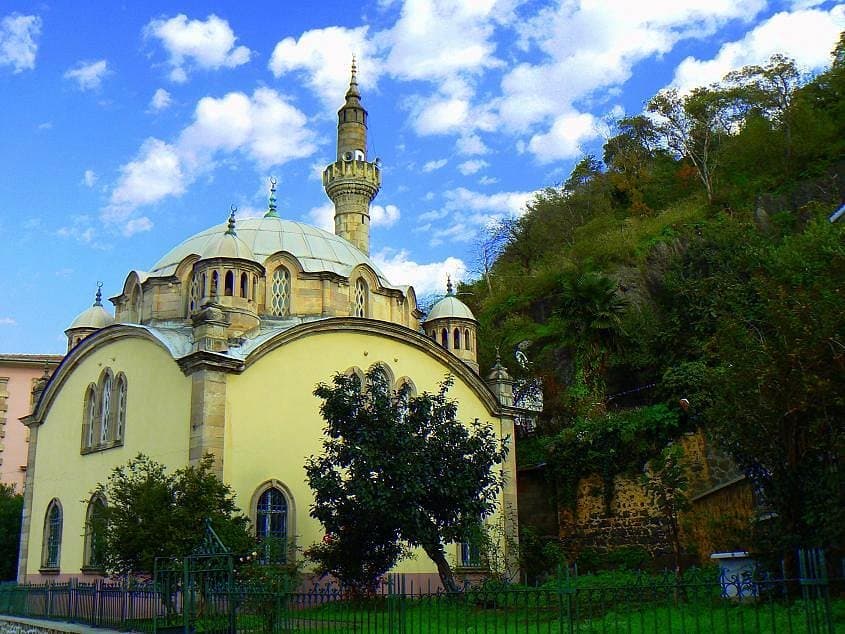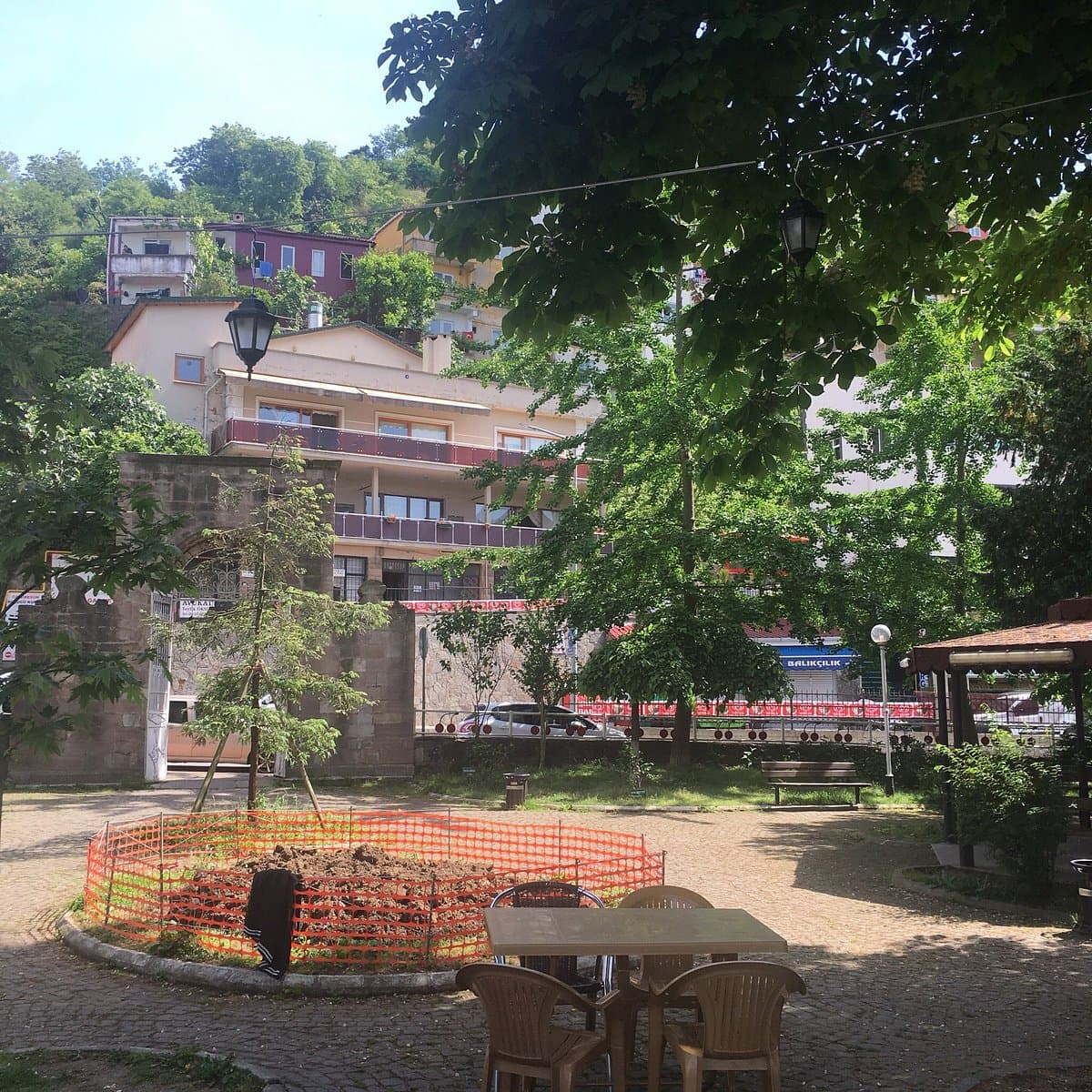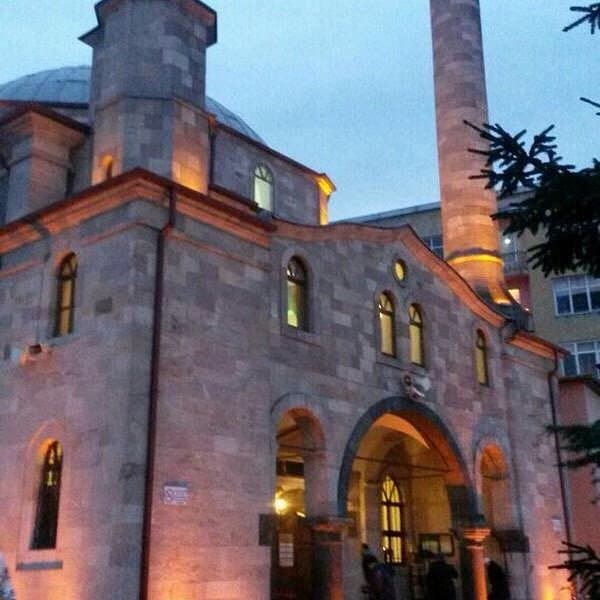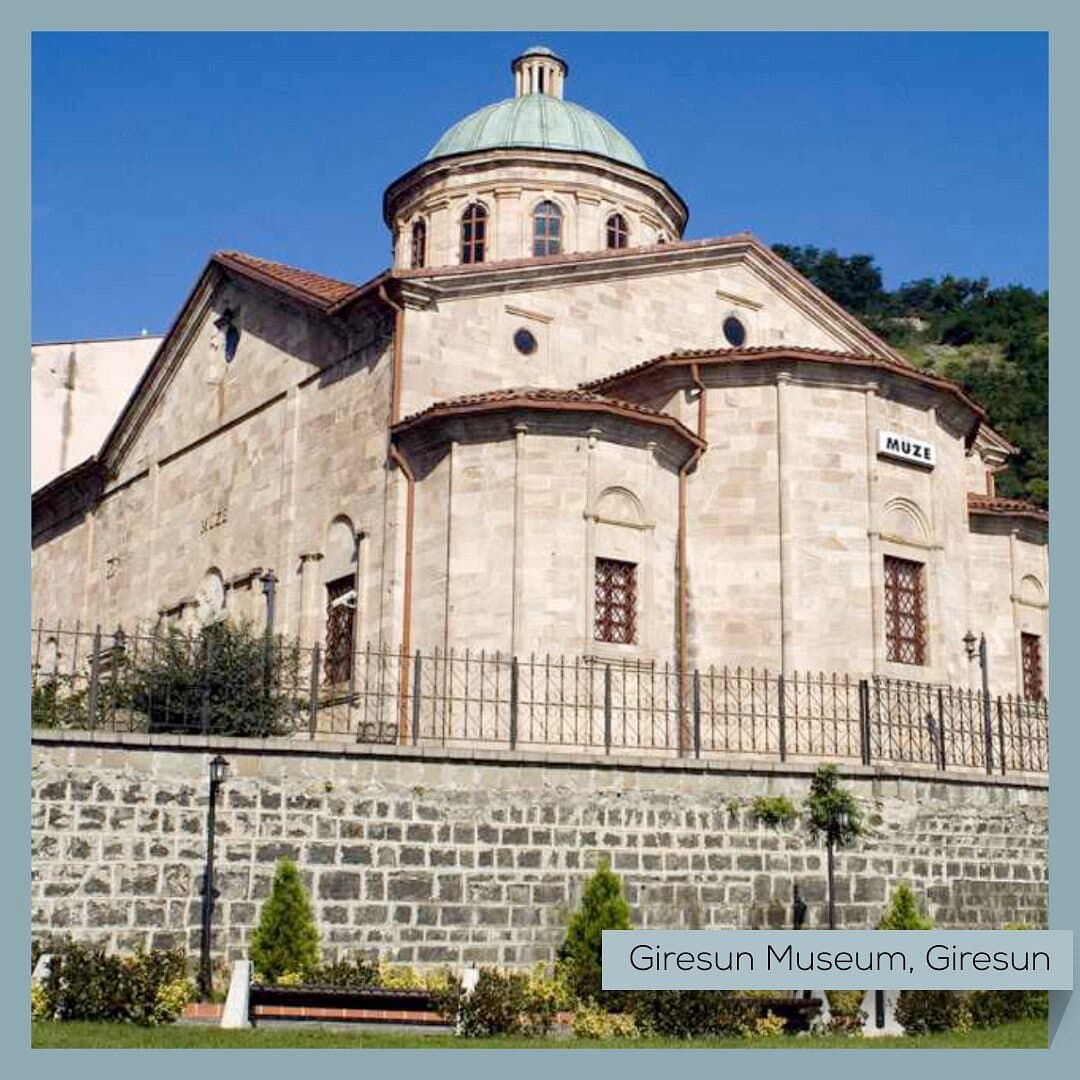
The Giresun Museum is housed in a former 18th-century Orthodox Greek church, later converted into a mosque and then a museum. This unique setting, a basilica with a dome, provides a distinctive atmosphere for its collections. The museum serves as a repository for the region's rich history, showcasing artifacts that span various periods from ancient times through the Ottoman era, including recent finds from the excavations of Giresun Island.
Visitors consistently praise the museum for its interesting collection, which includes pottery, jewelry, clothing, cooking items, and a particularly good numismatics collection featuring coins from classical to modern periods. Many reviewers highlight the poignant Greek language gravestones from the 19th and early 20th centuries as a notable exhibit. The cellar, described as nicely restored, also contains additional items worth exploring. While some English translations are available, most visitors find the exhibits largely self-explanatory.
For a fulfilling visit, allocate about 20 minutes to an hour. The museum is small, making it an ideal stop if you're passing through Giresun or have some spare time. It's best visited during daylight hours to appreciate the architecture and exhibits fully. Consider combining your visit with nearby attractions like the Giresun Castle, which is close by. Some visitors mention a small entrance fee, so it's advisable to have some local currency on hand.
The museum is conveniently located on Atatürk Boulevard, near the sea and not far from Zeytinlik. Its central location in Giresun Merkez makes it easily accessible. While specific public transport details aren't frequently mentioned in reviews, its position on a main boulevard suggests it's well-served by local transport options or easily reachable by foot from the city center.
A common sentiment among reviewers is that while the museum is interesting, it's not a "must-see" destination unless you are a dedicated museum enthusiast or have a particular interest in local history. Some visitors express a slight discomfort with a former church being used as a museum. To mitigate this, approach the visit with an open mind, focusing on the historical preservation and the diverse artifacts on display rather than its past religious function.