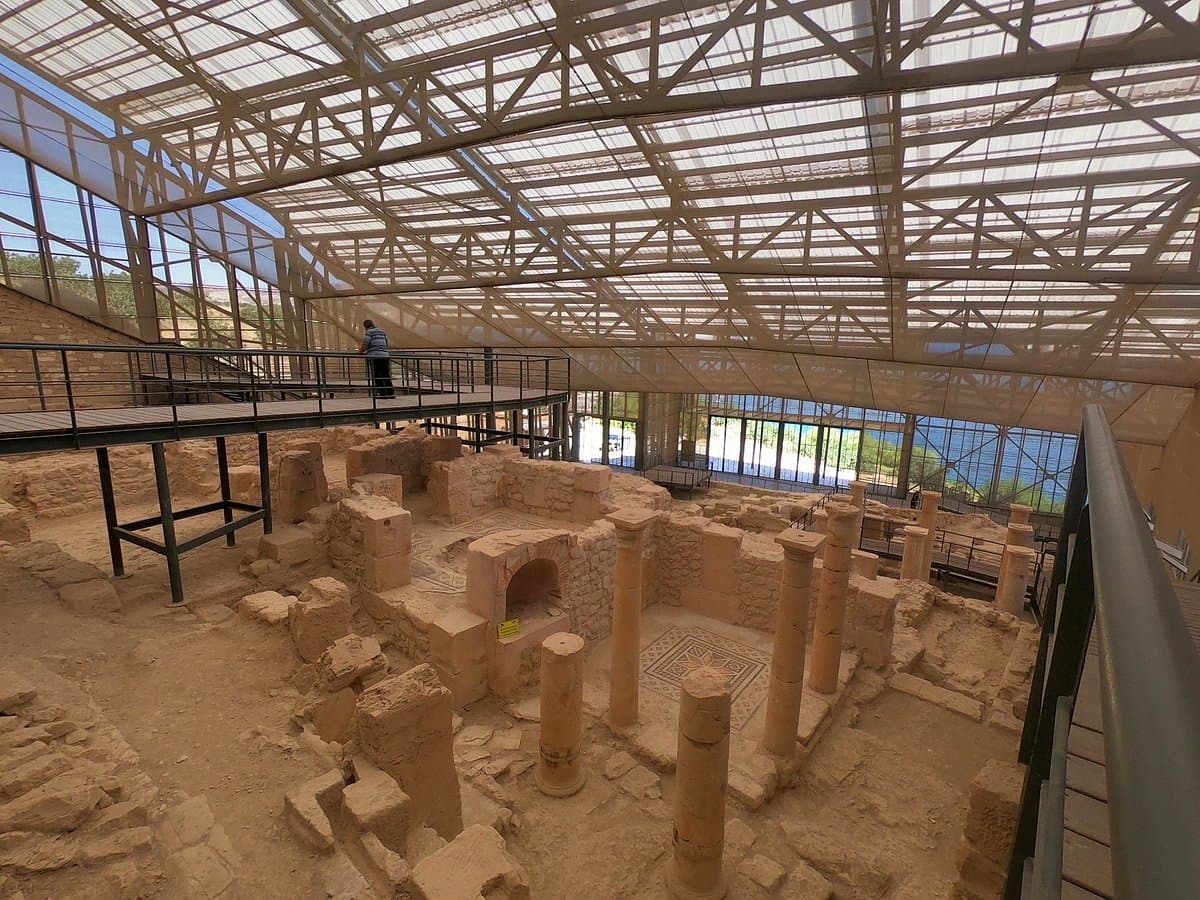
Zeugma Belkıs Ancient City is an archaeological site located on the west bank of the Euphrates River, near Gaziantep. Once a significant Roman city, it played a crucial role in the region due to its strategic location. Much of the original city was submerged after the construction of the Birecik Dam, but the remaining 30% offers a fascinating window into ancient urban life, engineering, and art.
Visitors consistently praise the impressive views of the Euphrates and the historical depth of the site. Reviewers highlight the opportunity to see an active archaeological dig, which provides a unique perspective compared to museum exhibits. The quality of the remaining mosaics, though fewer than those in the museum, is frequently mentioned as a draw, offering a more authentic, in-situ experience. The ancient water pipe system also captures the interest of many.
To make the most of your visit, allocate approximately 2-3 hours. It is highly recommended to visit the Zeugma Mosaic Museum in Gaziantep first, as it houses the most spectacular mosaics rescued from this site and provides essential context. The site is best explored in the cooler parts of the day, either early morning or late afternoon, especially during warmer months. Bring water, comfortable walking shoes, and sun protection, as the site is largely exposed. Parking is available and often free, and the facilities, including restrooms, are noted as clean.
The site is a bit out of the way, making a car or taxi the most practical way to get there from Gaziantep. Several reviewers describe it as an easy day trip from the city. Public transport options are not widely mentioned in reviews, suggesting they may be limited or inconvenient. If driving, look for the designated parking area. The site is accessible and suitable for families.
A common complaint is that a significant portion of the city is submerged, which can lead to a sense of incompleteness for those expecting a fully preserved ancient city. However, visitors generally agree that the remaining parts, particularly the mosaics and the ongoing excavation work, still make it a worthwhile visit, especially when paired with the museum experience.