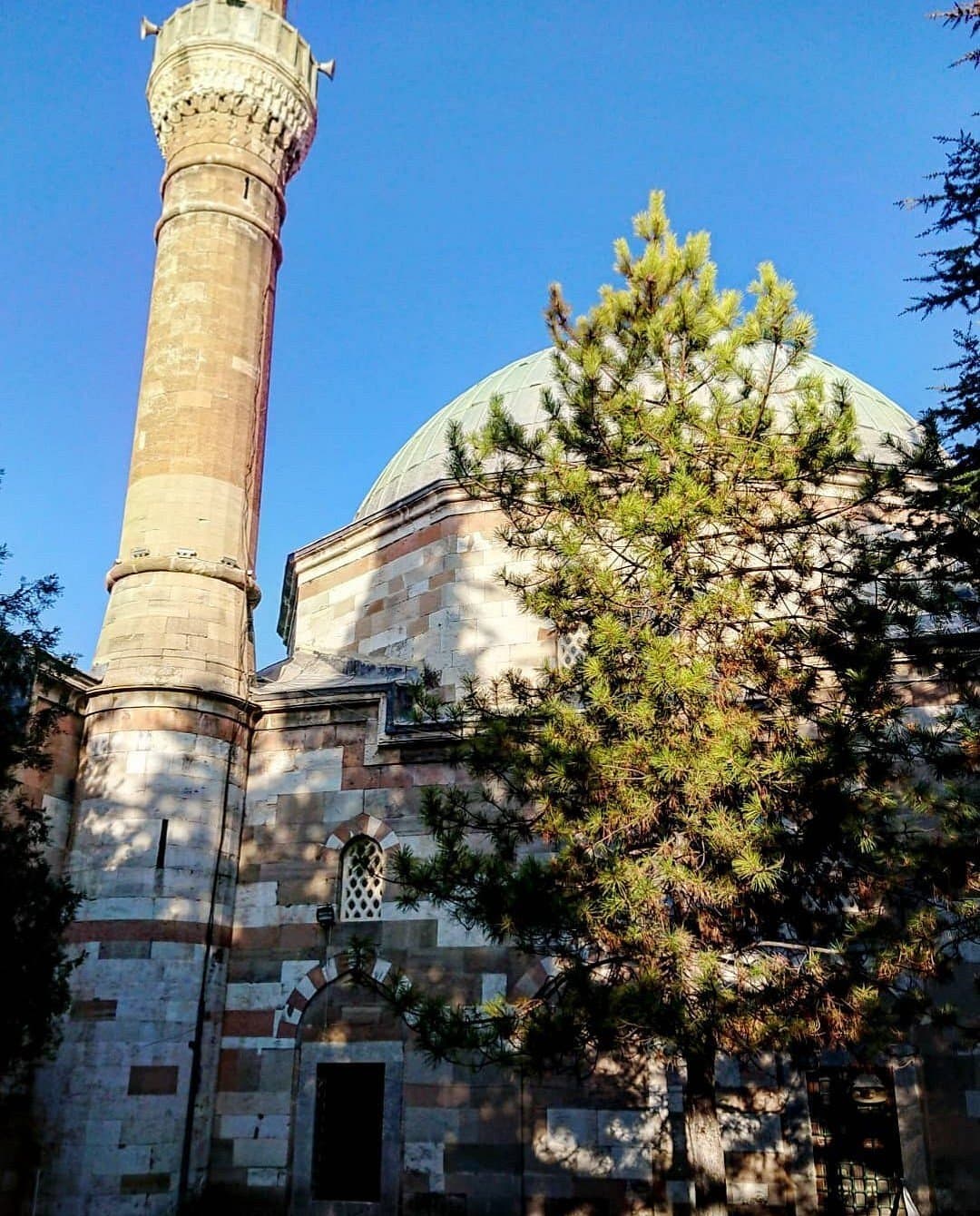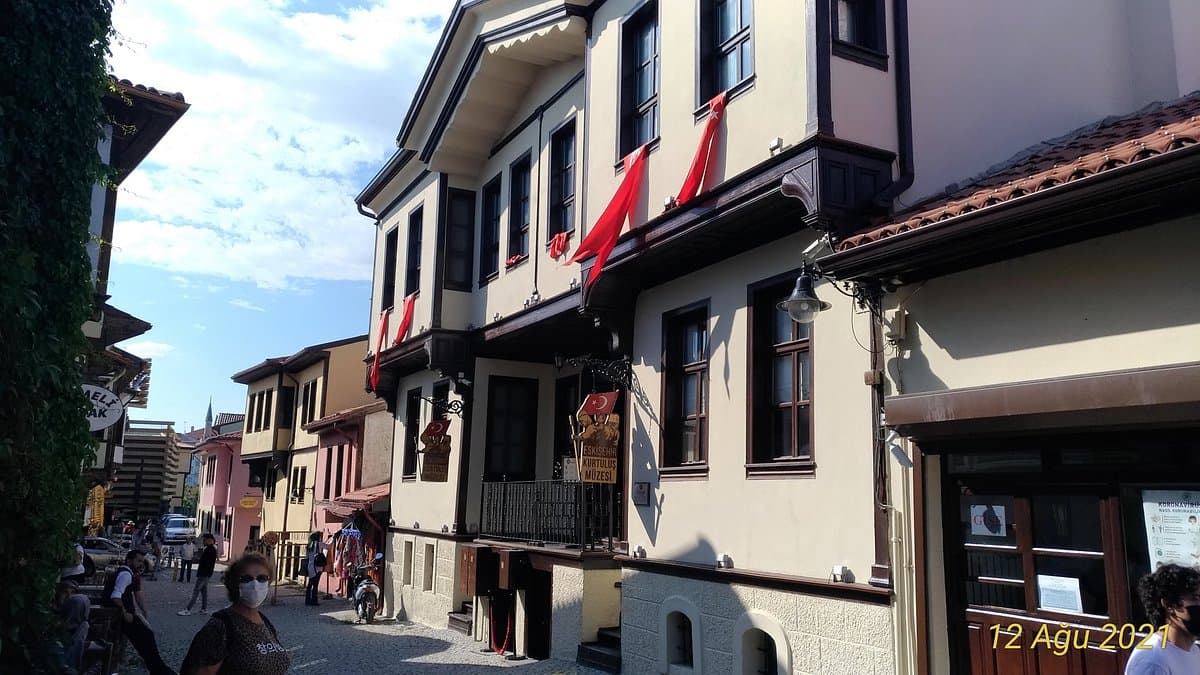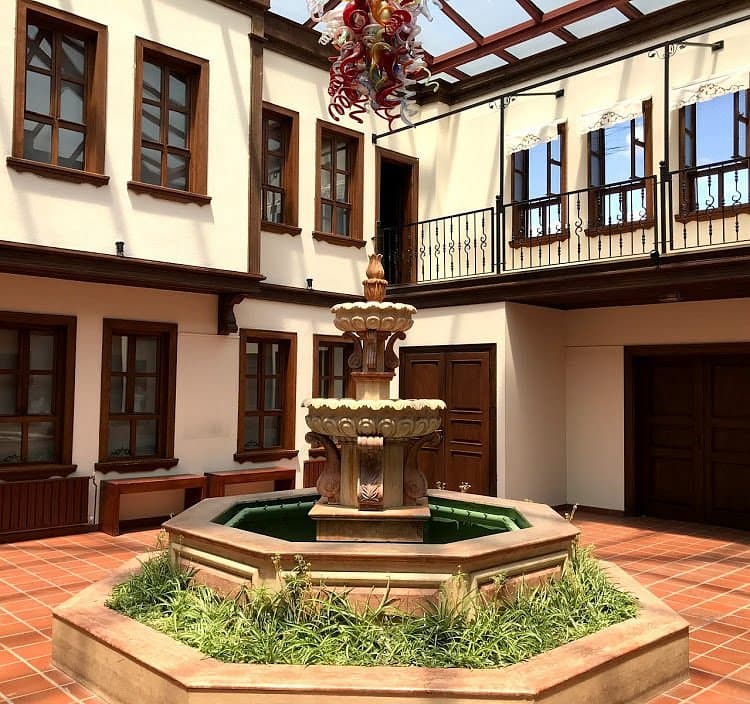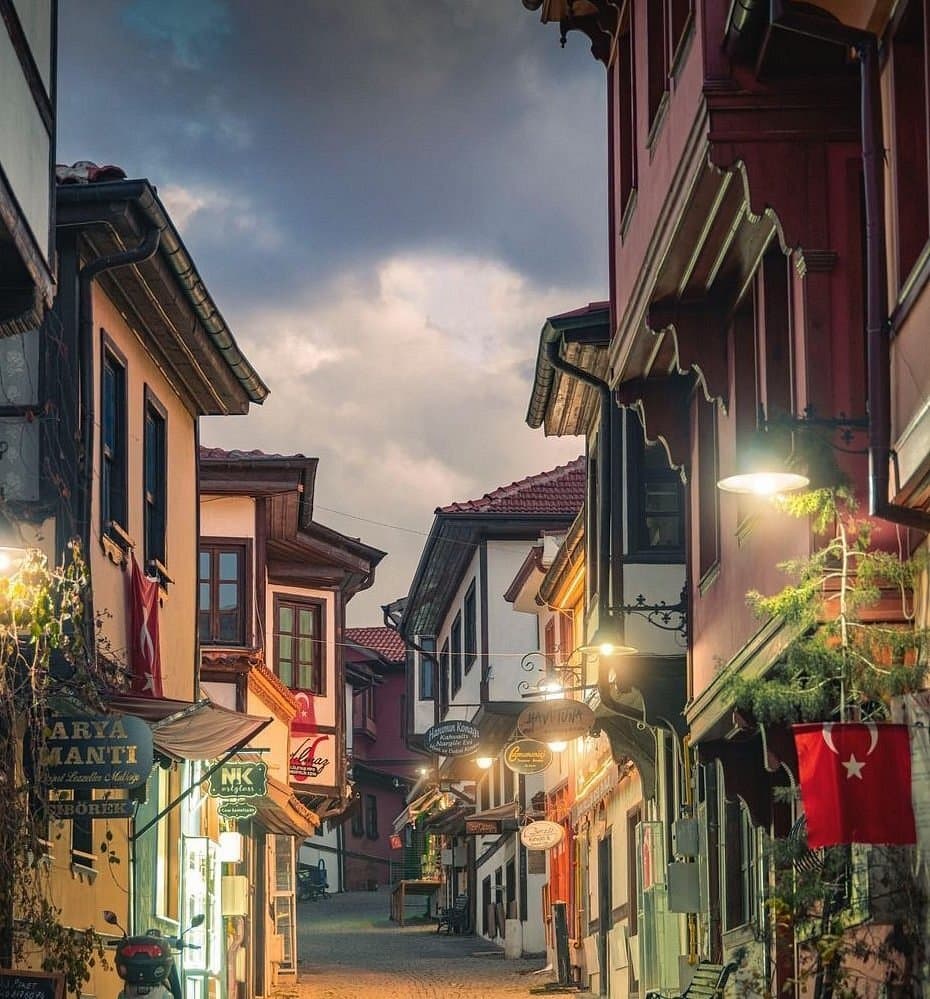
Odunpazarı Houses, located in the oldest settlement of Eskişehir, represent a meticulously preserved and revitalized district showcasing traditional Anatolian Turkish and Ottoman-era architecture. This area is not merely a collection of old buildings; it's a living museum that offers a vibrant window into the city's rich history and cultural heritage, making it a significant attraction for anyone visiting Eskişehir.
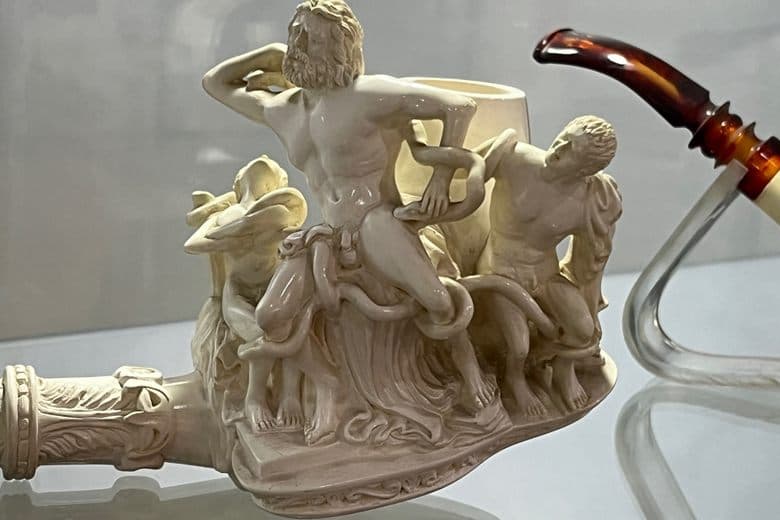
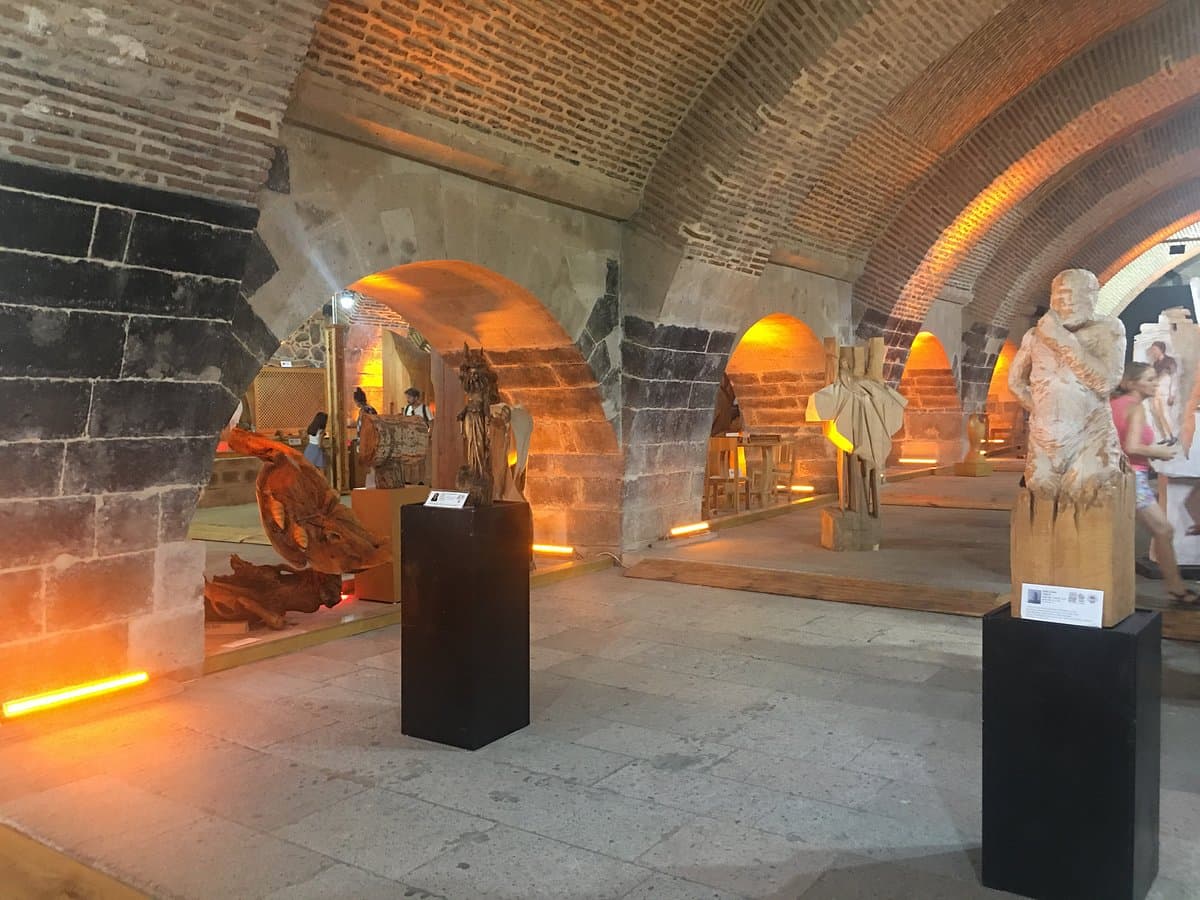
Visitors consistently praise the area's colorful, beautifully restored houses and immaculately clean alleyways, which create a charming and photogenic atmosphere. Many reviewers highlight the abundance of museums, with several being free, and the welcoming nature of local artisans. The district is also noted for its numerous cafes, restaurants serving traditional food like "çiğ börek," and a wide array of souvenir shops, particularly those selling handmade glass items and meerschaum products. The overall vibe is described as calm, quaint, and very enjoyable for strolling and exploring.
To make the most of your visit, plan to spend at least 3-4 hours, or even a full day, as there's a lot to see and do. Many museums are concentrated here, so prioritize those that interest you most. Reviewers suggest visiting in the afternoon, especially during summer, for more pleasant weather. Don't miss trying the local specialty, "çiğ börek," and consider purchasing handmade souvenirs directly from artisans. While the area is generally clean, some visitors feel there are too many souvenir shops, detracting slightly from the historical ambiance. To mitigate this, focus on the smaller, more authentic artisan workshops.
Odunpazarı is easily accessible from various parts of Eskişehir. Many visitors mention using the tram or metro bus, which costs around 3 TL, or a taxi for about 25 TL from the bus station. For those driving, there are affordable flat parking lots available. The area is very walkable once you arrive, with many streets to explore on foot. Some reviewers noted difficulty finding bus or tram information to the area via Google Maps, so it's advisable to ask locals or use a local transport app.
While the district is widely loved, a few visitors express concern that the historical texture might be overshadowed by the commercialization, with too many gift shops making it feel like a bazaar. To counter this, seek out the less crowded side streets and focus on the architectural details and the smaller, more unique artisan workshops rather than the main souvenir thoroughfares. Some also found it less lively than expected, especially outside peak tourist times, so visiting during weekends or local events might offer a more vibrant experience.