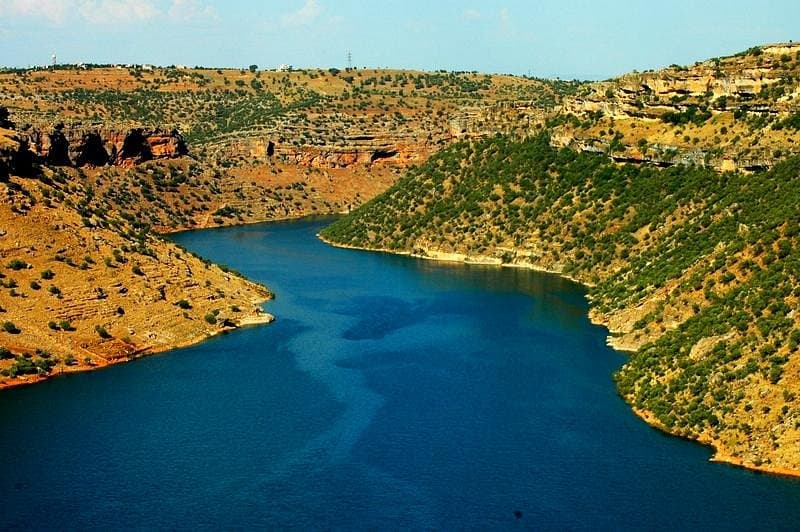
The Tigris River, known locally as Dicle Nehri, is one of the two great rivers that defined Mesopotamia, the cradle of civilization. Its banks have witnessed millennia of human history, from ancient Sumerian cities to the rise and fall of empires. For visitors to Diyarbakır, seeing the Tigris offers a profound connection to this deep past, allowing one to stand where countless generations have stood before.
Many visitors are drawn by the sheer historical significance, recalling childhood lessons about Mesopotamia. The river's enduring flow, despite centuries of change, evokes a sense of timelessness. Reviewers particularly enjoy the unique experience of dining at riverside restaurants, where tables and chairs are sometimes placed directly in the water, providing a natural cooling system during hot weather. This offers a refreshing escape and a memorable local experience.
However, some visitors express disappointment regarding the river's cleanliness, noting visible rubbish. While the historical context is undeniable, the immediate landscape might not be as picturesque as some expect, lacking dramatic natural features. To make the most of your visit, focus on the historical contemplation rather than expecting pristine natural beauty. Consider bringing a blanket if you plan to relax by the river, as some establishments can provide them for comfort. An hour or two is generally sufficient to appreciate the view and historical context, especially if combined with a meal.
The Tigris River can be viewed from various points in and around Diyarbakır. Many visitors see it en route to the city or from the historic Diyarbakır city walls, which offer panoramic views. For a closer experience, head to the areas with riverside restaurants, which are typically accessible by local transport or a short taxi ride from the city center. While specific public transport lines aren't consistently mentioned, local buses and dolmuş (shared taxis) are common ways to navigate Diyarbakır.
The primary complaint revolves around the river's pollution. To mitigate this, manage expectations regarding pristine natural beauty and focus on the historical significance. Choosing a riverside restaurant with good reviews can enhance the experience, as these often provide a more curated and pleasant environment despite the broader issues.