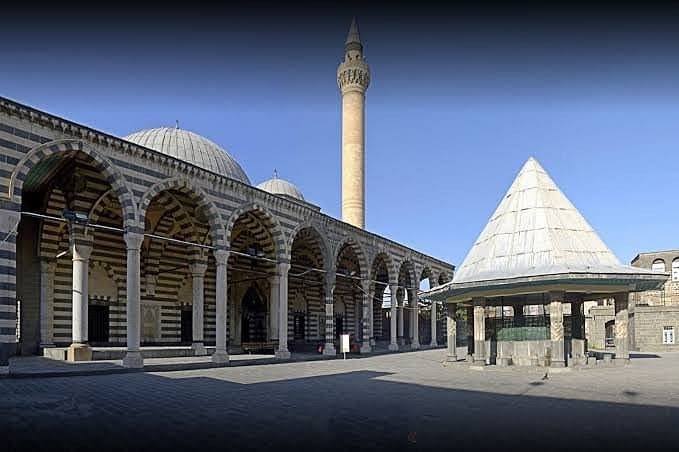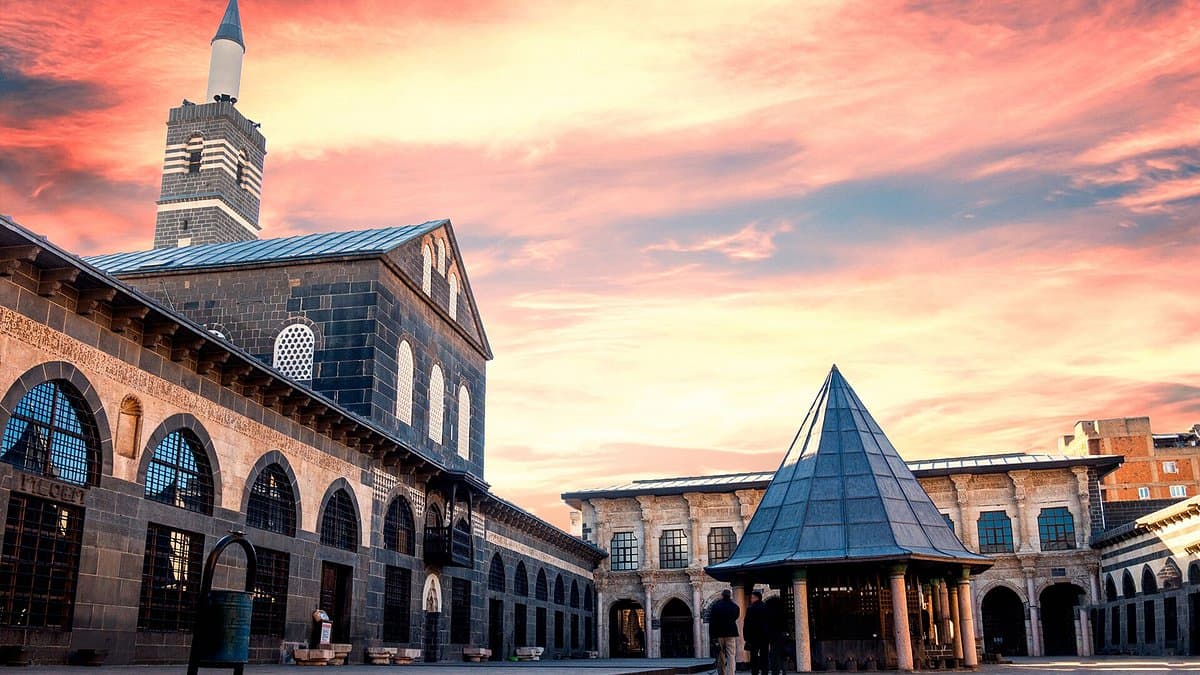
The Grand Mosque of Diyarbakır, locally known as Ulu Cami, stands as one of Anatolia's oldest and most significant mosques. Originally built as the Mar Toma Church, it was converted into a mosque in 639 AD following the Muslim conquest of the city. Its architecture, characterized by a blend of Roman basilica, Syrian, and Seljuk styles, is often compared to the Umayyad Mosque in Damascus, leading some to consider it the fifth holiest site in Islam. This rich history and unique architectural evolution make it a cornerstone of Diyarbakır's cultural heritage.
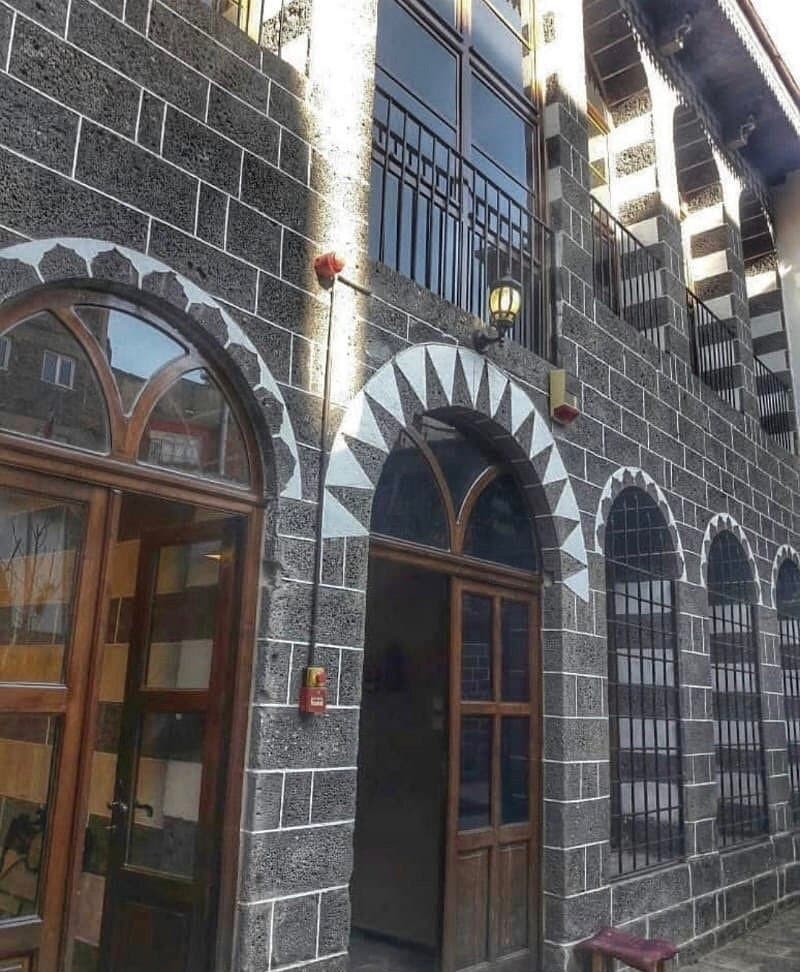
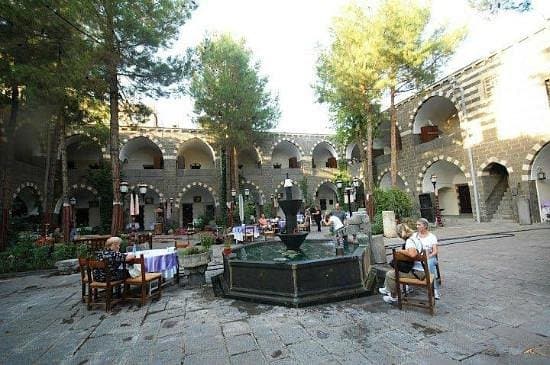
Visitors are consistently struck by the mosque's serene and spiritual ambiance, even amidst many other people. Many reviewers highlight the impressive interior, particularly the large stone columns and ornate details, which create a powerful sense of history. The courtyard is a popular spot, offering a peaceful respite and featuring the famous sundial crafted by the scholar Al Jazari. The mosque's distinctive black basalt stone construction, common in Diyarbakır, also draws praise for its imposing and unique appearance. Several visitors recommend taking time to sit in the courtyard, enjoy a tea, and soak in the atmosphere.
To fully appreciate the Grand Mosque, visitors suggest allocating 1-2 hours. The best times to visit are outside of prayer times, especially Friday midday, to avoid crowds and ensure full access to all areas. For women, it is essential to bring a headscarf and ensure legs and arms are covered; some reviewers note that scarves may be available for loan. While the mosque is free to enter, consider hiring a local guide to delve deeper into its complex history and architectural nuances, as many visitors found this enhanced their experience. The mosque is particularly beautiful when illuminated at night, offering a different perspective.
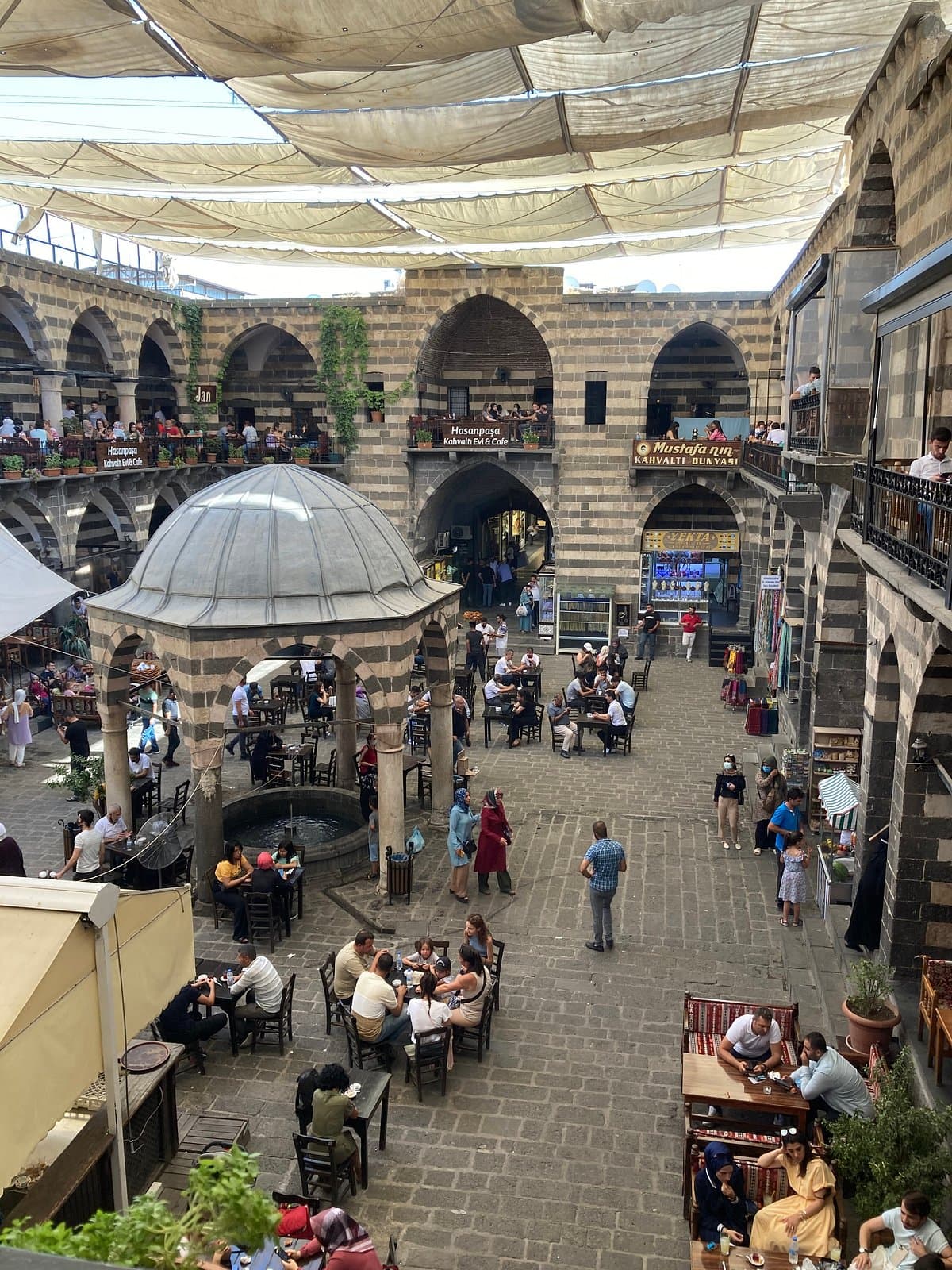
The Grand Mosque is conveniently located in the heart of Diyarbakır's old city, within the Sur district. It is about a 5-minute walk from the various castle gates. Transportation to the old city is often provided by small public buses or dolmuş. Once inside the old city walls, the mosque is easily accessible on foot, surrounded by other historical sites and authentic venues. Reviewers note that the area around the mosque is vibrant with shops and street stalls, adding to the local experience.
A common complaint among visitors is the occasional ongoing renovation work, which can sometimes limit access to certain parts of the mosque. While renovations are usually aimed at preservation, it's advisable to check for current updates before your visit. Some visitors also mention that the cleanliness of the surrounding environment could be improved, suggesting the municipality pay more attention to the area's upkeep. Despite these minor issues, the overwhelming sentiment is that the mosque's historical and spiritual significance far outweighs any inconveniences.