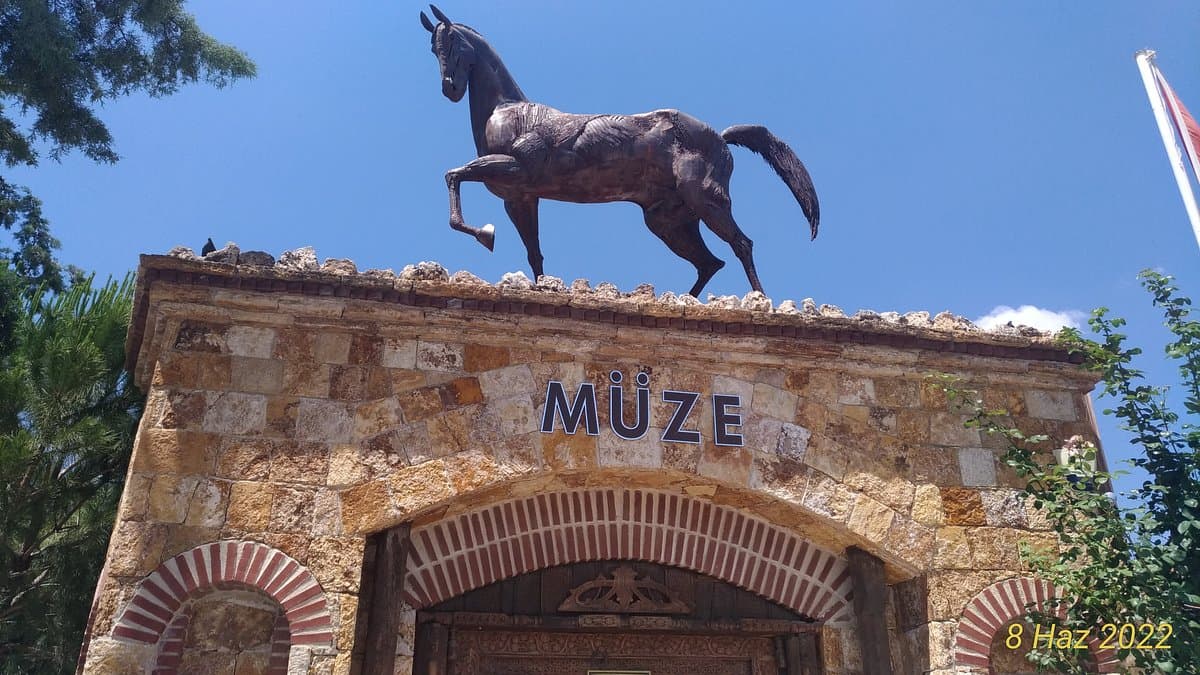
The Halıcı Ahmet Urkay Archaeology and Ethnography Museum is a private institution showcasing a vast collection of historical and cultural artifacts from the Pamukkale region. It represents the lifelong dedication of its founder, Ahmet Urkay, who spent 60 years accumulating these items. The museum provides a unique perspective on the area's archaeological heritage and its ethnographic traditions, making it a valuable resource for those interested in local history beyond the famous travertine terraces.
Visitors consistently praise the sheer volume and diversity of the collection, noting that it contains several thousand historic artifacts. The exhibits cover a broad range of periods and themes, from ancient archaeological finds to more recent ethnographic pieces, offering a comprehensive look at the region's past. Reviewers appreciate the personal touch of a private collection and the opportunity to see items that might not be displayed in larger, state-run museums.
To make the most of your visit, allocate about 1 to 2 hours to explore the museum thoroughly. It is best visited during the cooler parts of the day or as a complement to your main Pamukkale itinerary. There are no specific warnings about what to skip, as the entire collection is part of a cohesive private effort. Bringing a camera is recommended for capturing the unique exhibits, though it's always wise to check for any photography restrictions upon entry.
The museum is conveniently located next to the Halıcı Hotel on Belediye Cd. in the Karahayıt neighborhood of Pamukkale. While specific public transport details are not widely available in reviews, its location within a developed area suggests it is easily accessible by local taxis or dolmuş (shared minibuses) from central Pamukkale or Denizli. If driving, parking should be available in the vicinity of the hotel.
Common complaints are not frequently mentioned in reviews, likely due to the museum's niche appeal and the personal nature of the collection. However, as a private museum, it might have more limited facilities or less extensive interpretive signage compared to larger national museums. To mitigate this, consider doing some preliminary research on the region's history before your visit to better appreciate the context of the artifacts.