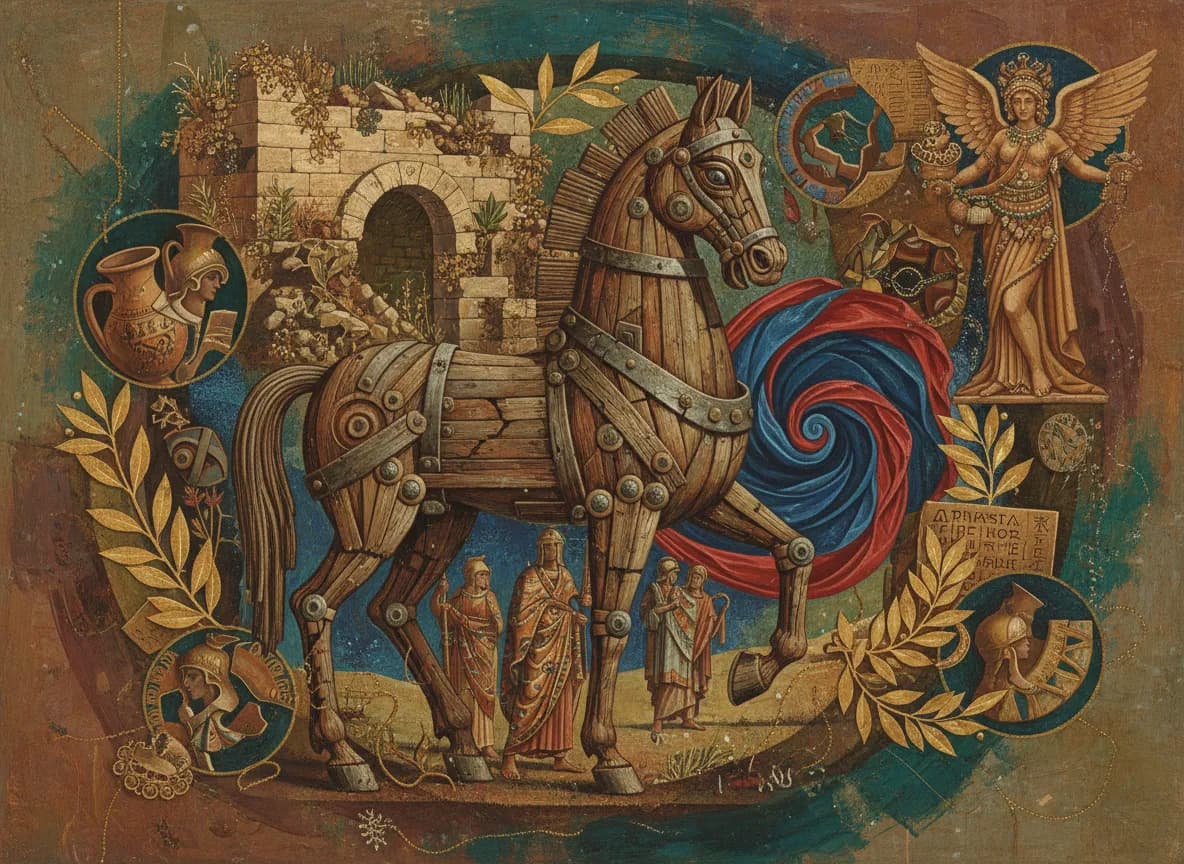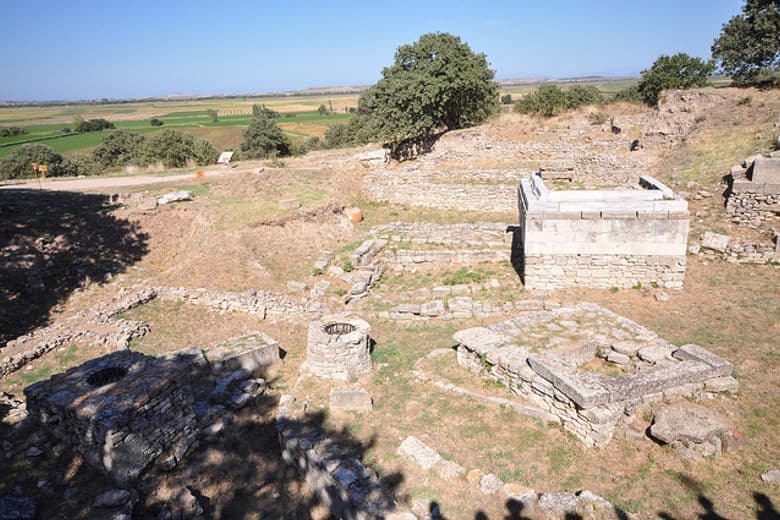
Troy, known locally as Truva, is an ancient city located in what is now Çanakkale, Turkey. It gained legendary status as the setting for Homer's epic poem, the Iliad, which recounts the Trojan War. The archaeological site reveals nine distinct layers of urban construction, spanning over 3,000 years, making it one of the most complex and significant archaeological digs in history. From early Bronze Age settlements to Roman-era cities, Troy offers a fascinating glimpse into millennia of human civilization and its enduring connection to myth.
Visitors consistently praise the site for its historical significance and the opportunity to walk through a place steeped in legend. Many appreciate the well-maintained pathways and informational signs that help contextualize the ruins. The reconstructed wooden Trojan Horse is a popular photo opportunity, though some find it a bit kitschy. Reviewers often highlight the sense of awe and wonder experienced when standing on ground where such pivotal events are believed to have occurred. However, some visitors warn that the site requires imagination, as many structures are reduced to foundations, and it's not as visually dramatic as some other ancient sites.
To make the most of your visit, allocate at least 2-3 hours to explore the site thoroughly. Bringing a good guide or an audio guide is highly recommended by many, as it significantly enhances the understanding of the various layers and their historical context. Wear comfortable walking shoes, as there is a fair amount of walking on uneven terrain. Sun protection, such as a hat and sunscreen, is essential, especially during warmer months, as there is limited shade. Consider visiting in the early morning or late afternoon to avoid the midday heat and larger tour groups.
Troy is located near the modern city of Çanakkale. Many visitors arrive by organized tour buses from Çanakkale or Istanbul. If traveling independently, you can take a local dolmuş (minibus) from Çanakkale's main bus terminal towards Tevfikiye village, which is adjacent to the archaeological site. Taxis are also available from Çanakkale. The site has ample parking for those driving. The entrance is well-marked, and the main path is circular, guiding visitors through the different layers of the city.
A common complaint is the lack of extensive, well-preserved structures, which can disappoint those expecting grand ruins like Ephesus. To mitigate this, manage your expectations by understanding that Troy is primarily an archaeological dig site showcasing layers of history, rather than a city of standing buildings. Focus on the interpretive signs and the historical narrative to fully appreciate its significance. Some find the reconstructed Trojan Horse underwhelming; view it as a photo prop rather than an authentic historical artifact.