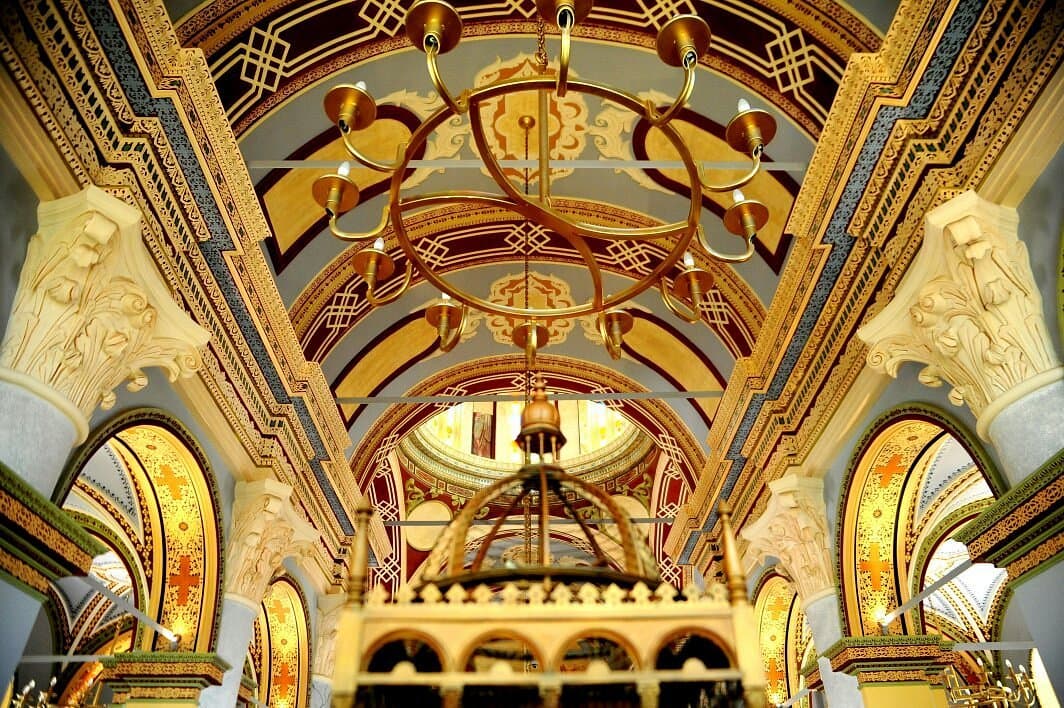
The Taksiyarhis Cunda Ayvalık Rahmi M. Koç Museum is a remarkable cultural institution located in a meticulously restored Greek Orthodox church, originally built in 1873. This transformation from a ruined church into a vibrant museum by the Koç family is widely celebrated by visitors as a significant contribution to preserving local heritage and enhancing tourism. The building itself is a stunning example of stone architecture, with many reviewers highlighting its impressive ambiance and the excellent quality of the restoration work.
Visitors consistently praise the museum's diverse and engaging collection, which includes an eclectic mix of models, old machinery, clocks, marine equipment, and a dedicated toy museum on the upper floor. Many find the exhibits fascinating for both adults and children, with some comparing it favorably to the larger Koç Museum in Istanbul, describing it as a concise yet rich summary. The glass floor on the ground level, offering views of the original crypt, is a frequently mentioned highlight. Reviewers often note the well-organized displays and the clean, well-maintained environment.
To make the most of your visit, plan to spend approximately 30 minutes to an hour exploring the museum. It's particularly recommended for families with children, especially during the hot midday hours, as the upper floor's toy collection is a hit with younger visitors. While the museum is generally affordable, some visitors have found the entrance fee a bit high compared to the size of the collection. It's advisable to check current ticket prices before your visit. The museum also features a cafe, which some reviewers mention as a pleasant spot for a drink after exploring the exhibits, and a small gift shop.
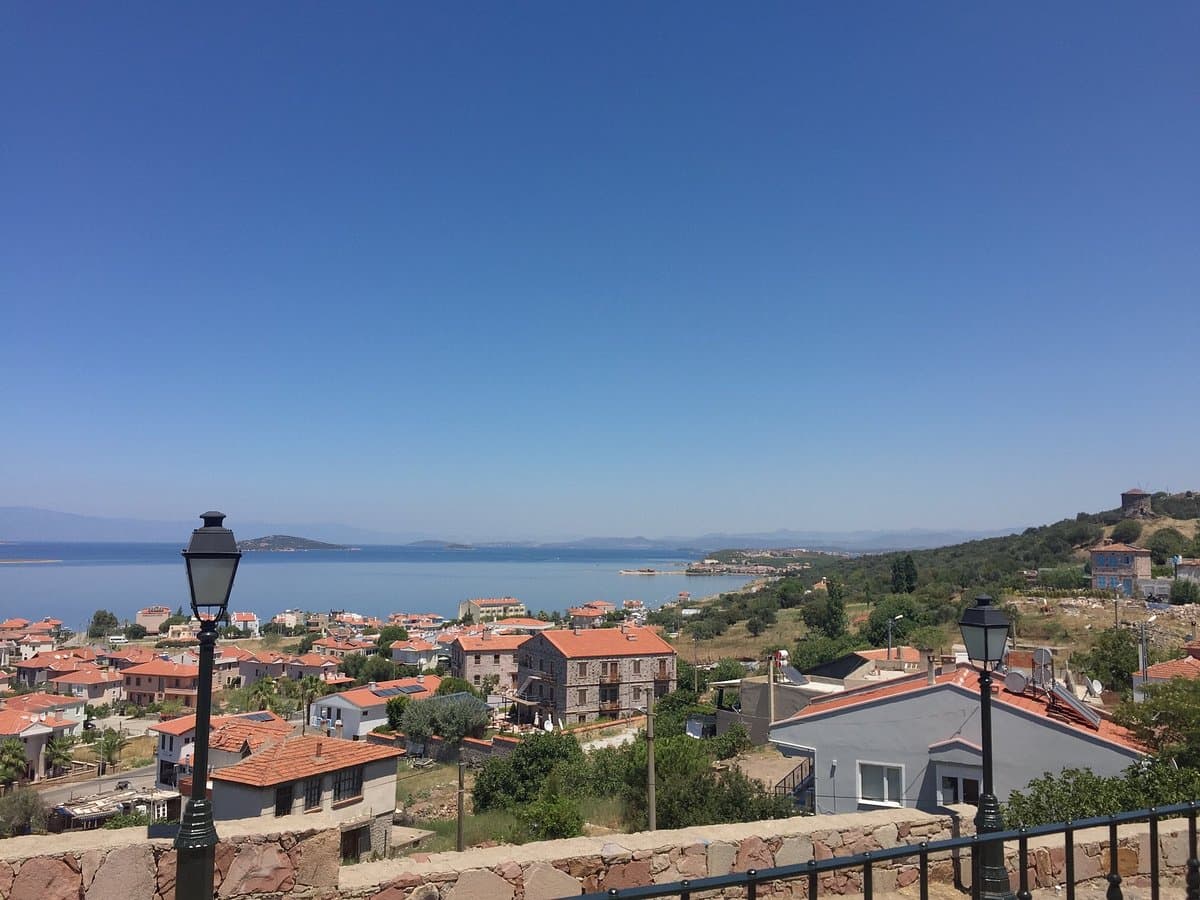
The museum is conveniently located within walking distance of the 'Top of Lovers' viewpoint in Cunda, making it easily accessible on foot once you are on the island. Reviewers warn that driving directly to the museum can be challenging due to narrow and uneven roads, with limited to no parking available directly outside. It's best to park further away and walk. Public transportation options to Cunda Island itself are available from Ayvalık, typically by dolmuş (shared taxi) or ferry, after which the museum is a short walk.
A common complaint among some visitors is the perceived lack of a central theme in the collection, or the feeling that the church's original religious purpose has been overshadowed by the museum's exhibits. While the restoration is widely appreciated, a few reviewers express a sense of disconnect from the building's past as a place of worship. To mitigate this, approach the museum as an appreciation of both architectural preservation and a curated collection of historical artifacts, rather than solely a religious site. The limited English signage is also noted, so consider using a translation app if you wish to understand all Turkish descriptions.