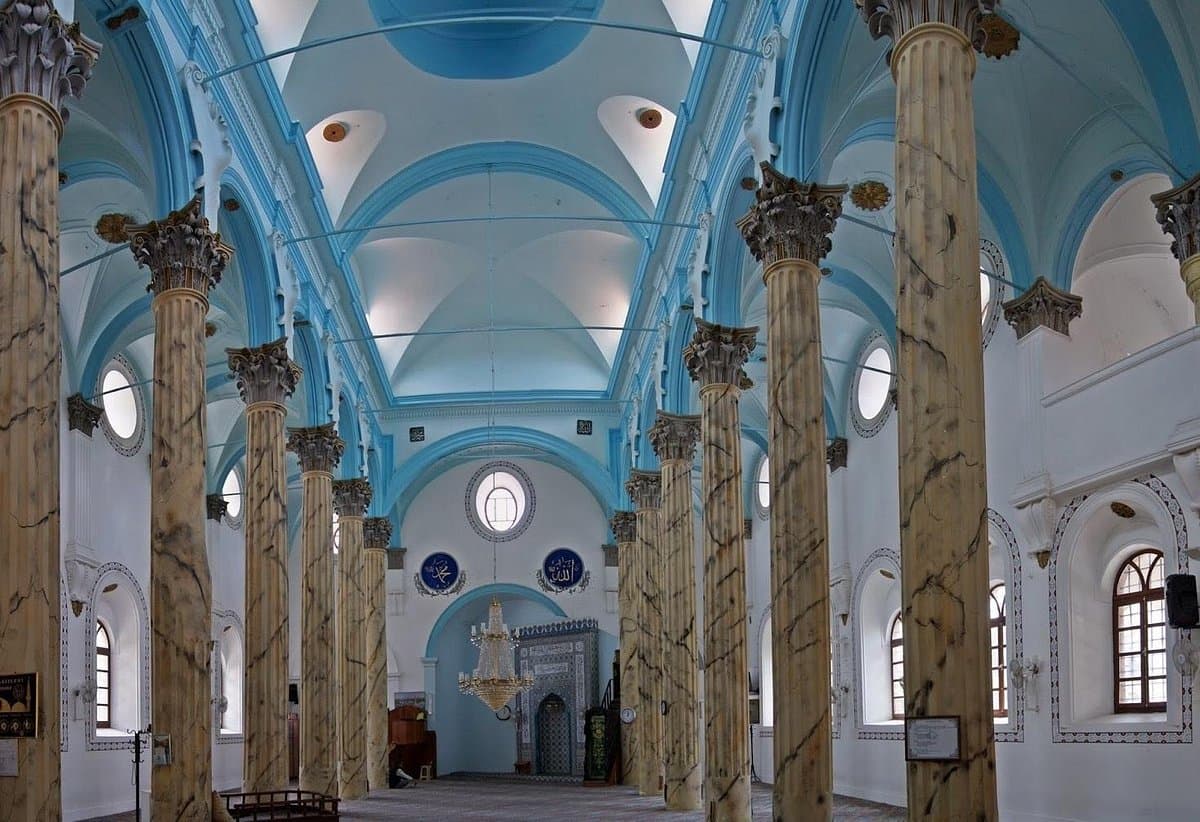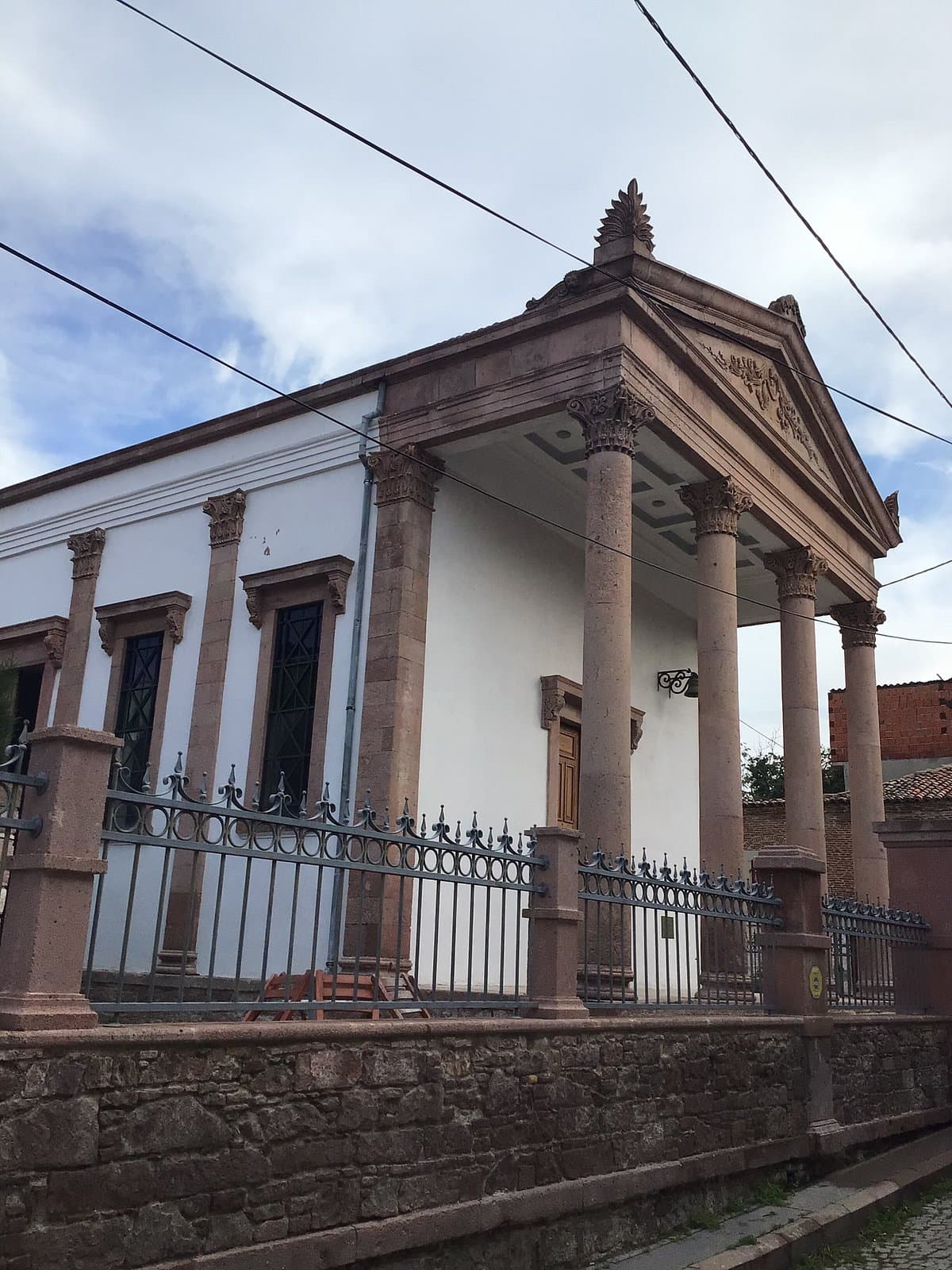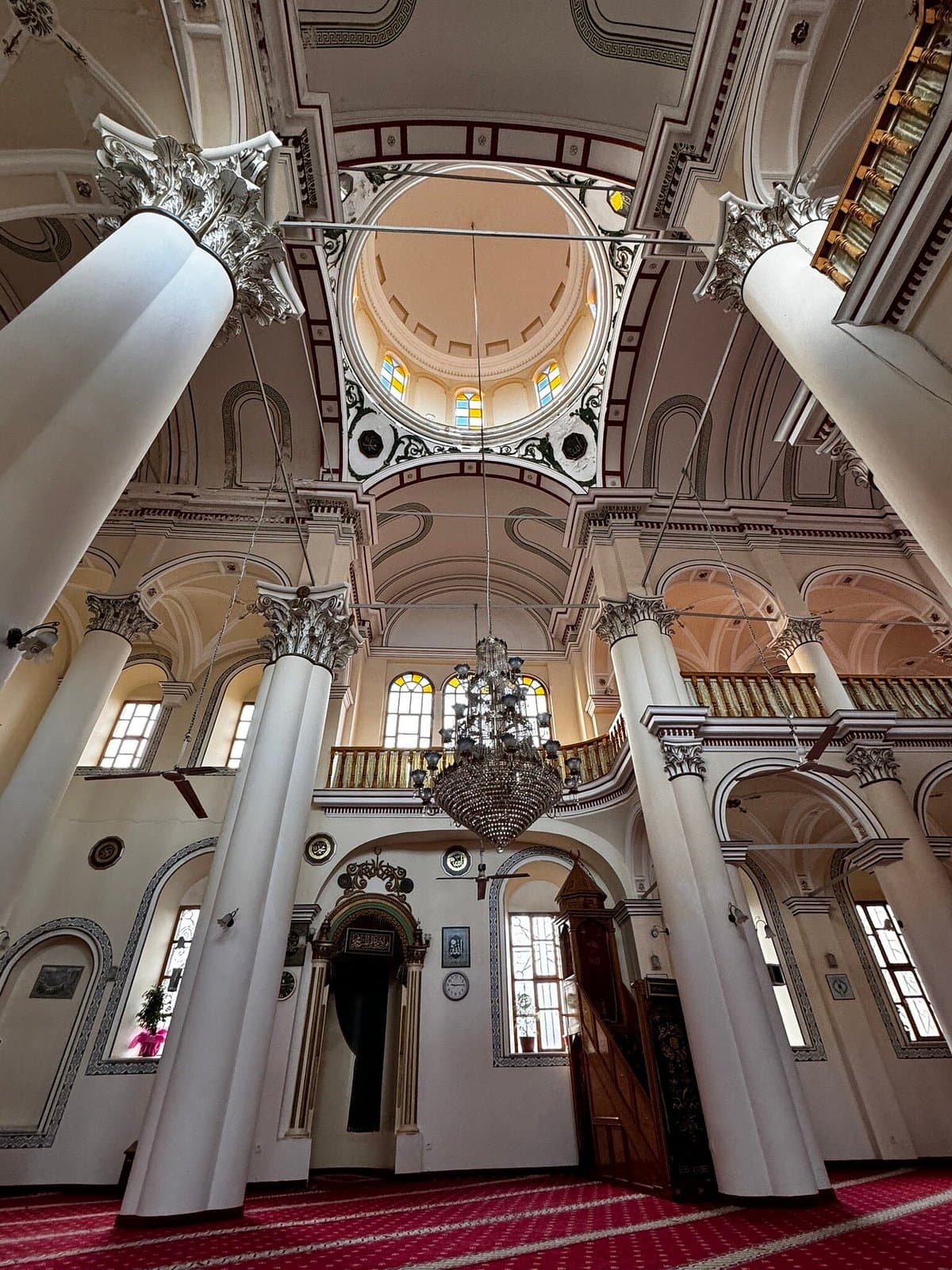
Saatli Cami, or the Clock Mosque, stands as a fascinating example of architectural adaptation in Ayvalık. Originally constructed as the Ağai Ionni Church in the 18th century (some sources suggest 1850 or early 1870s), it was later converted into a mosque during the Republican Era. This transformation is evident in its unique blend of Christian and Islamic architectural elements, making it a significant historical landmark that reflects the region's diverse past.
Visitors consistently praise the mosque's well-maintained condition and cleanliness, with some noting that even the ablution areas are sparkling. The prominent clock tower, which gives the mosque its Turkish name, is a frequently mentioned feature, as is the peaceful atmosphere. Many reviewers find it interesting to observe how a Christian monument has been adapted for Islamic use, particularly the reorientation of prayer services towards Mecca within a structure not originally designed for it. The presence of a nice garden with plenty of shade is also a recurring positive point, offering a pleasant respite in the town center.
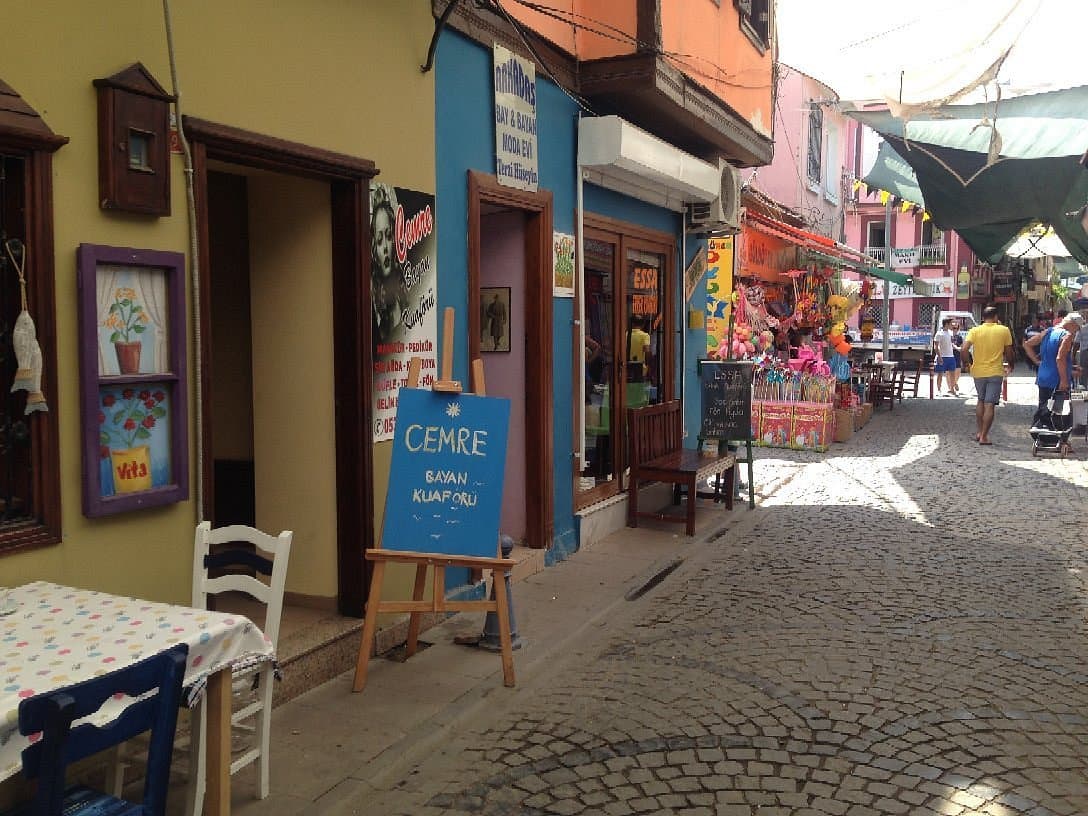
While the interior is generally described as simple and lacking elaborate Christian iconography, its historical context is what truly captivates visitors. It's recommended to spend about 30 minutes to an hour exploring the mosque and its surroundings, perhaps combining it with a stroll through the nearby artisan shops and old houses. The best time to visit is during the day, avoiding prayer times if you wish to explore the interior more freely. On Thursdays, a local bazaar takes place in the nearby streets, adding to the vibrant atmosphere.
The Saatli Cami is conveniently located in the heart of Ayvalık town center, very close to the main mosque. Its central position makes it easily accessible on foot from most parts of the town. No specific public transport lines are mentioned in reviews, but given its central location, it's likely within walking distance of local dolmuş (shared taxi) stops. Parking might be challenging in the narrow, busy streets of the old town, so walking is generally the preferred method of arrival.
A common sentiment among visitors is that while the interior may not be visually spectacular, its historical narrative of religious conversion is the main draw. Those expecting ornate decorations might be underwhelmed, but for those interested in cultural heritage and architectural evolution, it offers a unique insight. To mitigate any disappointment, approach the visit with an appreciation for its historical context rather than purely aesthetic expectations.