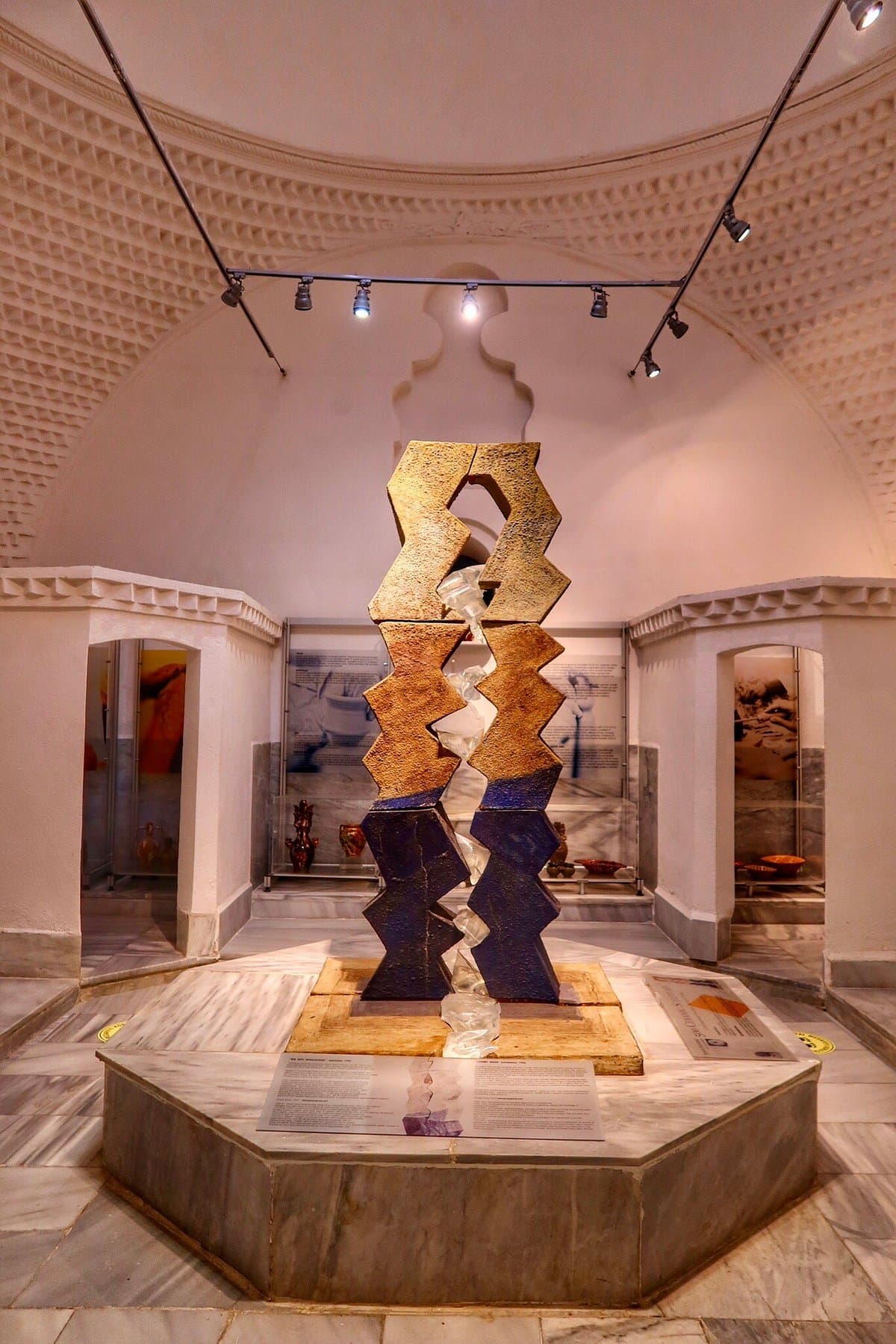
The Çanakkale Ceramic Museum, or Çanakkale Seramik Müzesi, is a unique cultural institution that showcases the rich ceramic tradition of the region within the atmospheric setting of a renovated historic Ottoman hammam. This dual appeal — both the exhibits and the building itself — makes it a noteworthy stop for those interested in local art and architectural preservation.
Visitors consistently praise the museum for its beautiful interior and the interesting blend of ceramic works displayed against the backdrop of the old Turkish bath. Many reviewers highlight that the building, an old hammam, is as captivating as the ceramics themselves, offering a glimpse into the city's past. The staff are often described as welcoming, contributing to a positive visitor experience. While some find the exhibits not particularly extensive, the overall sentiment is that it's a pleasant and worthwhile visit, especially for those who appreciate ceramics or historical settings.
For a fulfilling visit, plan to spend about 10 minutes to an hour, depending on your interest level. Several visitors suggest combining a visit with a stroll along Çanakkale's main promenade, as the museum is just a short walk away. It's a good option for leisure when you have some free time. There's no specific advice on what to bring, but comfortable shoes are always recommended for exploring city centers.
The museum is conveniently located at Cevatpaşa Mahallesi, Kaya Sokak No: 31-33, within the Müstahkem Mevkii Er Hamamı. It is within walking distance of the main promenade and the border area, making it easily accessible for tourists exploring the city center on foot. Its location on a back street means it might not be immediately obvious, but its proximity to major attractions makes it easy to find.
A common observation is that the museum is relatively small, and the exhibits, while interesting, might not be as extensive or 'impressive' as larger, more renowned museums. To mitigate this, manage your expectations regarding the size and scope of the collection. Approach it as a charming, compact experience that combines art with history, rather than a grand, all-encompassing ceramic exhibition.