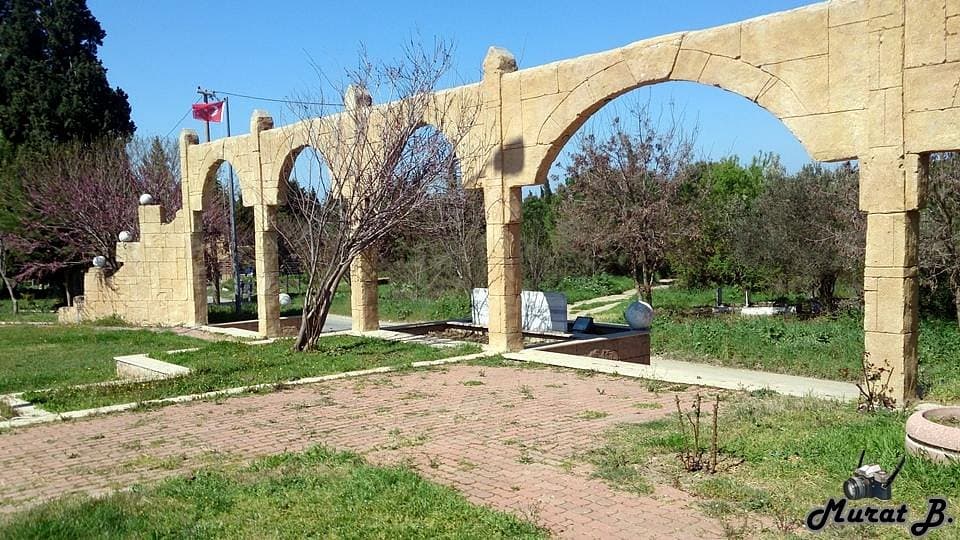
The Büyük Anafarta Martyrs' Cemetery serves as a poignant memorial to the Turkish soldiers who lost their lives during the fierce Gallipoli Campaign of World War I. It is one of many such cemeteries scattered across the historic peninsula, each holding deep national significance for Turkey as a testament to the sacrifices made during a pivotal moment in the nation's history.
Visitors, particularly those with a personal or academic interest in the Gallipoli Campaign, approach this site with reverence. However, recent feedback from those who have visited highlights a concerning issue: the cemetery appears to be in a state of neglect. Reviewers describe overturned tombstones and a general lack of maintenance, suggesting that the site does not currently reflect the respect and care typically afforded to such important national memorials. This condition can significantly impact the visitor experience, making it difficult to fully appreciate the solemnity and historical weight of the location.
Given the reported condition, visitors should manage their expectations regarding the site's upkeep. It is advisable to allocate a short amount of time, perhaps 30-60 minutes, primarily for reflection rather than extensive exploration. There is no entry fee, and the site is open to the public. Bringing water, especially during warmer months, is recommended as amenities are likely to be minimal or non-existent. For those specifically interested in the Gallipoli Campaign, it might be more rewarding to prioritize other, better-maintained memorial sites on the peninsula first.
The cemetery is located in Büyükanafarta, Eceabat, within the Çanakkale Province. Due to its somewhat remote location on the Gallipoli Peninsula, reaching the Büyük Anafarta Martyrs' Cemetery typically requires private transport, such as a rental car or a taxi. Public transport options directly to this specific cemetery are limited or non-existent. Many visitors explore the Gallipoli battlefields as part of an organized tour, which often includes transport to various memorial sites. If driving independently, ensure you have reliable navigation and are aware of the local road conditions.
The primary complaint from visitors revolves around the poor state of maintenance. To mitigate this, it is best to approach the visit with an understanding that the site may not be as pristine as other memorials. Focus on the historical significance and the act of remembrance, rather than expecting a perfectly manicured landscape. Consider visiting as part of a broader tour of the Gallipoli battlefields, where other sites might offer a more comprehensive and well-preserved experience.