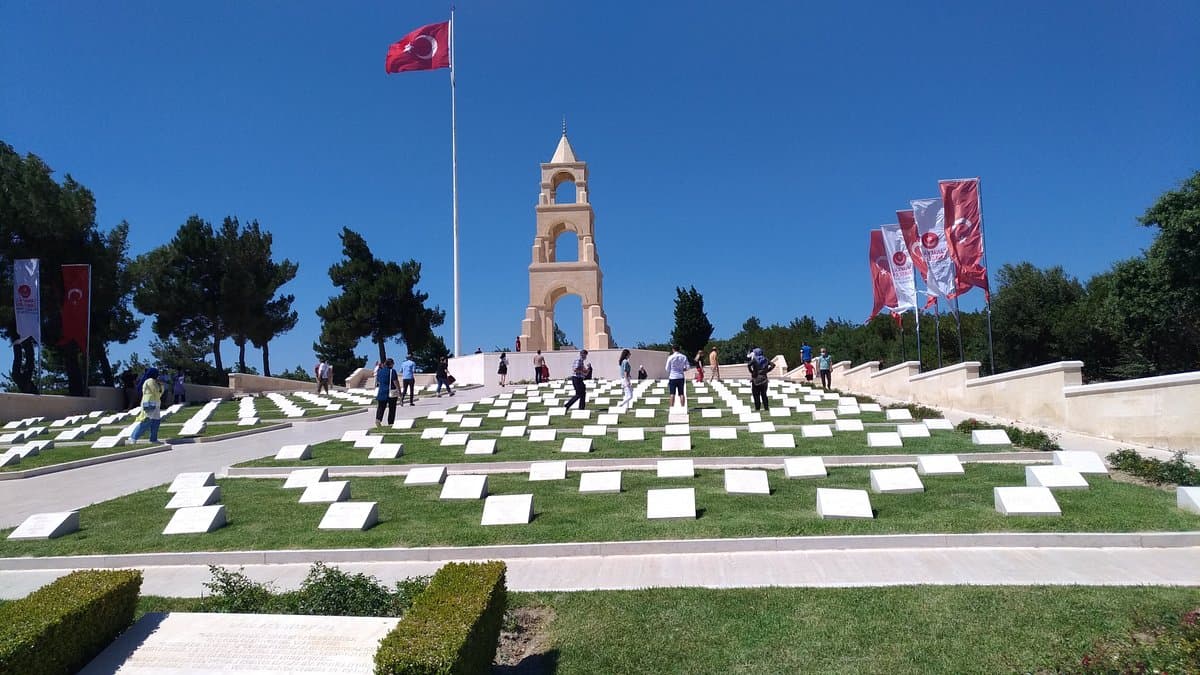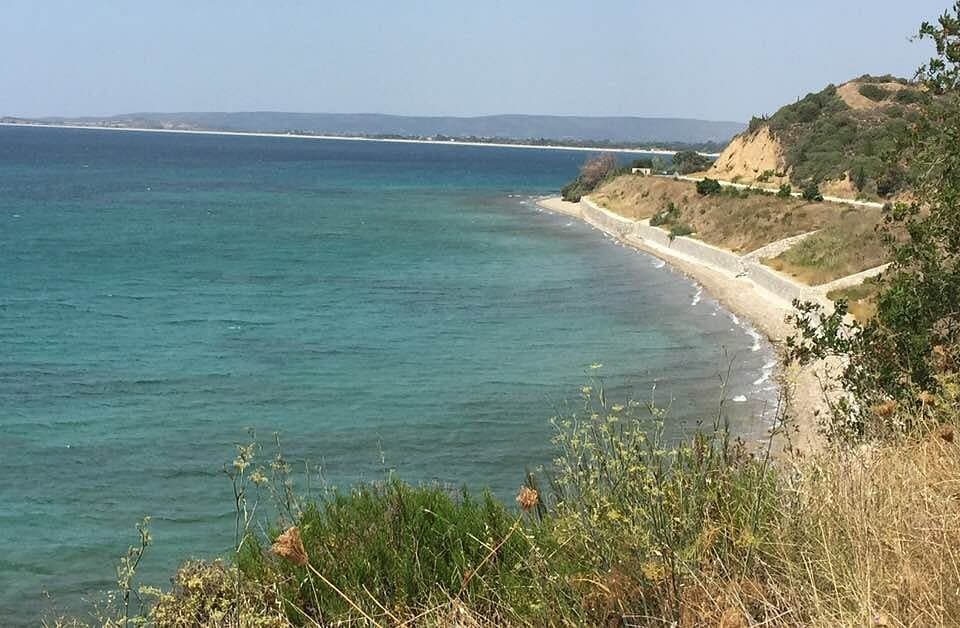
Anzac Cove is a small, crescent-shaped beach on the Gallipoli Peninsula, Turkey, that holds immense historical significance, particularly for Australia and New Zealand. It was here, on April 25, 1915, that the ANZAC forces landed during the ill-fated Gallipoli Campaign of World War I. Today, it stands as a solemn memorial, a place of pilgrimage, and a powerful symbol of national identity for these countries, as well as a testament to the immense sacrifices made by all sides.
Visitors consistently describe Anzac Cove as a deeply moving, humbling, and serene place, despite its tragic history. Many note the stark contrast between the natural beauty of the cove and the horrific events that unfolded there. The well-maintained memorials, cemeteries, and informative plaques along the promenade help visitors understand the scale and impact of the battles. Reviewers often mention the emotional weight of the site, with many finding themselves moved to tears. The respect shown by the Turkish people for the fallen soldiers, including the famous words of Kemal Atatürk inscribed on a monument, is frequently highlighted as particularly touching.
To fully appreciate the site, visitors recommend allocating at least half a day, or even a full day, to explore Anzac Cove and the surrounding Gallipoli battlefields. Many advise visiting with a knowledgeable guide, as their insights significantly enhance the experience. It's crucial to bring water, especially during warmer months, as public facilities are limited. Wearing comfortable walking shoes is also essential, as exploring the various memorials and trenches involves walking. For a more peaceful experience, visitors suggest arriving early in the morning or visiting outside of major commemorative dates like Anzac Day (April 25th), when crowds are significant. Some recommend visiting in March or January for fewer crowds and a more reflective atmosphere.
Anzac Cove is located on the Gallipoli Peninsula, which is quite remote. Most visitors travel by organized tour bus from Istanbul, a journey that can take around 5 hours each way, making for a very long day trip. Alternatively, many choose to stay overnight in nearby towns like Çanakkale and take a ferry or private bus to the peninsula. Reviewers note that while the roads to the area are well-marked, public transport within the Gallipoli National Park itself is virtually non-existent. Therefore, having a vehicle (either a tour bus or a private car) is essential for getting around the various sites, including the cove, cemeteries, and trenches. Parking is generally available at the main sites.
A common complaint is the lack of public amenities, such as restrooms and places to buy food or water, especially outside of organized tours. To mitigate this, visitors strongly advise bringing your own provisions, including plenty of water, snacks, and a packed lunch. Some also mention the potential for extreme heat in summer; a hat, sunscreen, and appropriate clothing are highly recommended. While the area is generally peaceful, the sheer number of sites means careful planning is needed to avoid feeling rushed or overwhelmed.