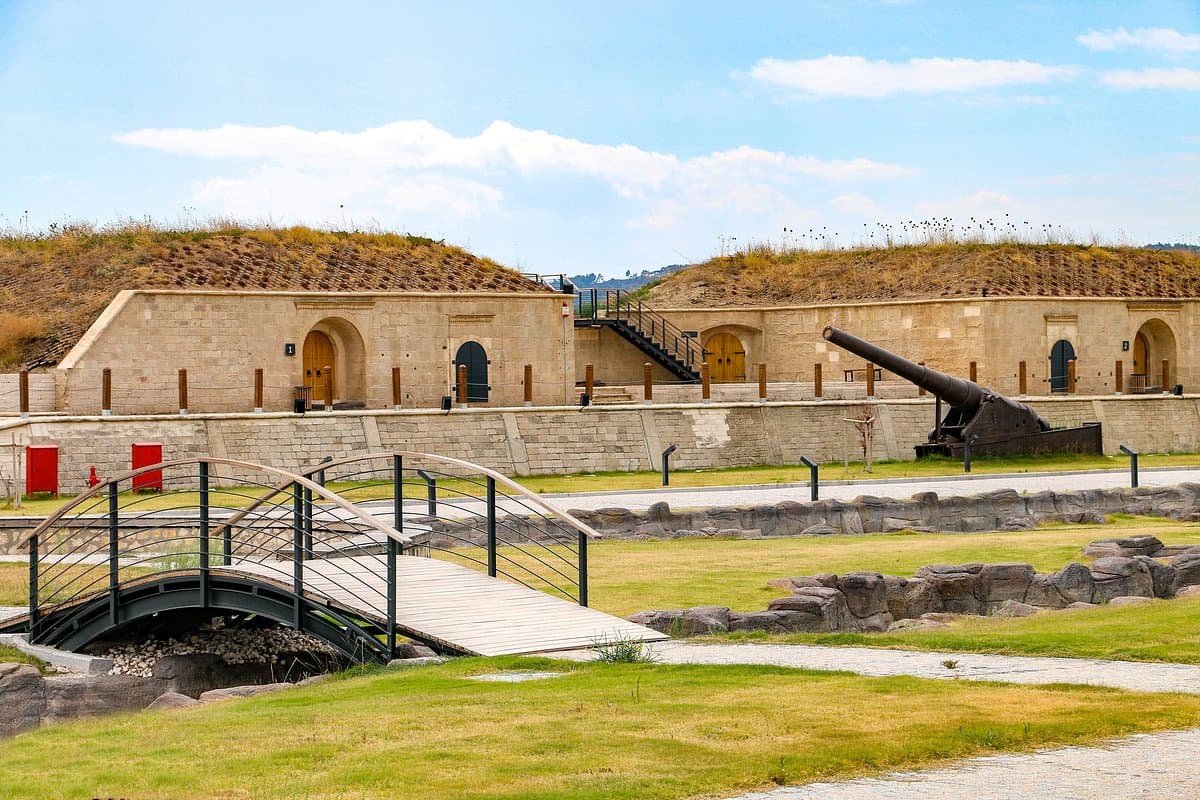
The Anatolian Hamidiye Bastion Gallipoli Wars History Museum is a modern and well-designed institution dedicated to preserving and presenting the history of the Gallipoli Campaign from the Turkish perspective. Located on the Asian side of the Dardanelles, it offers visitors a unique opportunity to connect with the events of World War I at a site that played a direct role in the conflict. Its significance lies in providing a comprehensive narrative that complements other Gallipoli sites, making it a crucial stop for history enthusiasts.
Visitors consistently praise the museum's clean, new, and interesting exhibits. Many highlight the large-scale model of the Gallipoli peninsula as a particularly engaging feature, helping to visualize the complex geography of the campaign. Reviewers also appreciate the overall museum experience, noting the beautiful design of both the museum and the surrounding cultural park. The polite and helpful staff further enhance the visitor experience, contributing to a welcoming atmosphere.
To make the most of your visit, allocate approximately 1.5 to 2 hours to explore the museum thoroughly. It's best visited during daylight hours to fully appreciate the views and the outdoor elements of the bastion. Consider combining this visit with other Gallipoli sites on the Asian side of the Dardanelles, such as Kum Kale, as suggested by some visitors. Bringing a camera is recommended, as many visitors enjoy taking photos of the perfect views and the well-designed exhibits.
The museum is located at Barbaros Mahallesi Aziziye Caddesi, Çanakkale. It is accessible by car or taxi, especially if you are returning to Çanakkale from other sites like Kum Kale on the Asian side. While specific public transport details are not frequently mentioned in reviews, its location within Çanakkale suggests local bus services might be available, though a private vehicle or taxi offers more flexibility for exploring the wider Gallipoli area.
While generally well-received, some visitors might find the focus heavily on the Turkish perspective, which is understandable given its location and purpose. To mitigate this, consider visiting other museums or memorials that offer different national viewpoints to gain a more balanced understanding of the campaign.