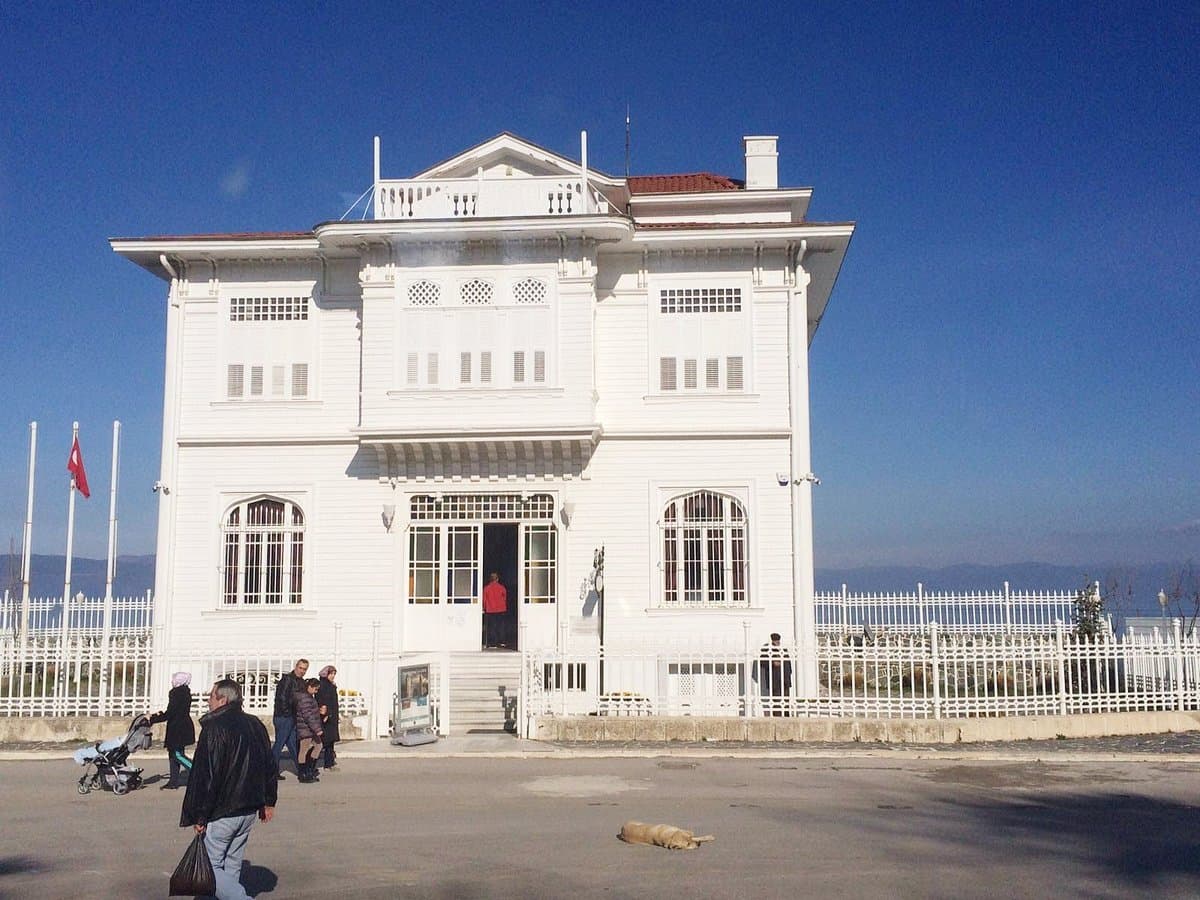
The Mudanya Armistice House Museum is a beautifully preserved 19th-century wooden mansion that holds immense historical significance for Turkey. It was here, on October 11, 1922, that the Armistice of Mudanya was signed, effectively ending the Turkish War of Independence and paving the way for the establishment of the Republic of Turkey. The museum serves as a poignant reminder of this pivotal event, showcasing the rooms and artifacts from that era.
Visitors consistently praise the museum for its authentic atmosphere and the opportunity to see original furniture and settings from the armistice period. Many reviewers highlight the wax statues of the signatories, particularly İsmet İnönü, and the delegates' chamber where crucial discussions took place. The house itself is admired for its traditional Turkish architecture and its picturesque location right on the Marmara Sea. History enthusiasts find it a "must-visit" for understanding the birth of modern Turkey, noting that the significance goes beyond just the furnishings.
To make the most of your visit, allocate about 1-2 hours to explore the two-story house thoroughly. Reviewers suggest that a basic understanding of Turkish history, particularly the War of Independence, enhances the experience significantly. While some find the museum less engaging without this historical context, others still appreciate the old wooden house and its furnishings. The museum is located in the historical center of Mudanya, making it convenient to combine a visit with exploring the town's seafront promenade and enjoying seafood restaurants nearby.
The museum is situated on Oniki Eylül Cad. in Mudanya, directly facing the Marmara Sea. It's easily accessible within the old part of town. Mudanya itself is a coastal town near Bursa, and can be reached by ferry from Istanbul or by bus from Bursa. Once in Mudanya, the museum is centrally located and can be reached on foot from most points in the old town.
A few visitors have noted that while the historical importance is undeniable, some areas might appear "a bit neglected." However, the overall sentiment remains positive, with many finding the staff knowledgeable. To mitigate any potential disappointment, approach the museum as a historical memorial rather than a grand, modern exhibition, focusing on the profound events that transpired within its walls.