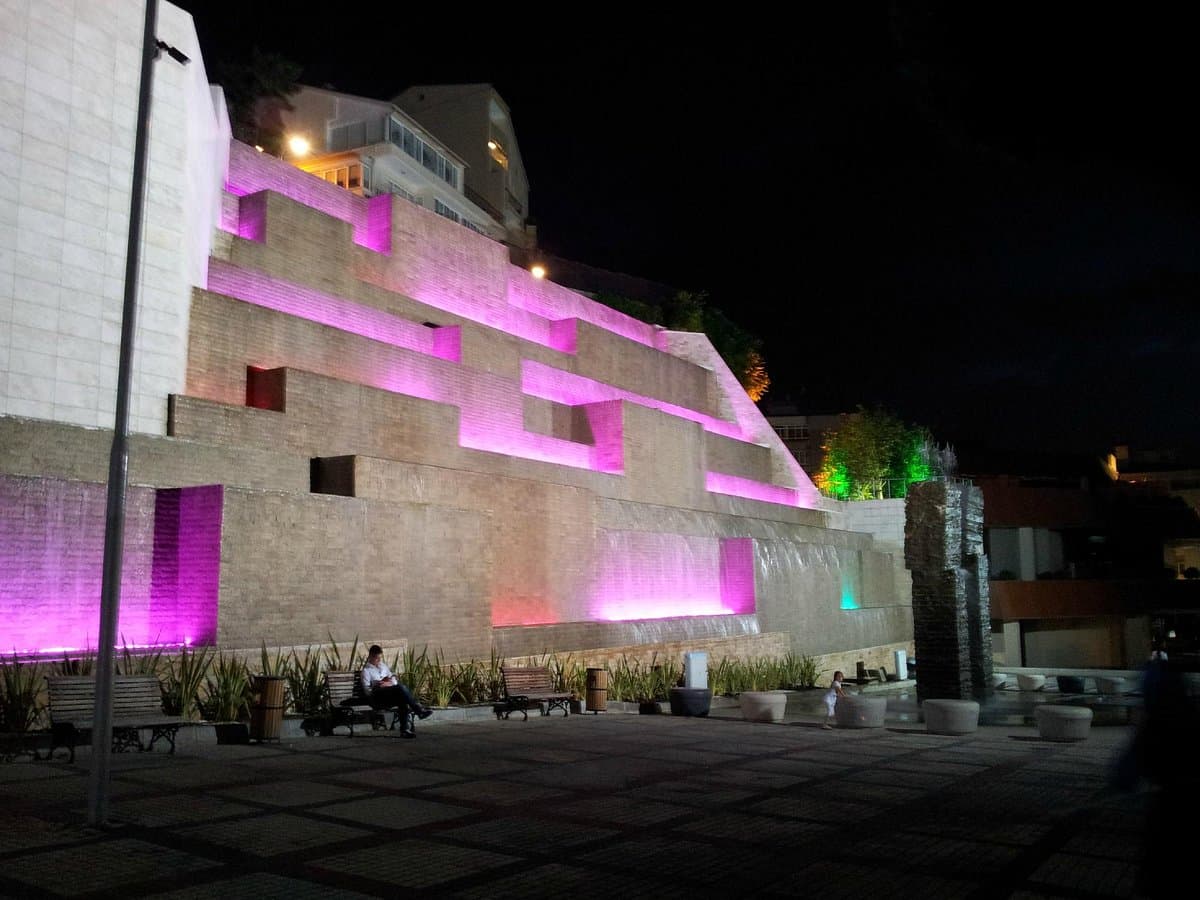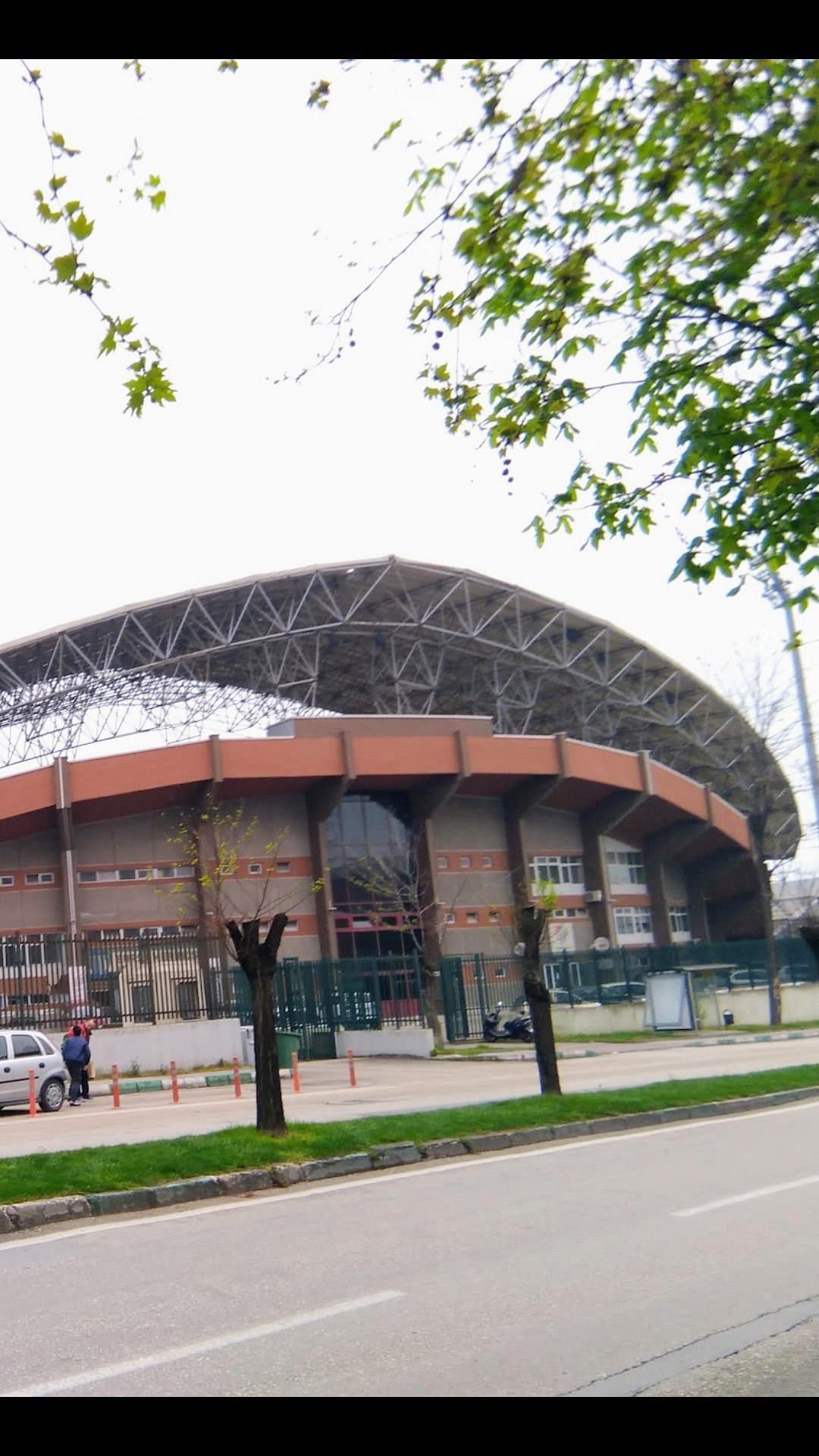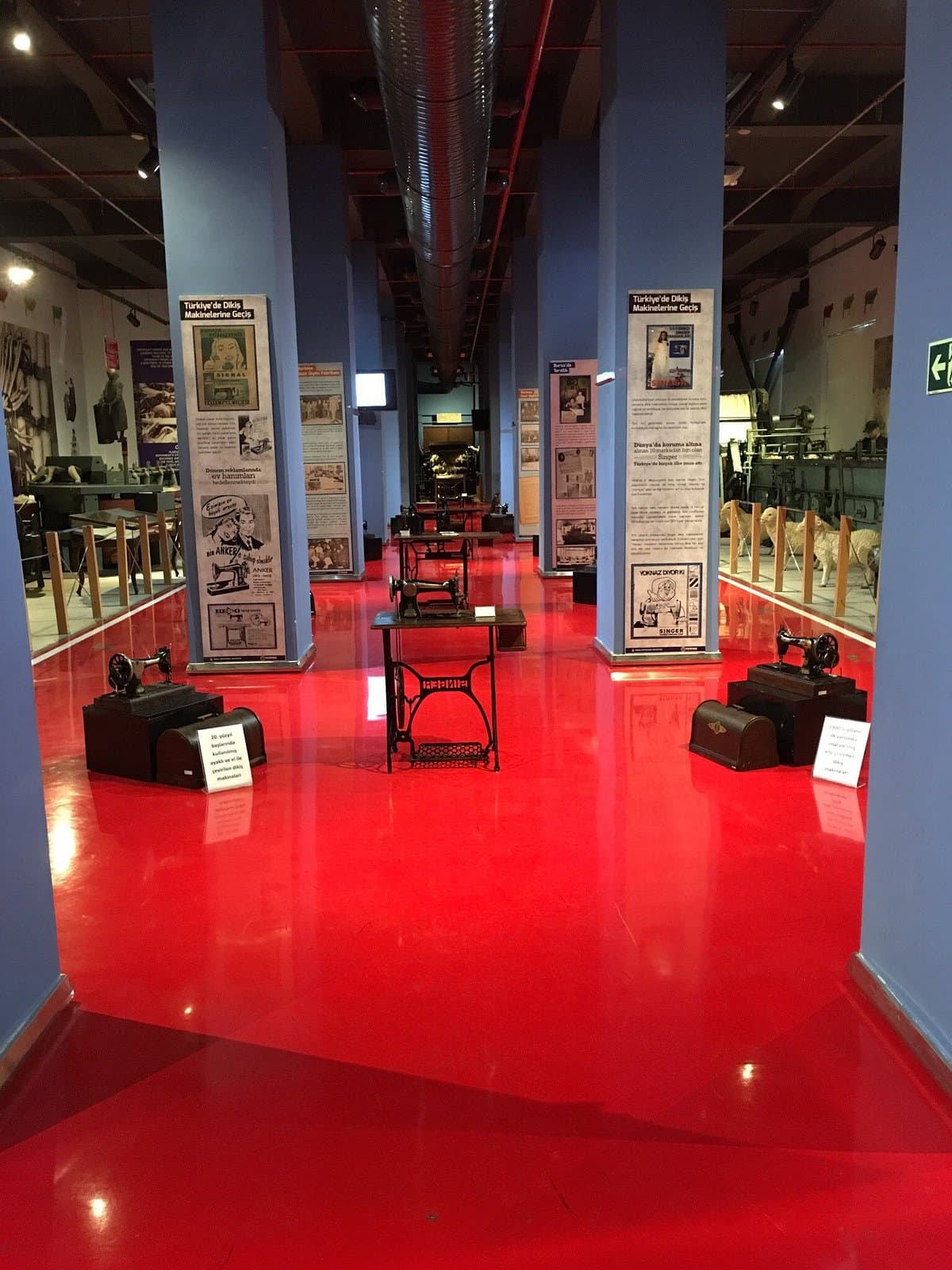
The Merinos Textile Industry Museum is housed within the expansive Atatürk Congress and Culture Center, a significant complex that also hosts other museums. It serves as a historical repository for Bursa's rich textile heritage, specifically focusing on the Merinos Wool Factory, which was a cornerstone of Turkey's industrialization. The museum meticulously documents the factory's operations, the lives of its workers, and the evolution of textile production in the region, offering a tangible connection to a pivotal era in Turkish economic history.
Visitors consistently praise the museum for its engaging exhibits and the comprehensive narrative it presents. Many find the detailed history of the factory and the textile industry to be surprisingly interesting, even for those without a prior specific interest in the subject. The museum's location within a larger cultural complex is also seen as a benefit, allowing visitors to combine their visit with other attractions like the Migration Museum, which is also noted for being thought-provoking.
To make the most of your visit, allocate approximately 1 to 2 hours. The museum is generally not crowded, allowing for a leisurely exploration. It is particularly suitable for a visit during the cooler parts of the day or as an indoor activity on a rainy day. There are no specific items to bring, but comfortable shoes are always advisable for exploring the center. As it's not on the main tourist route, consider visiting if you have ample time in Bursa or are already in the vicinity of Merinos Park.
The museum is located at the East Gate (Doğu Kapısı) of the Atatürk Congress and Culture Center in Bursa. While specific public transport details are not frequently mentioned in reviews, the center is a well-known landmark in Bursa, and local buses or taxis should provide convenient access. Visitors often combine a trip here with other activities in the Merinos Park area, which is generally accessible.
A common observation is that the museum is not a primary tourist destination, meaning it might be overlooked by those on a tight schedule. However, for visitors seeking a deeper, more niche cultural experience beyond the typical historical sites, this museum offers a rewarding alternative. The main challenge might be its slightly off-the-beaten-path location for some tourists, but its integration into a larger cultural complex mitigates this by offering multiple points of interest.