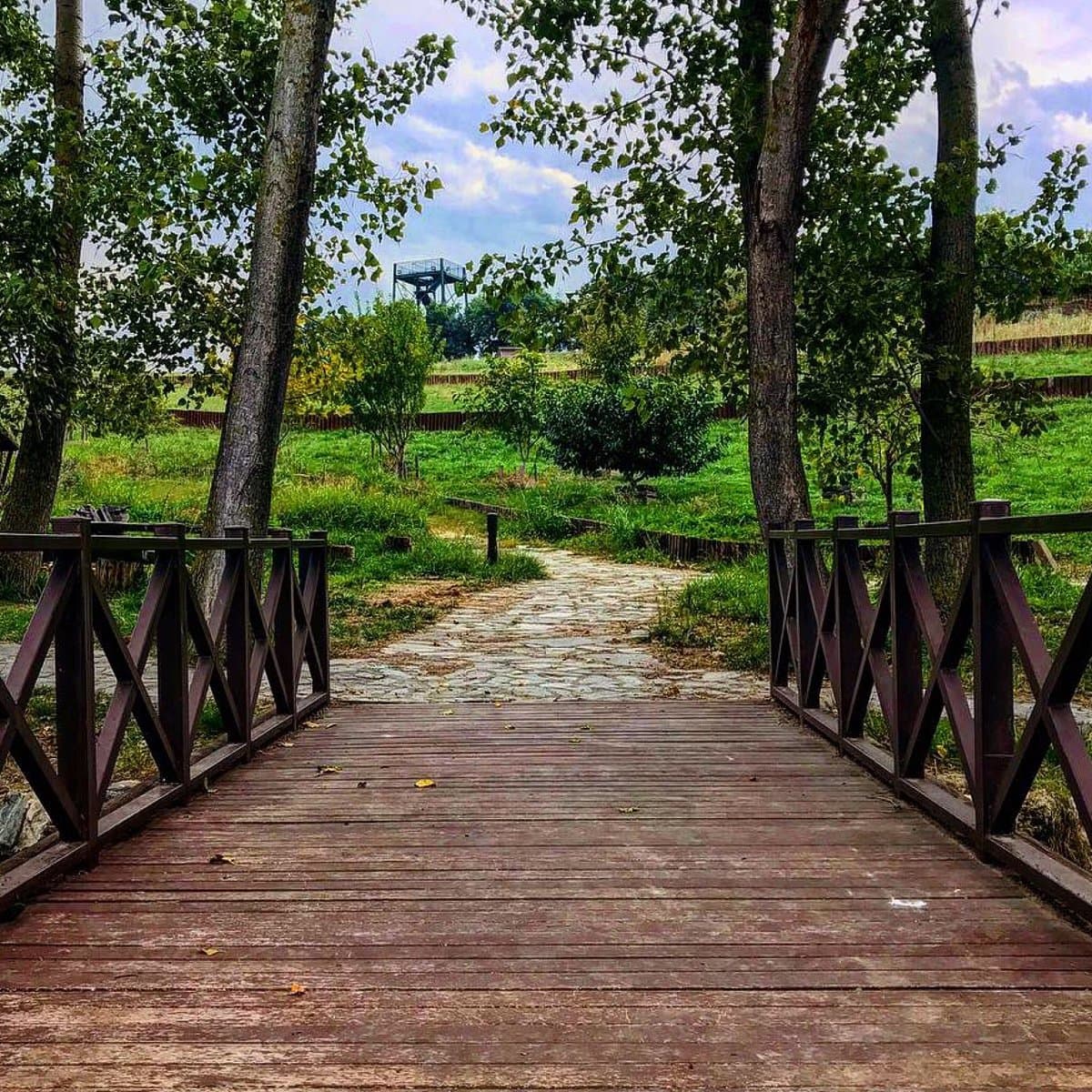
The Aktopraklik Hoyuk Archaeological Park and Open-Air Museum is an archaeological site focusing on prehistoric settlements, particularly from the Neolithic and Chalcolithic periods. It provides a rare opportunity to observe ongoing archaeological work and understand the early human history of the region. The site is significant for researchers and those deeply interested in the origins of civilization in Anatolia.
Visitors have mixed experiences. Some appreciate the unique opportunity to see active excavations and commend the staff, like Mesut and Murat, for their interest and helpfulness, especially when visiting with children. They describe it as a different and engaging experience. However, a significant point of contention among visitors is the lack of developed infrastructure for general tourism. Many express disappointment over the absence of clear explanations, informational signs, or comprehensive displays about the site itself. The small cabin at the entrance, while offering general archaeological information, does not adequately contextualize the specific findings of Aktopraklik Hoyuk.
For those considering a visit, it is advisable to manage expectations. This is not a museum with polished exhibits but rather an active archaeological dig. Bring your own research or a knowledgeable guide if you wish to understand the site's significance in detail. A visit might take 1-2 hours, primarily observing the excavation areas. It is best visited during cooler months or early mornings to avoid the heat, as much of the site is exposed.
The park is located near Bursa. Specific public transport details are not widely available in visitor reviews, suggesting that reaching the site might require a private vehicle or taxi. Visitors should confirm the exact location and best route before traveling, as it is not centrally located within Bursa's main tourist areas.
The primary complaint revolves around the lack of interpretive content. To mitigate this, consider researching the Aktopraklik Hoyuk site thoroughly before your visit. Understanding the historical context and the importance of the ongoing excavations will significantly enhance your experience, compensating for the limited on-site explanations.