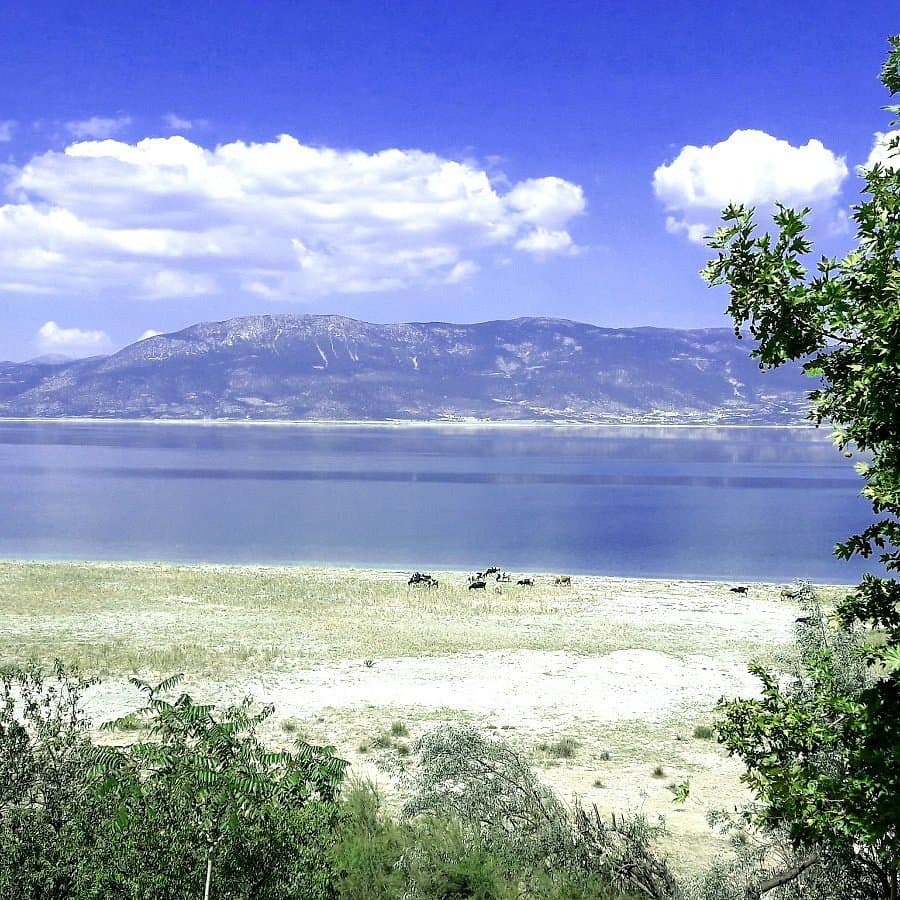
The Burdur Lake Bird Sanctuary, known locally as Burdur Gölü Kuş Cenneti, is a significant natural area dedicated to the protection and observation of various bird species. It plays a crucial role in the local ecosystem, serving as a habitat and migratory stopover for numerous avian populations. For those with a passion for wildlife and ornithology, it offers a unique opportunity to connect with nature away from the bustling city.
Visitors consistently praise the peaceful atmosphere and the chance to see a wide array of birds, including flamingos, pelicans, and various duck species, especially during migration seasons. Reviewers often highlight the beauty of the lake itself and the serene environment. However, several visitors note that the facilities are quite basic, with limited amenities such as observation towers or detailed informational signage. It is important to manage expectations regarding infrastructure; this is a natural reserve, not a highly developed tourist attraction.
To make the most of your visit, bring binoculars and a bird identification guide. A camera with a good zoom lens is also highly recommended for capturing wildlife. The best time to visit for birdwatching is during the spring and autumn migration periods, when the diversity and number of birds are at their peak. Early mornings or late afternoons are generally ideal for observing active bird life. Plan to spend 1-2 hours here, allowing ample time for quiet observation. There are no specific entry fees mentioned in reviews, suggesting it is freely accessible.
The sanctuary is located near the city of Burdur. While specific public transport options directly to the sanctuary are not widely detailed in reviews, visitors typically reach it by private car or taxi from Burdur city center. It is advisable to confirm directions and accessibility with local sources or your accommodation in Burdur before heading out, as signage might be limited.
A common complaint among visitors is the lack of developed infrastructure and interpretive materials. To mitigate this, come prepared with your own equipment and research the local bird species beforehand. Some reviewers also mention issues with litter in certain areas; contributing to its preservation by taking all your trash with you is highly encouraged.