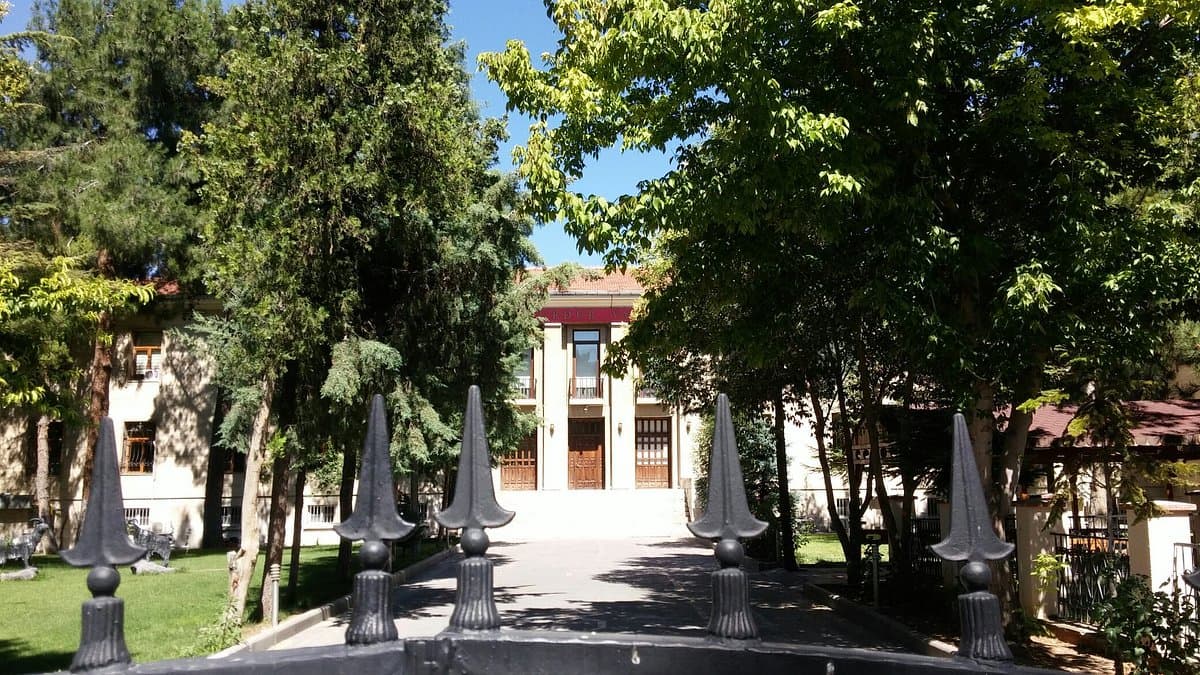
The Burdur Monuments (Burdur Anitlari) refer to various historical sites located within the city of Burdur, Turkey. These are not a single, consolidated attraction but rather a collection of scattered remnants from different historical periods, including Roman, Byzantine, and Ottoman eras. They offer a window into the rich, layered history of the region, showcasing architectural styles and cultural influences that have shaped Burdur over centuries.
Visitors frequently praise the authentic, non-touristy feel of exploring these monuments. Many appreciate the opportunity to discover historical elements without the crowds typically found at more famous sites. Reviewers often highlight the sense of stepping back in time and the quiet contemplation these less-visited spots afford. However, some visitors note the lack of comprehensive signage or interpretive information at certain locations, which can make it challenging to fully understand their historical context without prior research or a local guide.
To make the most of a visit, it's advisable to research specific monuments of interest beforehand. A good approach is to allocate a few hours, perhaps in the late morning or early afternoon, to explore a cluster of monuments that are relatively close to each other. Bringing a map or using a navigation app is essential due to their dispersed nature. Comfortable walking shoes are a must, as exploring involves walking between sites. Consider packing water, especially during warmer months, as amenities might not be readily available at every monument. There are no specific entry fees for most of these open-air sites, making them a budget-friendly option.
As the monuments are spread throughout Burdur city, getting there typically involves using local transportation or walking. Many sites are accessible by foot from the city center, while others might require a short taxi ride or using local dolmuş (shared mini-bus) services. There is no single 'address' for all monuments, so visitors should pinpoint specific locations they wish to see. Parking can be found on streets near individual sites, but it may be limited in busier areas.
A common complaint among visitors is the lack of unified information or a clear 'trail' connecting the monuments. To mitigate this, consider visiting the Burdur Museum first, as it provides excellent context for the region's history and artifacts, which can enhance the appreciation of the outdoor monuments. Planning your route to group nearby sites together will also help reduce travel time and make the experience more cohesive.