Visitors consistently praise the park’s tranquil atmosphere and picnic-friendly clearings: several reviewers mention bringing blankets and finding shaded spots among the surrounding woodland. Many note the easy walking tracks around the pond — described as short, flat loops good for families and casual birdwatchers.
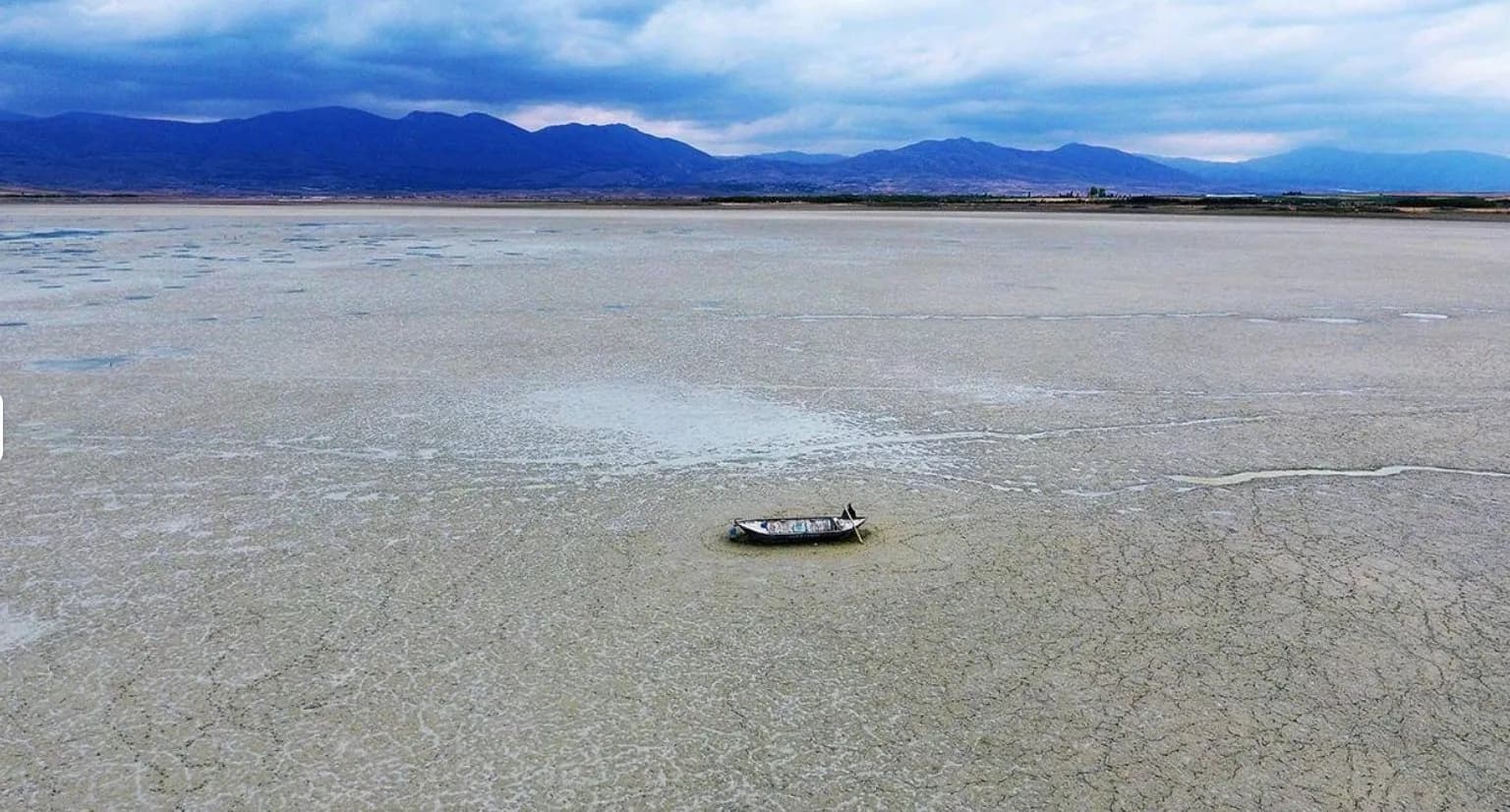
Birdwatching is a recurring highlight in reviews: people report seeing a variety of species nesting in the extensive reedbeds, and reviewers who visited in spring emphasize the chorus of birds and blossoming plants. At the same time, several reviewers warn that water levels vary dramatically — Wikipedia and multiple visitor accounts note that the lake is shallow (max depth around 2 m) and in 2021 it reportedly dried up completely, so wildlife sightings depend on recent rainfall.
A common complaint is limited facilities: although the official site and travel posts state there is parking and picnic areas, visitors mention the absence of visitor centres, toilets or marked interpretation panels, and some reviewers advise bringing water, snacks and insect repellent. Access is described as by car; one experiential report says it’s about a 1.5‑hour drive from nearby population centres.
Practical tips from reviews include visiting in spring when flora and bird activity peak, arriving early for cooler temperatures and better light for photography, and checking local conditions beforehand because seasonal drying can reduce the lake’s appeal. Entry is free and many reviewers treat the site as a relaxed stop rather than a long guided excursion.