The Şeyh Ali Semerkandi Tomb is a significant spiritual site in Çamlıdere, dedicated to Şeyh Ali Semerkandi, a revered Islamic scholar and saint who lived during the formative years of the Ottoman Empire (1320-1457). Believed to have lived to the age of 137, he is considered a friend of God and a great saint of his time, with lineage tracing back to prominent Islamic figures. The tomb serves as a place of pilgrimage and reflection for many.
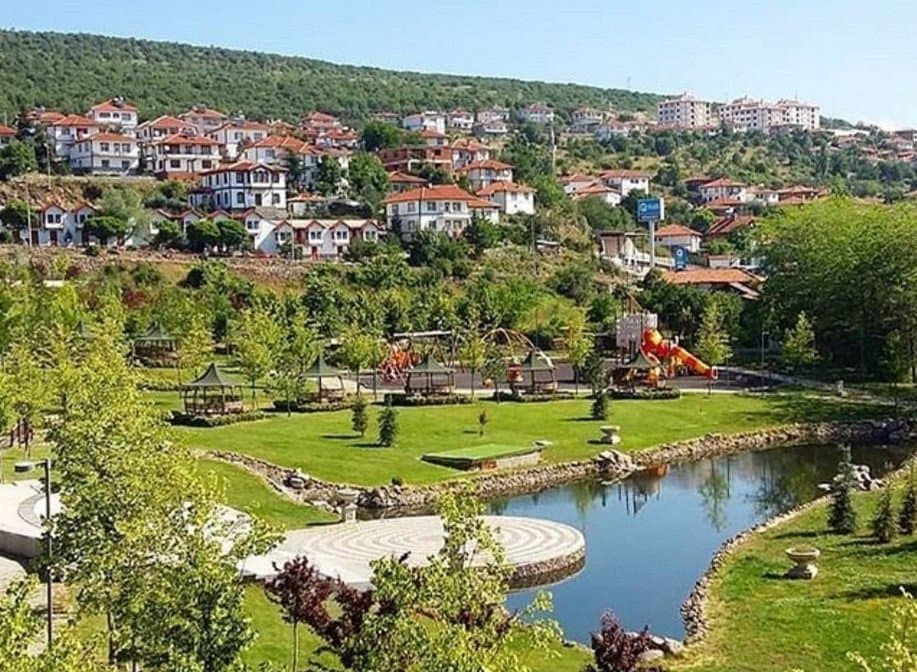
Visitors consistently praise the serene and spiritual ambiance of the tomb complex. Many find the experience enjoyable, especially when combined with the beautiful weather often found in Çamlıdere. Recent renovations have enhanced the site, adding small museums that offer further insight into the region's history and culture. Reviewers also highlight the presence of a small café with stalls showcasing old skills and selling traditional sweets, as well as a tea shop where one can enjoy local pastries like "simit" and "poğaça" with tea, making it a pleasant stop for a break.
For a meaningful visit, allocate about 1-2 hours to explore the tomb, the small museums, and enjoy a refreshment at the café. The best time to visit would be during pleasant weather to fully appreciate the surroundings. While the site is generally well-maintained, some visitors have raised concerns about the significant funds spent on renovations compared to local infrastructure issues like water supply in the village. This suggests that while the site itself is well-presented, visitors might consider the broader context of local development.
The tomb is located on Faith Sk. in Çamlıdere. As Çamlıdere is a smaller town, public transport options might be limited. Visitors typically reach the area by private car or taxi. There is no specific information about direct public transport lines or stations in the reviews, suggesting that personal transportation is the most convenient way to access the site.
While the spiritual experience is generally positive, the main complaint revolves around the allocation of resources for the site's renovation versus the needs of the local community. Visitors might consider this aspect, though it does not directly impact the experience within the tomb complex itself. There are no common complaints regarding the site's accessibility, cleanliness, or visitor services.