The Ahi Museum, or Ahi Müzesi, is dedicated to the Ahi brotherhood, a significant Anatolian socio-economic and religious organization that flourished during the Seljuk and early Ottoman periods. It provides insight into their principles of craftsmanship, ethics, and community life, which played a crucial role in the region's development.
Visitors consistently praise the museum for its informative exhibits and the opportunity to learn about a unique aspect of Turkish history. Reviewers often highlight the well-preserved artifacts, including tools, traditional garments, and documents, which help illustrate the Ahi way of life. The museum is generally described as small but well-curated, offering a focused and engaging experience without being overwhelming. Several visitors appreciate the clear explanations, even if some information is primarily in Turkish, as the visual displays are often self-explanatory.
To make the most of your visit, allocate about 30-60 minutes. The museum is best visited during the cooler parts of the day, especially in summer, as it is indoors. There are no specific items to bring, but a camera might be useful for capturing the exhibits. Visitors suggest combining a visit here with a stroll through Mudurnu's historic streets and other local attractions, as it's a compact town.
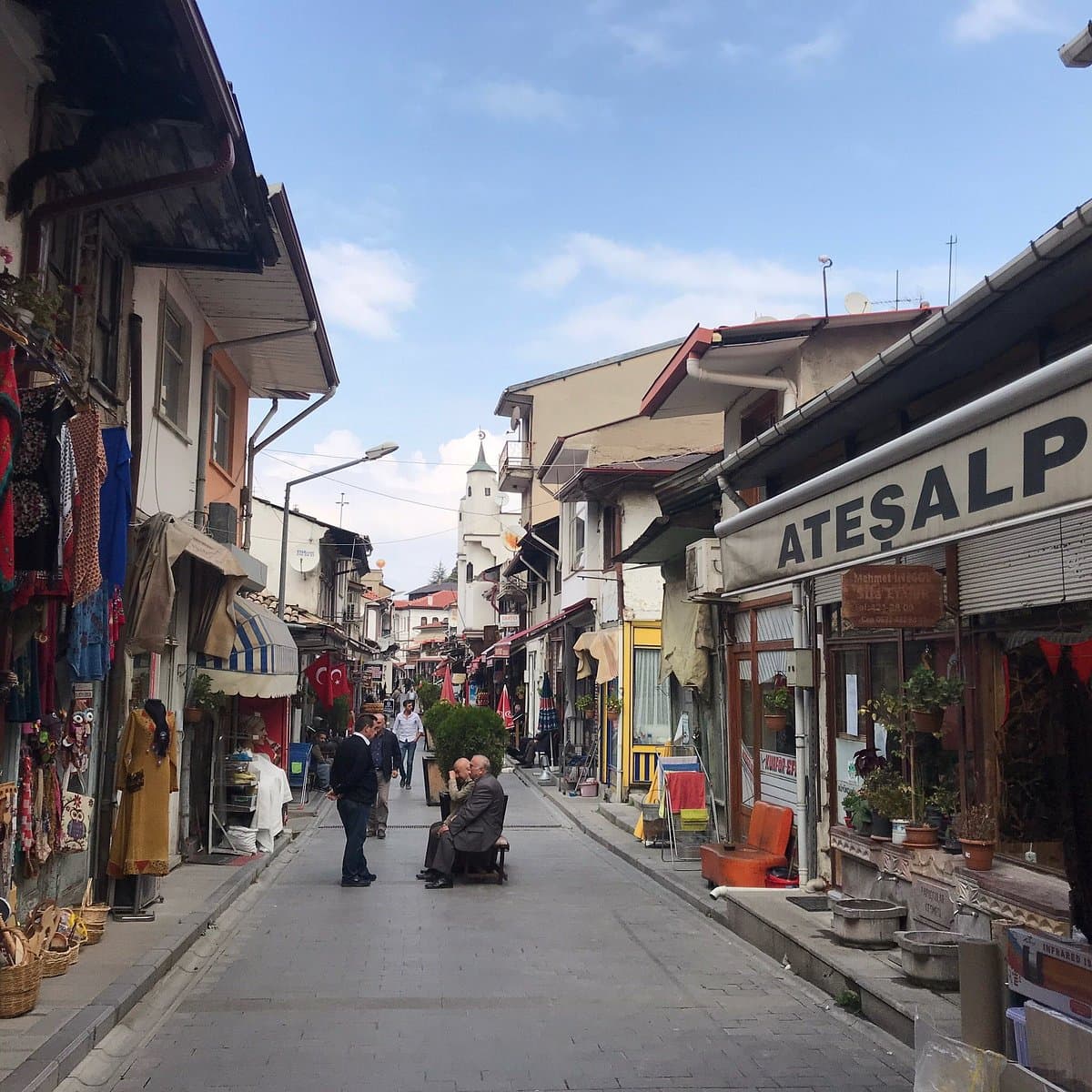
The Ahi Museum is located on Arasta Sokagi in Mudurnu. Mudurnu itself is accessible by car or bus from larger cities like Bolu. Once in Mudurnu, the museum is centrally located within the historic market area, making it easily reachable on foot from most points in the town center. Parking is available in designated areas within Mudurnu, usually a short walk from the museum.
Common complaints are few, mainly revolving around its small size and the limited availability of English explanations for some exhibits. To mitigate this, consider using a translation app for Turkish texts or simply focusing on the visual aspects and the general narrative provided. The museum's modest scale means it's not a full-day attraction, but rather a complementary stop in a broader exploration of Mudurnu.