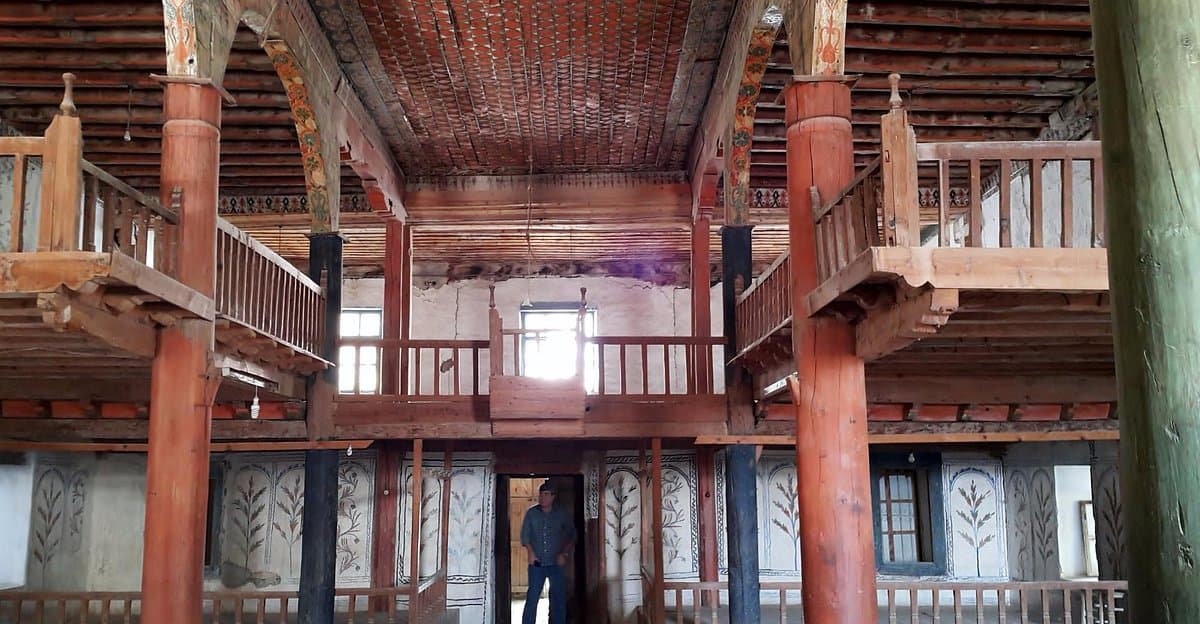
The Boğaziçi Village Mosque, dating back to 1774, stands as a significant historical and architectural landmark within the small village of Boğaziçi, near Baklan in the Denizli province. It is particularly renowned as one of the finest examples of Anatolian painted mosques, a style characterized by its vibrant interior decorations and intricate woodwork. This mosque offers a glimpse into the rich artistic traditions of the Ottoman period in rural Turkey.
Visitors consistently highlight the mosque's beautiful interior, specifically mentioning the detailed woodwork and the colorful wall paintings that adorn its surfaces. Many reviewers describe the experience as discovering a hidden gem, appreciating the well-preserved artistry. Beyond the mosque itself, the welcoming and peaceful atmosphere of the village and its residents is frequently praised, with many noting the helpfulness of locals when seeking directions or information.
To fully appreciate the details of the painted decorations and woodwork, visitors should plan to spend about 30 minutes to an hour inside the mosque. It is best visited during daylight hours to maximize visibility of the interior art. There is no entry fee, making it an accessible cultural stop. Given its location in a small village, it is advisable to bring water or snacks, as amenities might be limited. Dress modestly out of respect for the religious site.
The mosque is located in Boğaziçi village, which is approximately 30 kilometers from Denizli city and about 4 kilometers from Baklan. Several visitors mention that the old mosque is somewhat tucked away behind a newer mosque, which can make it a little challenging to find. It is recommended to use GPS coordinates or ask locals for directions upon arrival in the village. Public transport options to this rural area are likely limited, so traveling by private car or taxi is the most practical way to reach the mosque.
The primary challenge noted by visitors is locating the mosque, as it is not prominently signposted and can be obscured by newer structures. To mitigate this, it is highly recommended to have the exact address or GPS coordinates handy and to be prepared to ask villagers for assistance. The friendly nature of the locals, as reported in reviews, should make this an easy solution.