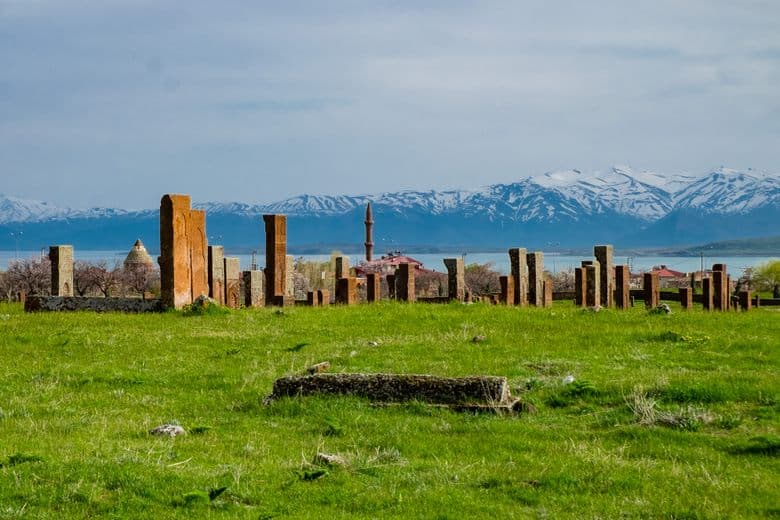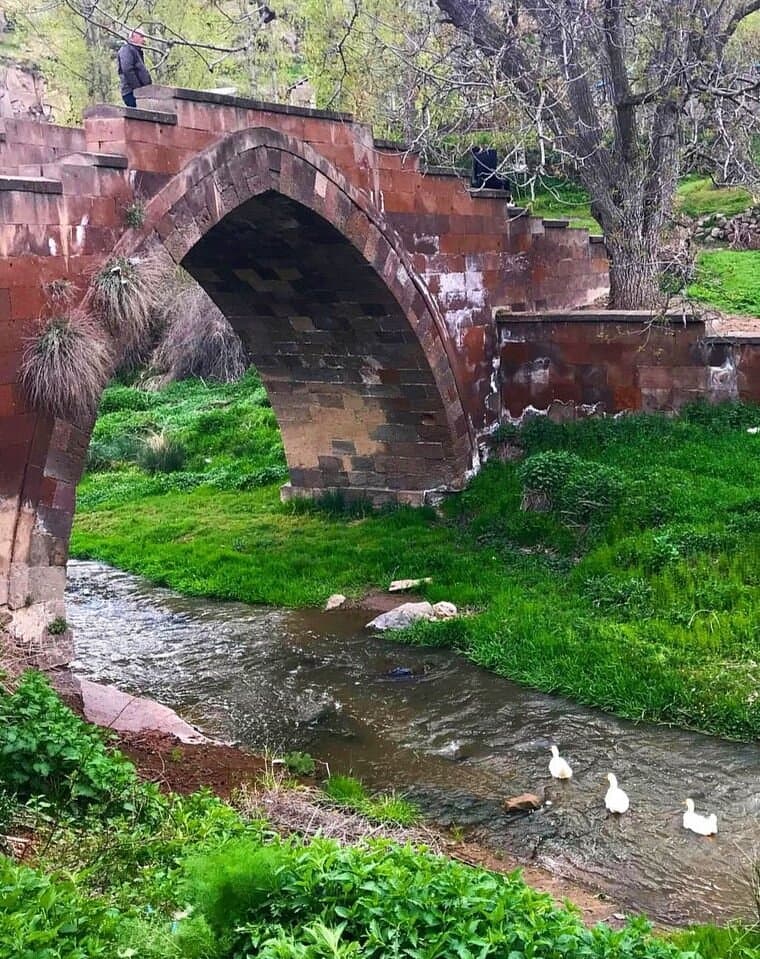
Harabe Sehir, meaning 'Ruined City,' is a historical site near Ahlat that showcases remnants of Seljuk civil architecture. Its primary feature is an ancient bridge, a testament to the engineering prowess of the era, which spans a local stream. The site offers a quiet, contemplative experience, allowing visitors to connect with the historical layers of the region.
Visitors consistently highlight the historical significance of the bridge and its architectural style. While not extensively reviewed, the existing feedback suggests an appreciation for the authenticity and untouched nature of the ruins. It is often seen as an extension of the experience offered by the larger Seljuk Cemetery in Ahlat, providing a broader context of the Seljuk presence in the area.
To make the most of a visit, allocate about 30 minutes to an hour to explore the bridge and its immediate surroundings. The best time to visit would be during daylight hours, preferably in the morning or late afternoon, to enjoy softer light for photography and avoid the midday heat. There are no specific facilities on-site, so it's advisable to bring water and any other necessities. Combining this visit with the nearby Ahlat Seljuk Cemetery is highly recommended to gain a more complete understanding of the historical period.
Harabe Sehir is located behind the Seljuk Cemetery in Iki Kubbe Mahallesi, Ahlat. While specific public transport details are scarce, visitors typically reach Ahlat by bus or private vehicle. From the center of Ahlat, it is a short drive or a longer walk to the cemetery area, and Harabe Sehir is situated just beyond it. Driving is generally the most convenient option for exploring sites around Ahlat.
The main complaint, or rather an observation, is the lack of extensive infrastructure or interpretive signage at the site. Visitors should manage expectations regarding modern amenities or detailed explanations on-site. To mitigate this, it is recommended to research the history of Harabe Sehir and the Seljuk period in Ahlat beforehand to fully appreciate the significance of the ruins.