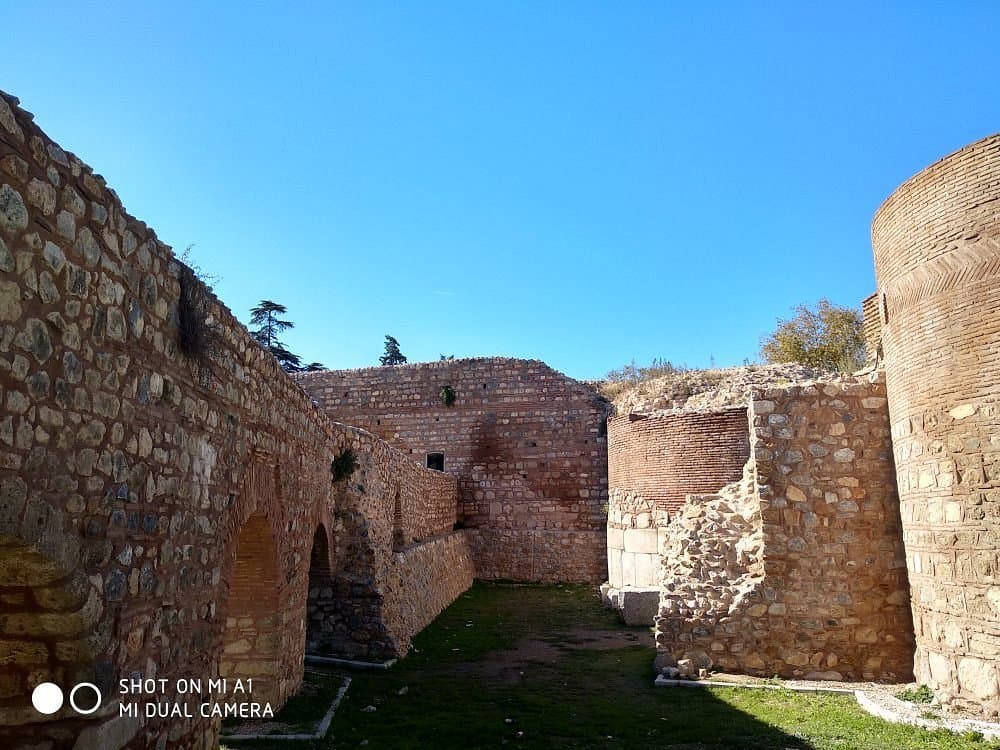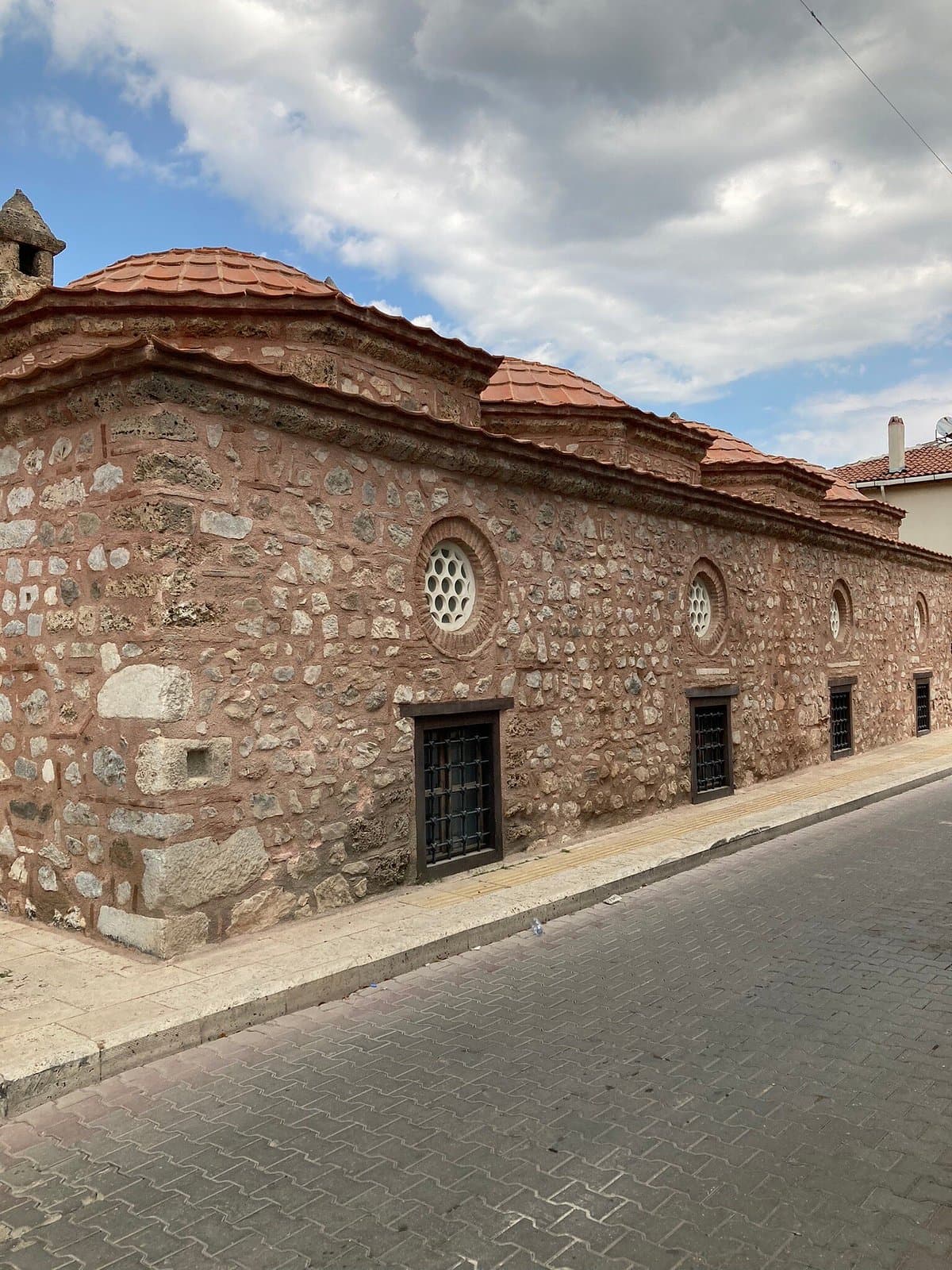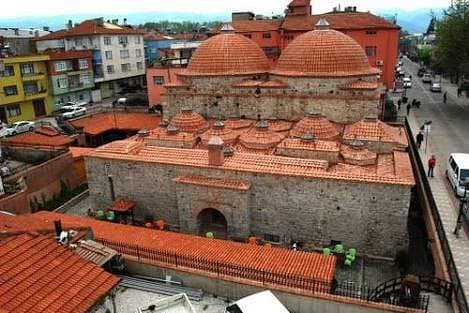
The 1st Murat Bath (Murat Hamamı) is a significant historical landmark in Iznik, dating back to 1388. It stands as a well-preserved example of Ottoman architecture, reflecting the rich heritage of the sultans and the city's past. Originally built as a functional bathhouse, its restoration has allowed it to continue serving as a testament to Iznik's historical layers.
Visitors consistently praise the bathhouse for its beautiful restoration and the historical insights it offers. Many are surprised to discover that beyond its architectural beauty, the structure now houses a collection of independent shops. Reviewers highlight the opportunity to purchase wonderful ceramics from places like İznik Kuvars Çini and explore local olive products at z-6 gida, located in the far corner. The friendly nature of the shopkeepers is also frequently mentioned, enhancing the overall visitor experience. Some visitors express a desire to experience the hamam as a functioning bath, noting its excellent condition, while others appreciate it purely for its historical and commercial reincarnation.
To make the most of your visit, allocate about 1-2 hours, especially if you plan to browse the shops. The best time to visit is during daylight hours to fully appreciate the architectural details and the wares on offer. Consider bringing a reusable bag if you intend to purchase local products. While some wish it still operated as a traditional hamam, its current use as a historical site with local businesses provides a unique blend of culture and commerce.
The 1st Murat Bath is conveniently located on Atatürk Caddesi in Iznik. Visitors arriving by public transport, such as a minibus (dolmuş) from Bursa, will find it easily accessible within the town center. Its central location means it's often within walking distance of other Iznik attractions. Parking options are generally available nearby for those traveling by car.
A common sentiment among visitors is the regret of not having enough time to fully explore or enjoy the site, especially for those on short day trips. To mitigate this, plan your visit with sufficient time, allowing for both architectural appreciation and leisurely browsing of the shops. While some might be disappointed that it no longer functions as a traditional bath, embracing its current role as a historical marketplace can lead to a more fulfilling experience.