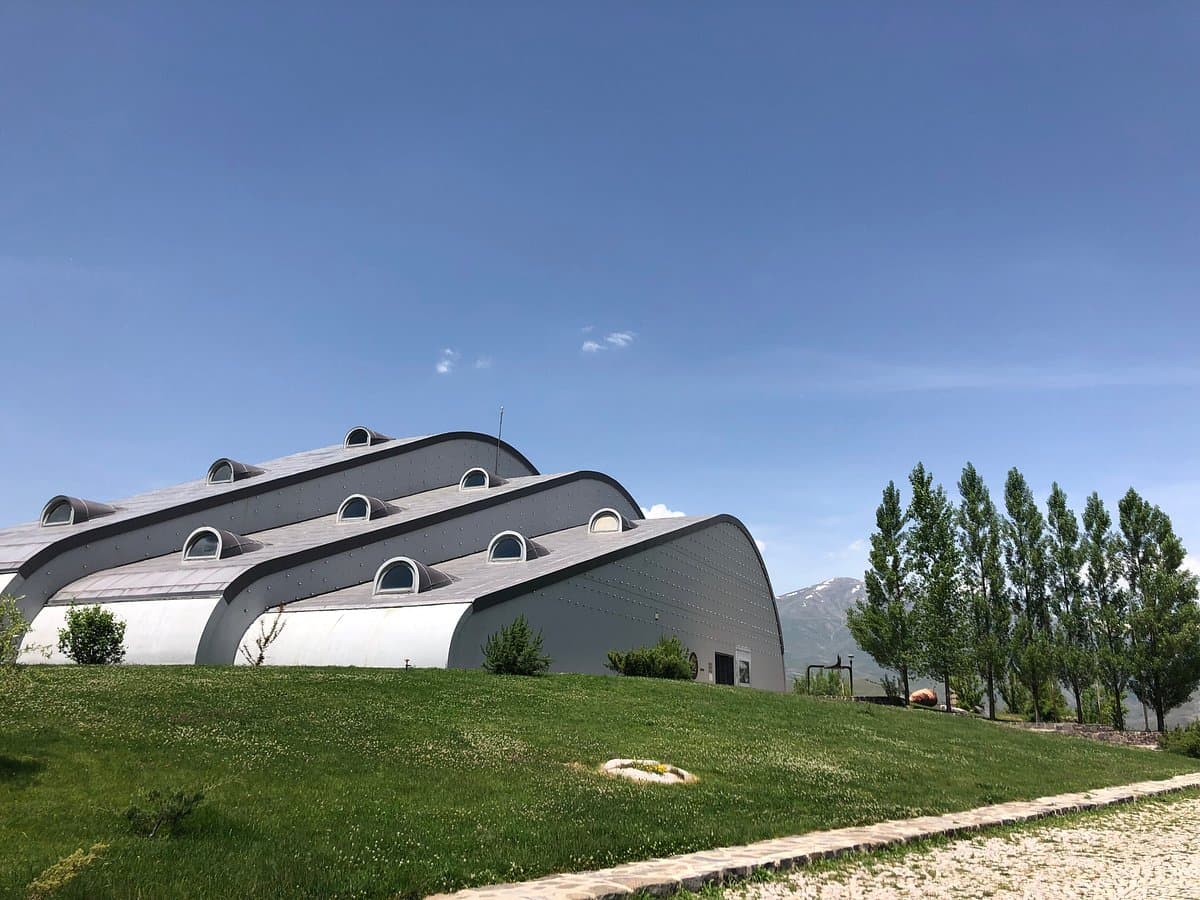
The Baksi Museum is a remarkable cultural project located in the Bayraktar village, 45 km from Bayburt, Turkey. Founded by artist and academic Hüsamettin Koçan, it serves as a bridge between contemporary art and traditional Anatolian folk art, aiming to revitalize the region through culture and education. It's not just a museum but a complex featuring exhibition halls, workshops, a guesthouse, and a library, all designed with a unique architectural vision that harmonizes with its majestic natural surroundings.
Visitors are consistently captivated by the museum's stunning location and its architectural design. Many describe the experience as a "sensational harmony of nature and art," noting how the modern buildings perfectly fit into the rugged mountain landscape, often still snow-capped in early May. The collection itself, which includes sculptures, paintings, and ethnographic details, is highly praised for its quality and the thoughtful curation that blends local traditions with contemporary expressions. Reviewers frequently highlight the founder's incredible vision and the museum's role as a "gem for the region," even earning international recognition as the best museum of modern art in 2014 by the European Council.
To fully appreciate the Baksi Museum, plan to spend at least 2-3 hours exploring the exhibitions and enjoying the views. Some visitors suggest staying at the guesthouse for a more immersive experience. It's advisable to check the museum's website before your visit, especially regarding opening hours and road conditions, as the museum is closed during winter due to snow. Bringing a camera is a must to capture the breathtaking scenery and unique architecture. While one reviewer mentioned some rooms being closed, most find the available exhibits and the overall ambiance deeply rewarding.
Reaching the Baksi Museum requires effort due to its remote location. It is situated approximately 45 km from Bayburt. Visitors typically travel by car, and the journey itself offers scenic views. There is no direct public transport, so a private vehicle or taxi is necessary. The roads leading to the museum can be challenging, especially outside of summer months, so inquire locally about conditions. The museum's isolation is part of its charm, allowing for a tranquil and contemplative experience away from urban bustle.
The primary complaint, albeit rare, is the museum's remote location and the potential for some facilities (like conference halls or libraries) to be closed, which can disappoint visitors expecting full access. To mitigate this, always check the museum's official website or call ahead to confirm current operating hours and available exhibits. Embrace the journey as part of the experience, as the drive through the scenic landscape is often considered a highlight in itself.