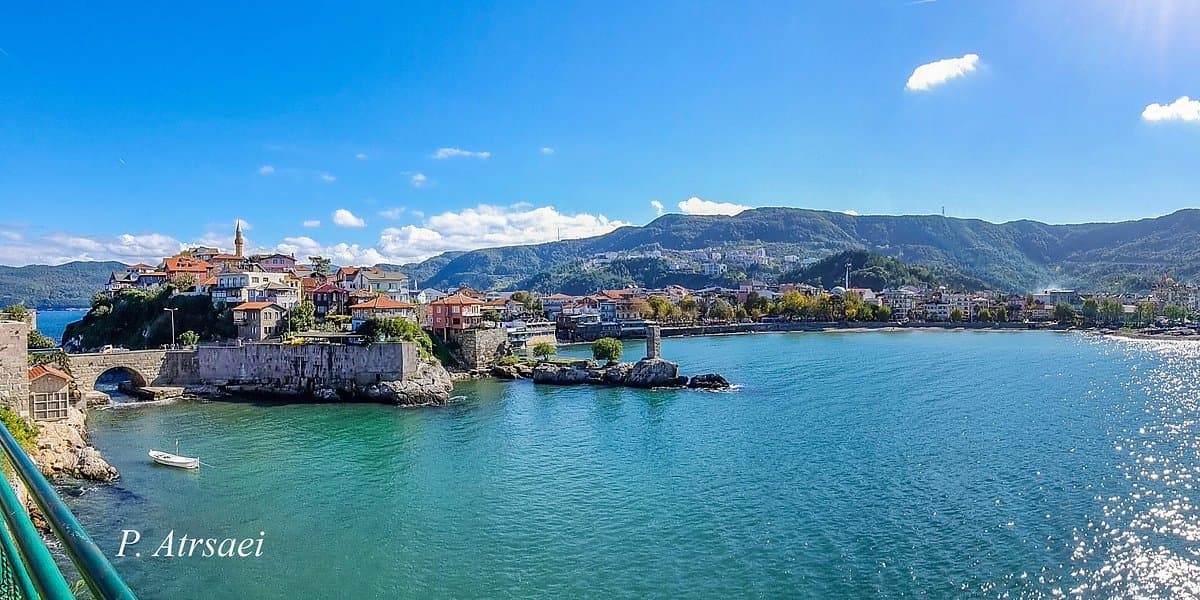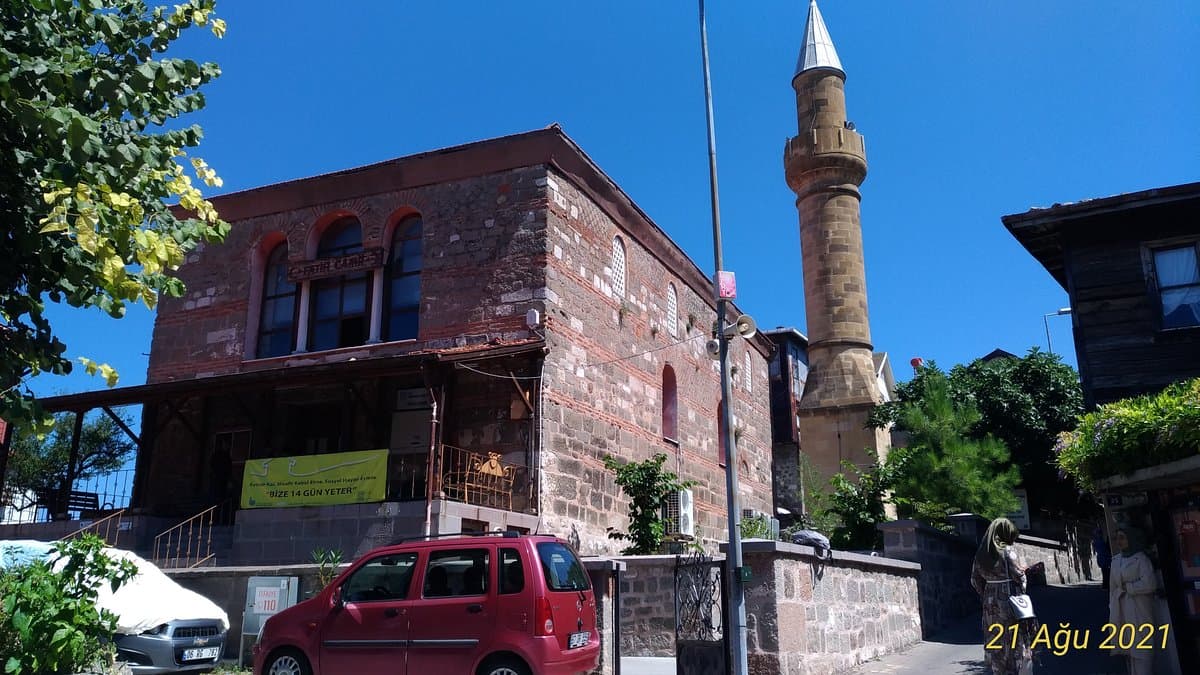
The Fatih Mosque in Amasra holds significant historical value as a former 9th-century Byzantine church, later converted into a mosque by Sultan Fatih the Conqueror in 1460. This transformation mirrors the fate of other prominent religious structures in Turkey, such as the Hagia Sophia in Istanbul, making it a tangible link to the region's complex past. It stands as a testament to the cultural and religious shifts that have shaped Amasra over centuries.
Visitors consistently highlight the mosque's unique architectural blend, where the original church structure is still evident despite its conversion. Reviewers often point out the minaret as a clear later addition, distinguishing it from the older Byzantine foundations. This visible layering of history is a key draw for those interested in historical architecture and the evolution of religious spaces. The mosque's location next to a graveyard and close to the beach also adds to its atmospheric appeal, offering a serene setting for reflection.
To fully appreciate the site, visitors should allocate about 30 minutes to an hour. It's best visited during daylight hours to observe the architectural details clearly. There are no specific items to bring, but comfortable walking shoes are advisable as it's located within the historic Kaleiçi area, which is best explored on foot. Consider visiting in the morning or late afternoon to avoid potential crowds, although the mosque rarely gets overwhelmingly busy.
The Fatih Mosque is situated in Kaleiçi Mahallesi, Kemere Sk. No: 1, Amasra. It is easily accessible on foot if you are already exploring the Amasra Castle or the inner town. Amasra itself is a small coastal town, and most attractions are within walking distance of each other. Parking can be challenging within the narrow streets of Kaleiçi, so it's advisable to park outside the historic core and walk in.
A common observation from visitors is that while the historical significance is high, the interior might be less ornate than purpose-built mosques. Those expecting grand Islamic ornamentation might find it simpler. However, this simplicity is part of its charm, emphasizing its origins as a church. To mitigate any disappointment, approach the visit with an appreciation for its layered history rather than expecting a typical Ottoman mosque design.