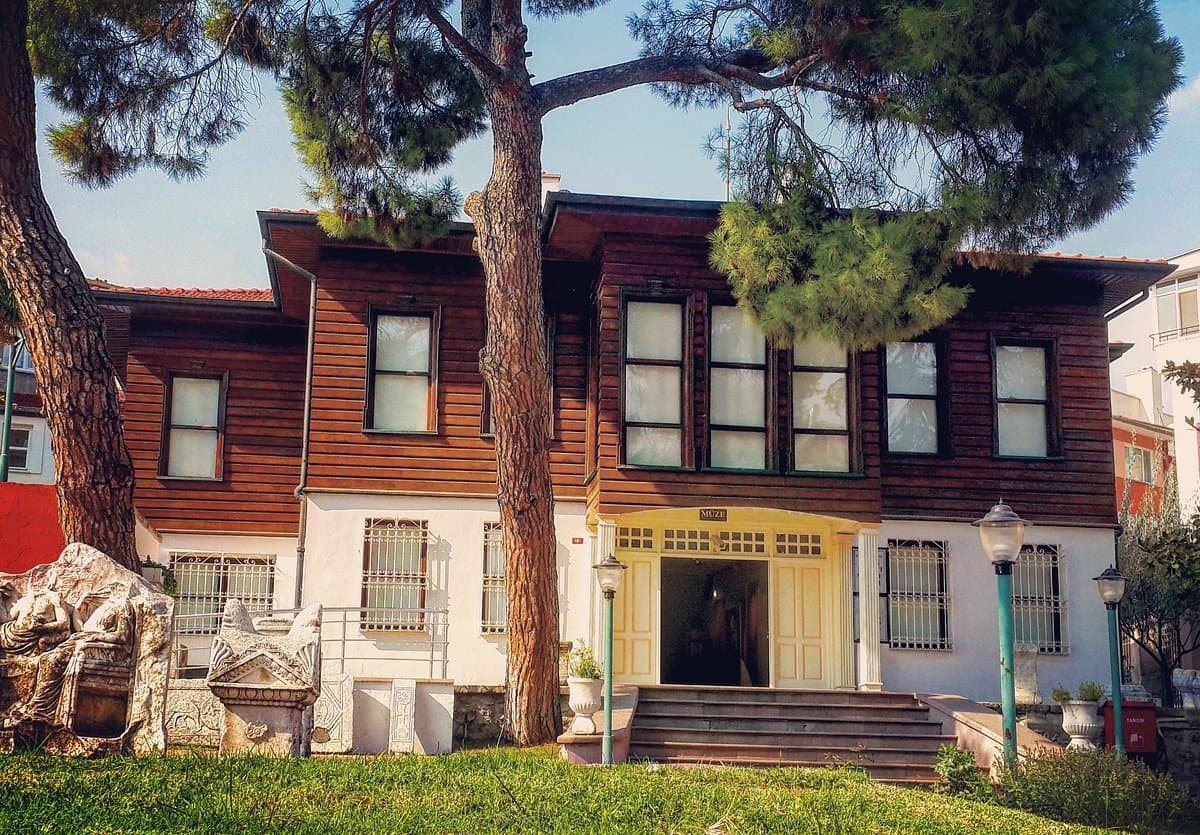
The Balıkesir National Forces Museum, or Kuvayı Milliye Museum, is a significant cultural institution in Balıkesir, housed in the city's former municipality building. It plays a crucial role in preserving and showcasing the region's rich history, particularly its involvement in the Turkish War of Independence, as well as its archaeological and ethnographic heritage.
Visitors consistently praise the museum for its well-preserved historic building and its diverse collections. Many reviewers highlight the sections dedicated to the War of Independence, featuring weapons, uniforms, and photographs related to Atatürk's visits and the city's role in the national struggle. Beyond this, the museum surprises many with its extensive archaeological exhibits, including artifacts from ancient cities like Antandros and Kyzikos, often displayed in the garden and separate rooms. The ethnographic section, showcasing daily items and traditional clothing, also receives positive remarks for offering insights into local life.
To make the most of your visit, allocate approximately 1-2 hours. The museum is generally free to enter, which is a welcome bonus for many. It's best visited during daylight hours to fully appreciate the exhibits. While the museum itself is not overly large, the variety of collections means you can spend a good amount of time exploring. Consider combining your visit with a stroll around the city center, as the museum is centrally located.
The museum is situated downtown on Anafartalar Cad., right next to the replica clock tower and very close to the Hilton hotel. Its central location makes it easily accessible on foot from most points in the city center. While some visitors mention that parking can be challenging in the immediate vicinity, its central position means public transport or a short walk is often the most convenient option.
A common observation from visitors is that despite its name, the museum's collection extends far beyond just the National Forces, encompassing significant archaeological and ethnographic sections. While this diversity is generally seen as a positive, those expecting a purely military history museum might be surprised. Embrace the broader scope to fully appreciate the museum's offerings.