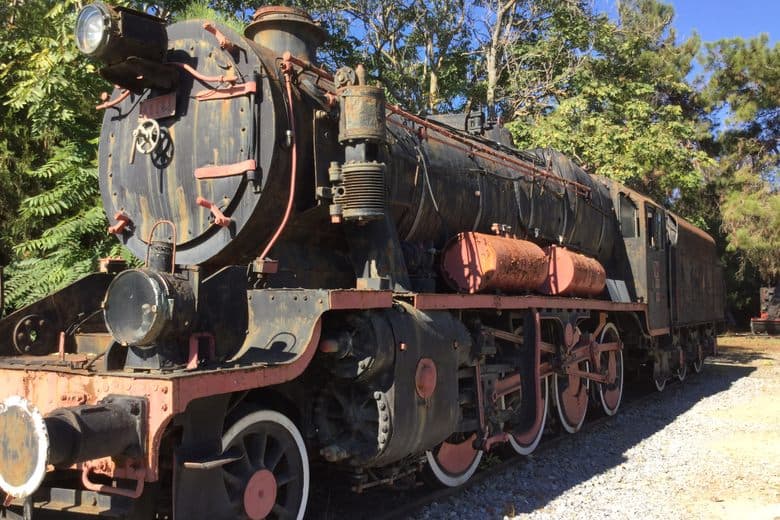
The Çamlık Railway Museum, often described as one of the largest open-air railway museums in Europe, offers a fascinating journey into the history of steam locomotion. Situated on an abandoned stretch of 19th-century railway tracks, it showcases an impressive collection of over 30 steam engines dating from 1891 to 1951. This unique setting, combined with the historical significance of the exhibits, makes it a compelling destination for anyone interested in industrial heritage or simply seeking an unusual and picturesque attraction.
Visitors consistently praise the museum's photogenic qualities, with many describing it as a "photographer's dream" due to the rustic charm of the old locomotives. The ability to climb on some of the engines is a highlight for many, offering an interactive experience not typically found in museums. Reviewers often mention the peaceful and uncrowded atmosphere, which allows for leisurely exploration and photography. The presence of Atatürk's private rail carriage is another frequently cited point of interest, adding a layer of national historical importance to the collection.
To make the most of your visit, allocate approximately 2-3 hours to explore the grounds thoroughly. Comfortable shoes are recommended as the museum is outdoors and involves walking on uneven terrain. While there's a restaurant on-site, it's advisable to bring water, especially during warmer months, as the museum is largely exposed to the elements. The best time to visit is during the cooler parts of the day, such as the morning or late afternoon, to avoid the midday heat, particularly in summer.
The museum is located in Çamlık village, near Selçuk. The most recommended way to get there is by dolmuş (shared minibus) from Selçuk. Visitors suggest writing down the destination for the driver if Turkish is not your first language, as the dolmuş stops directly outside the museum. Taxis are an option but are considerably more expensive, and some visitors have noted that having a taxi wait can add pressure to your visit duration. There is ample parking available if you choose to drive.
A common observation from visitors is that the museum, while historically rich, could benefit from more detailed signage in English. While the visual appeal of the locomotives is undeniable, those seeking in-depth technical or historical information might find the explanations somewhat limited. To mitigate this, consider doing some preliminary research on Turkish railway history or the specific locomotive models before your visit to enhance your understanding and appreciation of the exhibits.