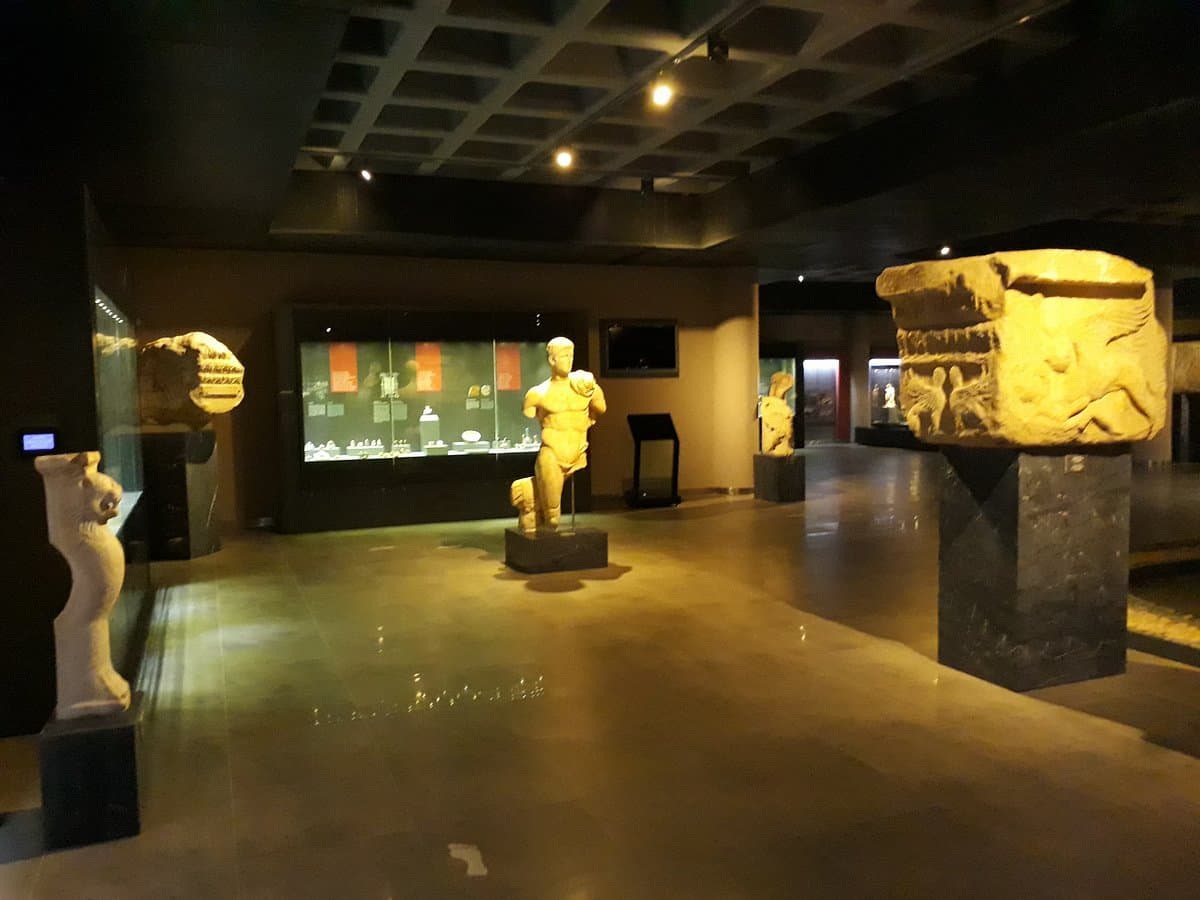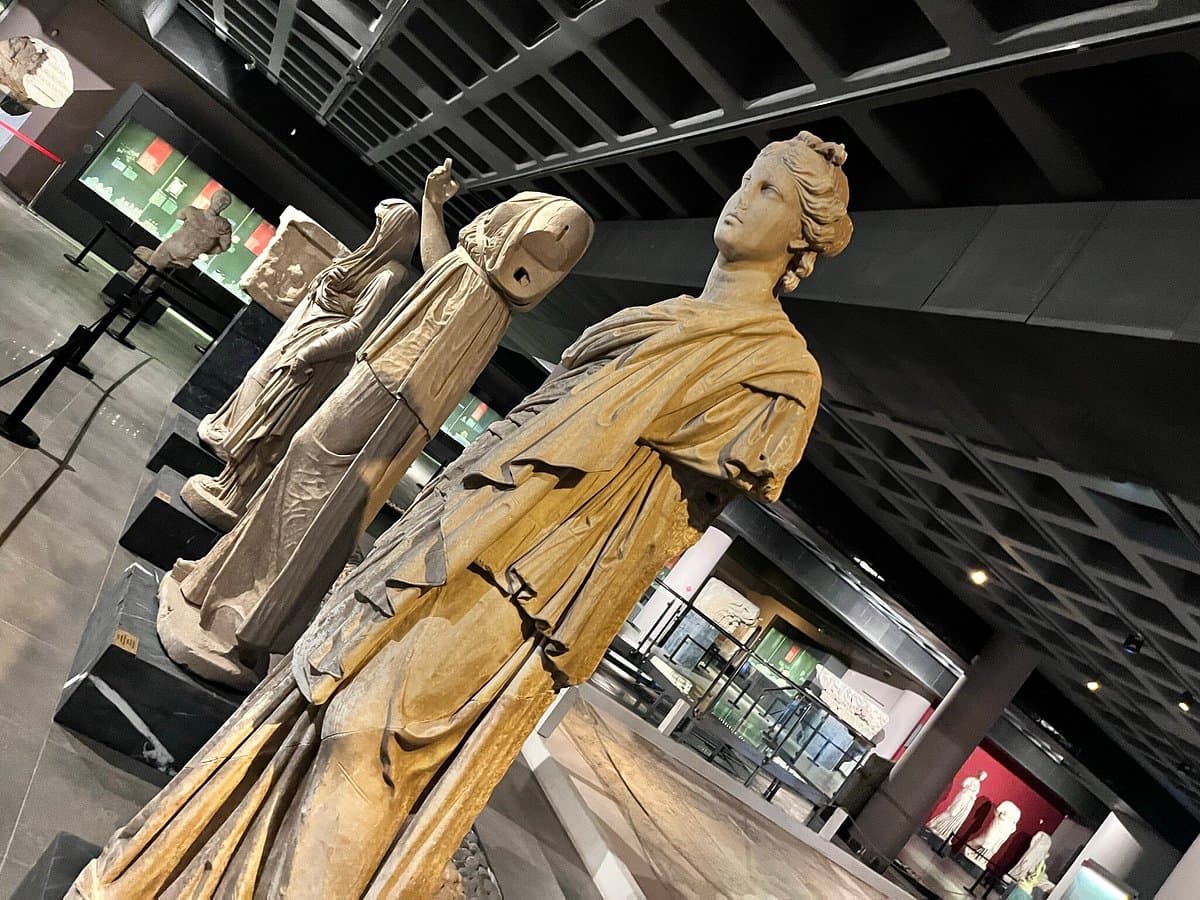
The Aydın Archaeology Museum serves as a vital repository for archaeological finds from Aydın and its surrounding ancient cities, such as Tralleis, Magnesia, and Nysa. It offers a focused look at the rich history of the region, showcasing artifacts that span various periods, from prehistoric times through the Roman and Byzantine eras. The museum plays a crucial role in preserving and presenting the cultural heritage of Western Anatolia.
Visitors consistently praise the museum for its well-arranged displays and the quality of its exhibits. Reviewers highlight the impressive sarcophagi on the upper floor and the intricate details of items like the 'Golden King's Crown' and small Eros statues on the ground floor. Many appreciate finding unique items not commonly seen in other museums, suggesting a distinct local flavor to the collection. However, some visitors note that the museum is relatively small, which might influence the expected duration of a visit.
To make the most of your visit, plan for about 1-2 hours. The museum is generally quiet, making it a pleasant experience at any time of day. Consider purchasing a museum card if you plan to visit multiple historical sites in Turkey, as it can offer significant savings on entry fees. While the museum is not extensive, its focused collection means you can comfortably explore all exhibits without feeling rushed. There are no specific items to skip, as the entire collection is curated to provide a coherent narrative of the region's past.
The museum is located at Muze Blv. No:4, Ilıcabaşı Mahallesi, Aydın. While specific public transport details are not frequently mentioned in reviews, its central location within Aydın suggests it is accessible by local buses or taxis. If driving, check for nearby parking options, though the area is generally manageable. It's advisable to confirm the exact address and any local transport routes before your visit.
The primary complaint among visitors is the museum's relatively small size. To mitigate this, adjust your expectations and focus on appreciating the quality and uniqueness of the artifacts rather than anticipating a vast, sprawling institution. The compact nature can also be an advantage, allowing for a thorough exploration without feeling overwhelmed.