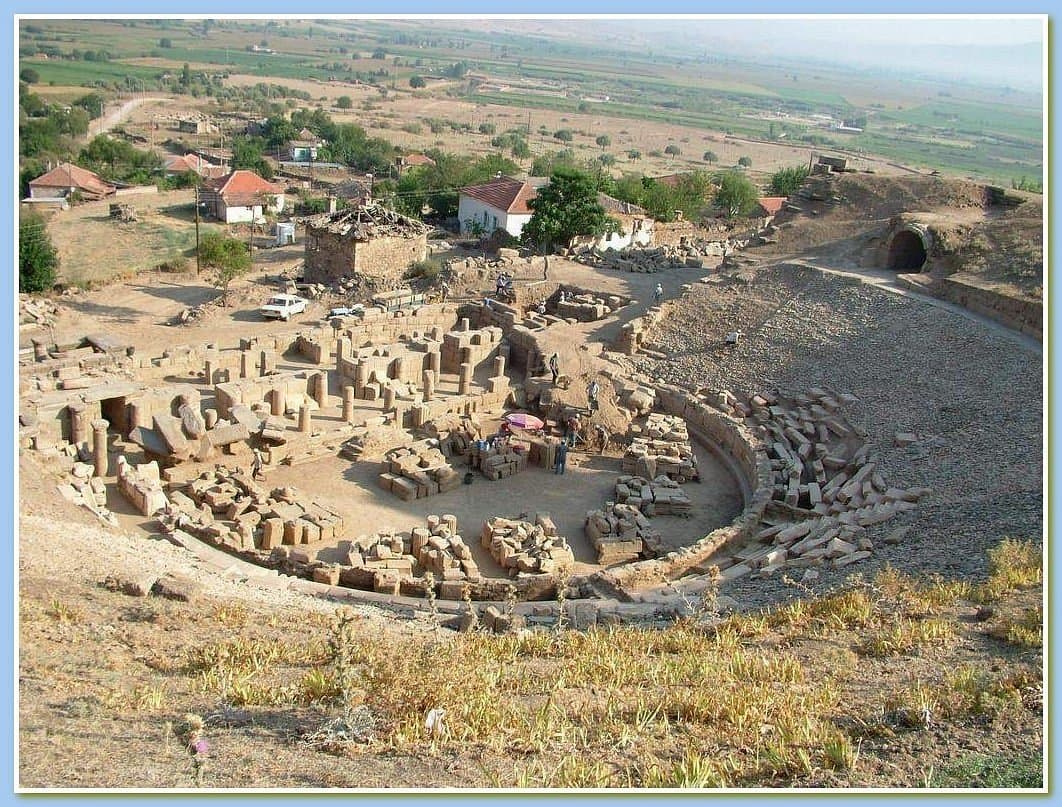
The Alabanda Ruins represent the remains of an ancient Carian city, notable for its significant theater and ongoing archaeological work. While not as grand or well-preserved as some other ancient sites in Turkey, it offers a quiet, contemplative experience for those interested in less-frequented historical locations. The site's importance lies in its historical context as a Carian settlement and the insights it provides into ancient urban planning and architecture, particularly its drainage systems and public buildings.
Visitors consistently highlight the impressive scale of the theater, even in its ruined state, and the scenic views it offers over the valley. Many reviewers mention the sense of discovery as they explore the scattered remains, including parts of the agora and a well-preserved bouleuterion (council house) or small theater. The site is largely uncommercialized, which some find appealing, offering a more authentic and less crowded experience compared to major attractions. However, this also means a lack of amenities and clear signage.
To make the most of your visit, it's advisable to bring plenty of water, especially during warmer months, as there are no facilities on site. Wear comfortable shoes suitable for walking over uneven terrain and through fields. A visit of 1-2 hours is generally sufficient to explore the main areas. Early morning or late afternoon visits are recommended to avoid the midday heat and enjoy better light for photography. Given the lack of clear information boards, consider researching the site beforehand or bringing a guide to fully appreciate its historical significance.
Reaching Alabanda can be a bit challenging due to inconsistent signage. The ruins are located near the modern village of Doğanyurt, close to Çine. While there are brown tourist signs for Alabanda on the main road in Çine, subsequent directions can be vague. Reviewers suggest using "Alabanda Tiyatro" (Alabanda Theater) in navigation apps like Google Maps, as this might lead you more directly to the main site. The ruins are spread across fields on both sides of the road running through the ancient city, so keep an eye out for stone columns and scattered blocks. A car is essential for reaching this site, as public transport options are virtually nonexistent.
The primary complaint from visitors is the lack of clear signage and information on site, making it difficult to understand what you are seeing without prior research. To mitigate this, download maps or information about Alabanda before your visit. Another common issue is the dispersed nature of the ruins, requiring some walking through fields which might be overgrown. Be prepared for a rustic experience rather than a manicured archaeological park.