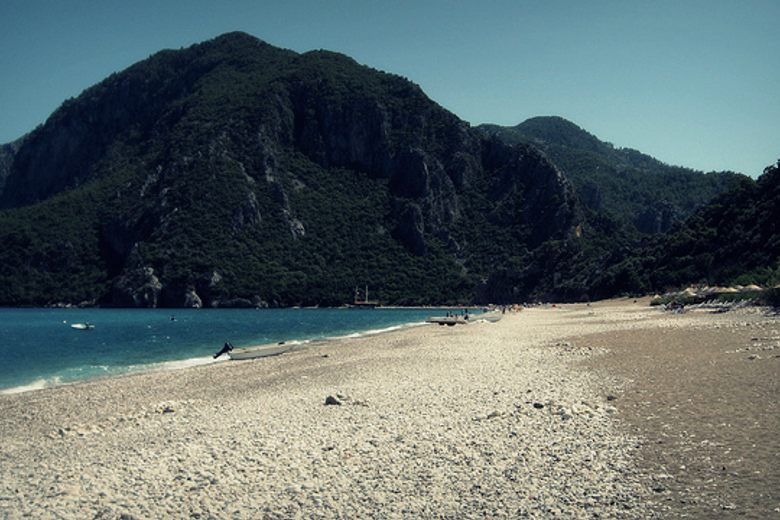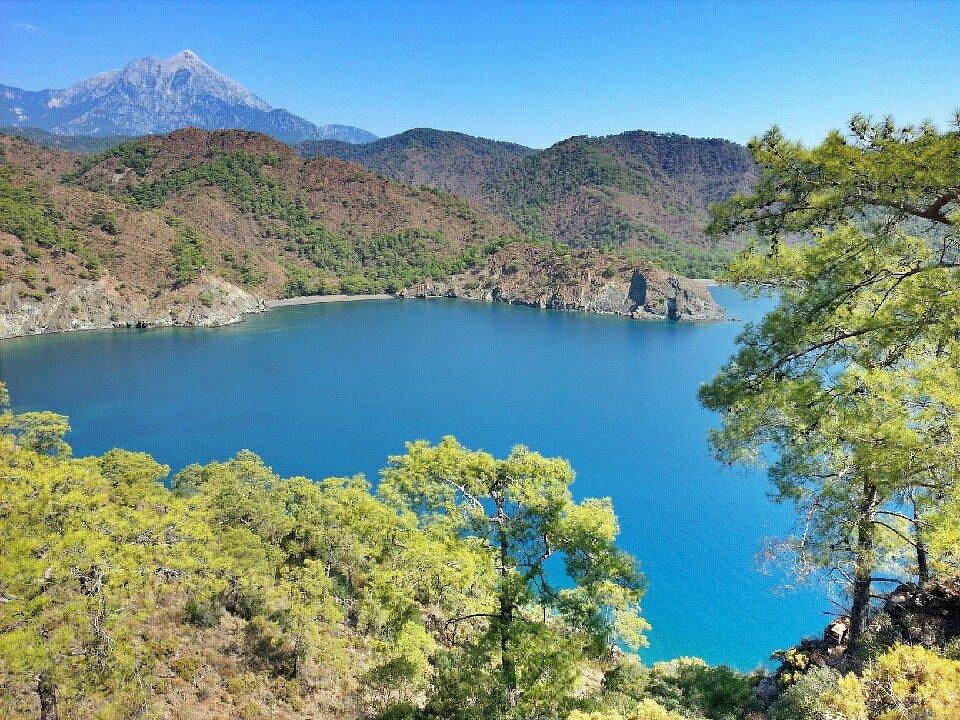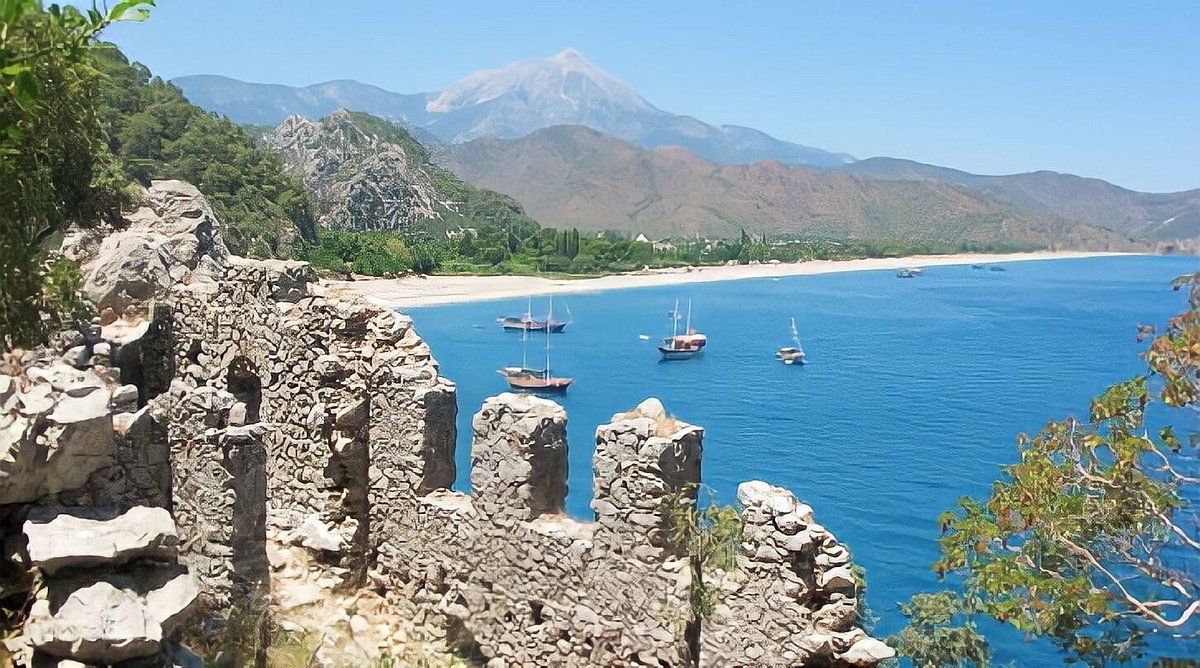
The Olympos Archeological Site is the sprawling remains of an ancient Lycian and Roman city, uniquely situated in a lush river valley that flows directly into the Mediterranean Sea. Unlike many meticulously restored sites, Olympos retains a wild, overgrown charm, with ruins peeking out from dense vegetation. This natural setting, combined with its historical significance as a former pirate haven and a key city of the Lycian Federation, makes it a captivating destination for those interested in history, nature, and a touch of adventure.
Visitors consistently praise the site's stunning natural beauty and its direct access to a beautiful, often secluded, pebble beach. Many reviewers highlight the joy of wandering through the ruins, feeling like an explorer discovering hidden gems. The blend of history and nature, with the opportunity to swim in the sea after exploring, is a recurring positive theme. However, a common point of contention is the state of preservation and interpretation. Several visitors note that the ruins are not as well-preserved or clearly explained as other major sites in Turkey, with some areas closed for ongoing excavations or simply overgrown. This can lead to a need for imagination to fully appreciate the historical context.
To make the most of your visit, wear sturdy, comfortable shoes suitable for uneven, rocky paths, as the site involves a lot of walking and some climbing. Many suggest bringing swimwear and a towel to enjoy the beach, which is a significant draw. Allocate at least 2-3 hours to explore the ruins thoroughly, plus additional time if you plan to relax on the beach. The best time to visit is in the morning or late afternoon to avoid the midday heat, especially during summer. Some reviewers recommend bringing your own water and snacks, though there are cafes near the entrance and on the beach. If you plan multiple visits or are staying in the area, inquire about multi-day passes or museum cards, as these can offer significant savings compared to single-entry tickets.
The site is accessible from both the Olympos village side and the Cirali beach side. From Cirali, many visitors walk along the beach to reach the entrance. If driving, there is parking available, though some reviewers mention it can be chaotic and may incur an additional fee. Public transport options are less direct; some visitors mention taking a bus from Antalya to the Olympos junction, followed by a dolmuş or taxi to the site. Be prepared for a wiggly drive through the mountains if coming by car.
A frequent complaint revolves around the entrance fee, particularly for non-Turkish citizens, with some feeling it's disproportionately high given the level of restoration and signage. There are also reports of confusion regarding ticket types, with some visitors unknowingly paying for a single entry when a multi-day pass or a cheaper 'camping access' ticket might have been more appropriate. To mitigate this, clearly state your intentions at the ticket booth (e.g., if you only want beach access or plan multiple visits) and ask about all available ticket options. Be aware that during off-season or periods of active excavation, some parts of the site might be closed, yet full price may still be charged; it's advisable to check current conditions if possible.