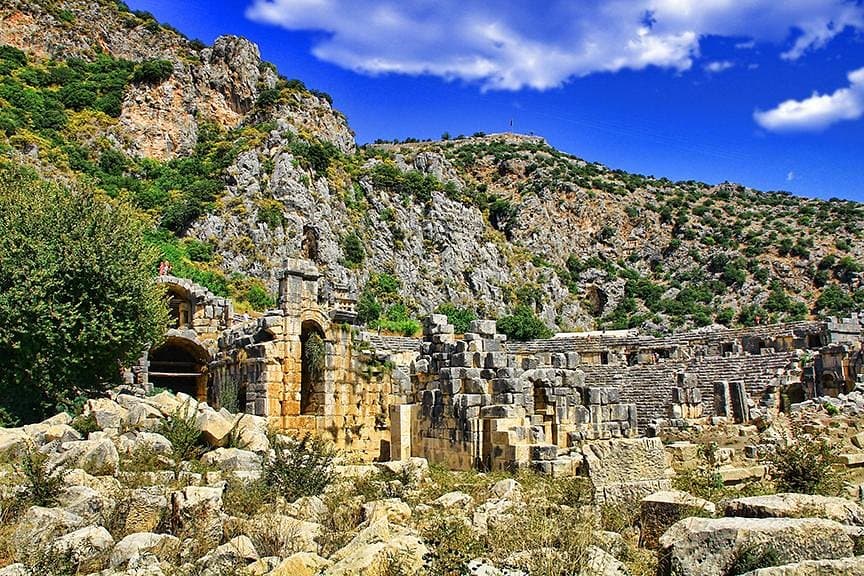
Myra Ancient City, known locally as Myra Antik Kenti, is a significant archaeological site in Demre, Antalya Province, Turkey. It was one of the six most important cities of the Lycian League and is renowned for its remarkably preserved Roman theater and the unique Lycian rock-cut tombs carved into the cliffs above it. The site offers a profound connection to ancient civilizations, showcasing architectural prowess and funerary customs that date back to the 4th century BCE.
Visitors consistently praise the awe-inspiring nature of the rock tombs, often described as looking like houses carved into the mountainside. The Roman amphitheater is also a major highlight, with many reviewers noting its excellent condition and impressive size, capable of holding up to 10,000 spectators. The intricate theatrical masks carved in stone throughout the site are another frequently mentioned detail that adds to the historical richness. Many find the combination of the theater and the necropolis in one compact area particularly striking and photogenic. While the site itself is not vast, visitors feel there is a substantial amount to see within the accessible areas, often recommending an audio guide to fully appreciate the history and cultural significance.
To make the most of your visit, plan for 1 to 1.5 hours. Arriving early in the morning is highly recommended, especially during peak season or warmer months, to avoid crowds and the intense heat. Several reviewers mention that tour buses, often filled with Russian groups, tend to arrive around 10:30 AM, making the site much busier. Bringing sunglasses and comfortable walking shoes is advisable, as the terrain can be uneven and the stone surfaces potentially slippery if wet. While there are shops and cafes leading up to the entrance, some visitors suggest bringing your own water to avoid overpriced refreshments. Be aware that some areas may be closed due to ongoing excavations or restorations.
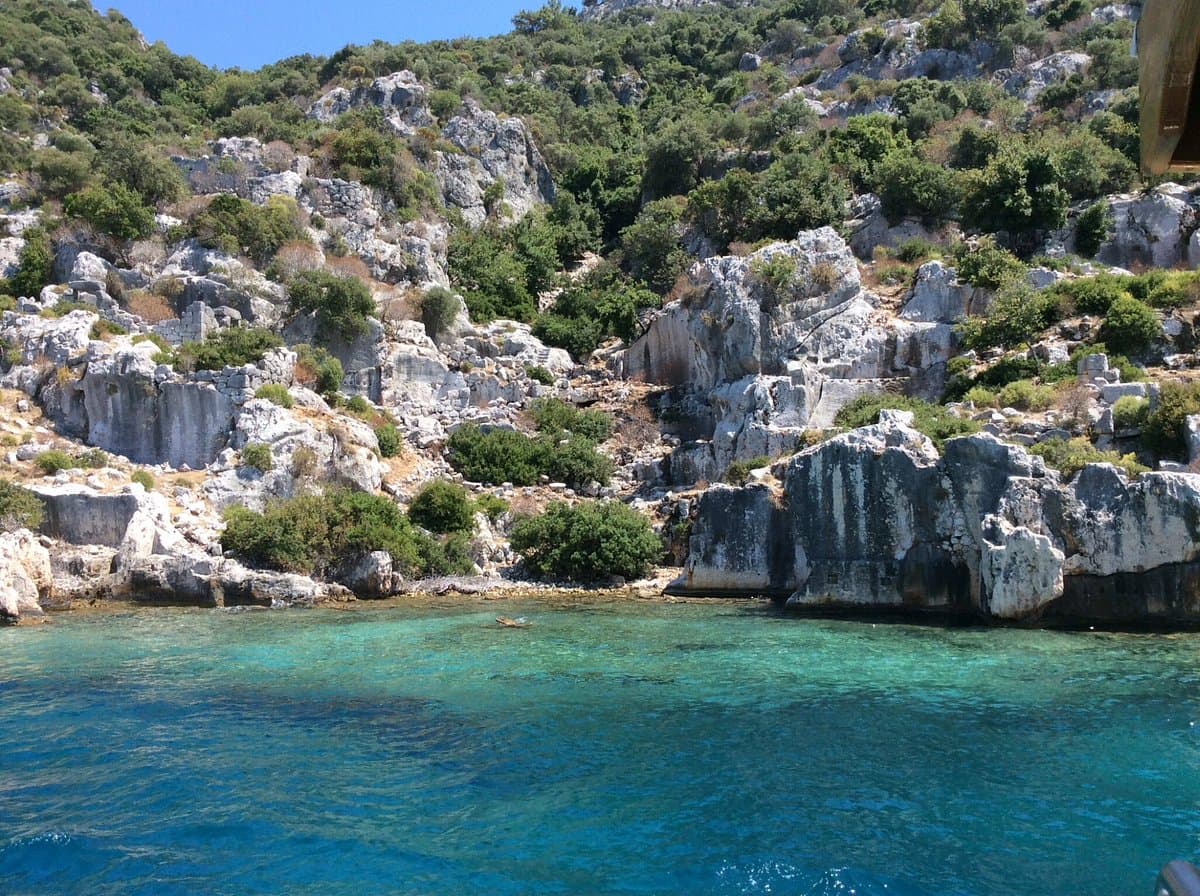
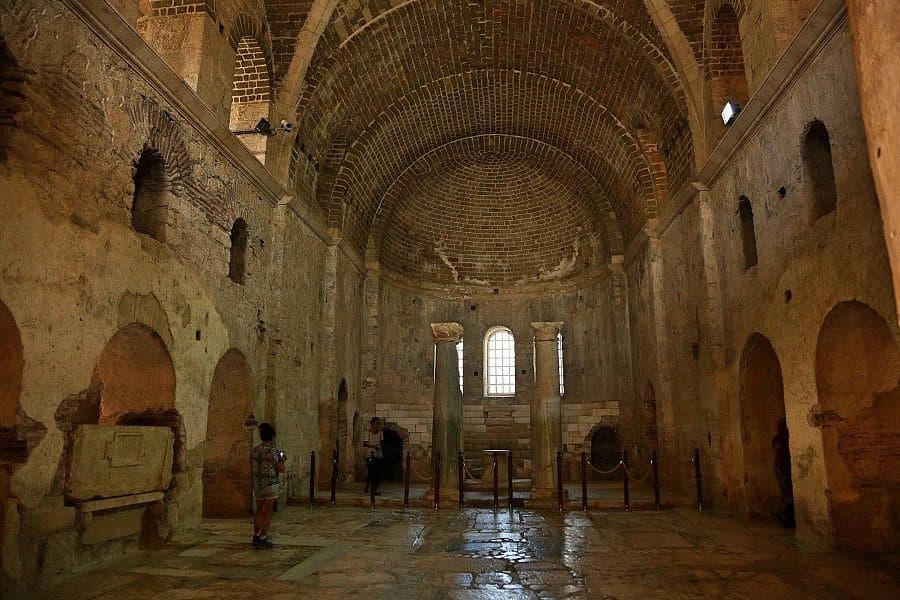
Myra Ancient City is easily accessible by car, located just off the D400 coastal road in Demre. Reviewers note that there is free parking available directly at the site, though some local vendors may try to redirect you to their private, paid parking areas – ignore these and proceed to the official free parking. The site is often visited as part of a day trip combined with the St. Nicholas Church and a boat trip to Kekova, particularly for those staying in the Antalya or Kemer regions. While it's a significant drive from places like Side (4-5 hours), it's a much more manageable 1.5-hour drive from Kalkan or Cirali.
A common complaint among visitors, particularly non-Turkish tourists, is the relatively high entrance fee (€13 or 300 TL) compared to other ancient sites in Turkey, especially given the perceived small size of the explorable area. Some feel that much of the site, particularly the upper rock tombs, can be seen from outside the paid area. There are also reports of issues with payment methods, such as POS systems being out of order or euros not being accepted, so it's wise to carry Turkish Lira. To mitigate the cost, consider purchasing a Museum Pass if you plan to visit multiple sites across Turkey, as this can offer significant savings. Despite these concerns, most visitors agree that the unique beauty and historical importance of Myra make it a worthwhile experience.