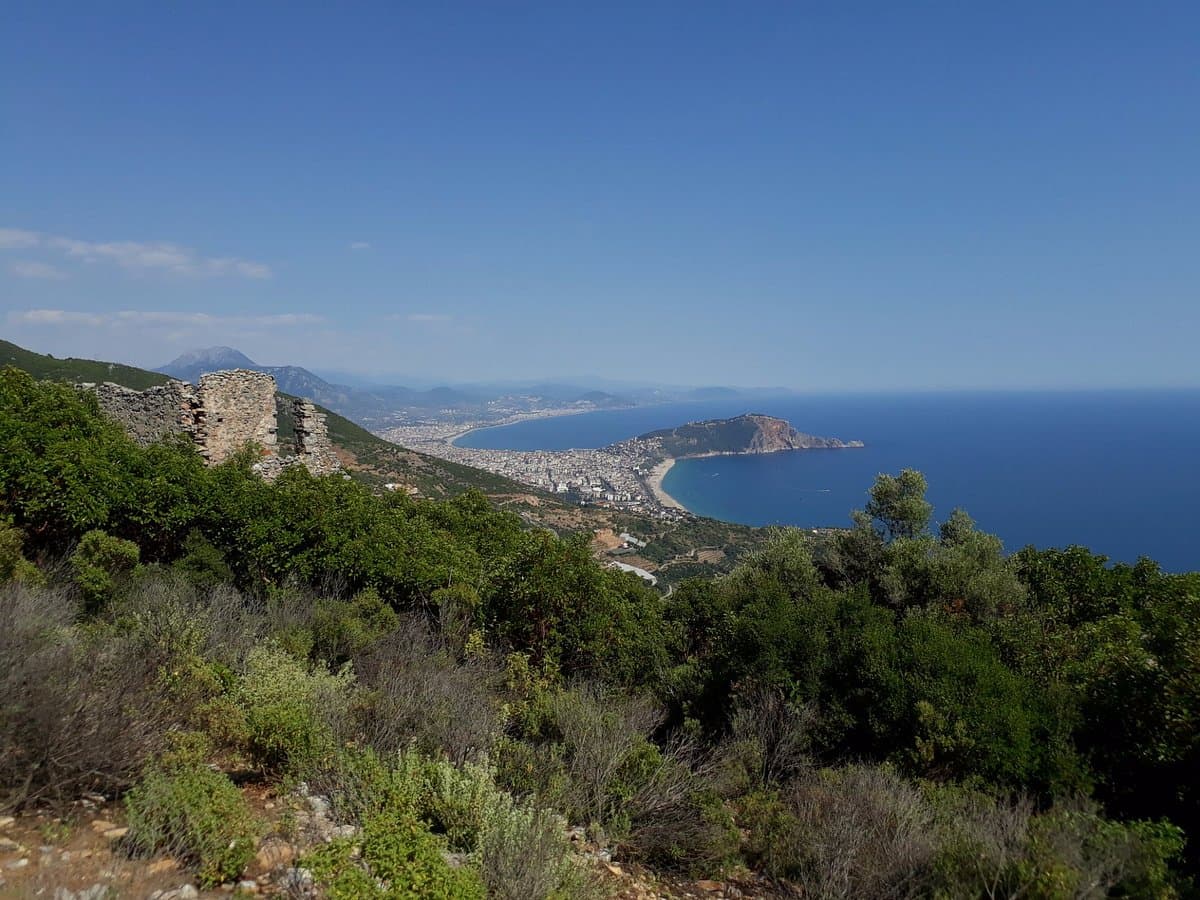
Hamaxia, also known as Hamaxsia Castle or the Flea Castle, is an ancient settlement offering a glimpse into the past amidst a natural setting. While not as grand or well-preserved as more famous sites, it provides a tranquil experience for those interested in exploring lesser-known archaeological remains.
Visitors consistently highlight the unique combination of nature and ancient ruins. Reviewers appreciate the sense of discovery that comes with visiting a site that is not heavily commercialized. The free entry is a significant draw, allowing exploration without an additional cost. However, some visitors note that the artifacts can appear "dirty" or unkempt, suggesting that the site is not extensively maintained or interpreted.
To make the most of a visit, it is advisable to wear comfortable shoes suitable for uneven terrain, as the site involves walking among ruins. Bringing water and snacks is also recommended, as there are no facilities on site. A visit typically takes 1-2 hours, allowing enough time to explore the ruins and enjoy the surrounding views. The best time to visit would be during cooler parts of the day, such as early morning or late afternoon, to avoid the heat, especially during summer months.
Reaching Hamaxia requires some navigation. While some sources suggest going through Elikesik, visitors recommend taking a more eastern small dirt road directly from the D-400 highway. Navigation apps like Map.me are cited as helpful for finding the correct route. The road, though small and steep, is generally manageable with an ordinary car, leading directly to the top where parking is available. Due to the unpaved and potentially challenging road conditions, public transport is not a viable option, and a private vehicle or taxi is necessary.
The primary complaint revolves around the difficulty of access and the lack of clear signage or interpretation at the site. To mitigate this, it is crucial to use a reliable navigation system and be prepared for unpaved roads. Managing expectations regarding the level of preservation and interpretation of the ruins will also enhance the experience, as the site offers more of an exploratory adventure than a curated historical exhibit.