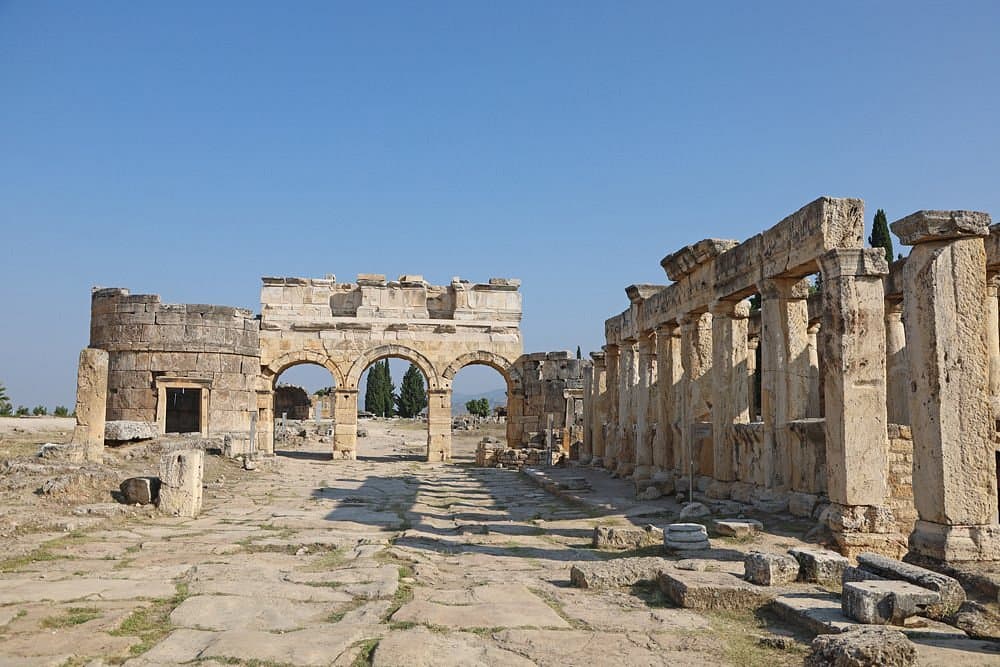
The Anatolia Cemetery, more accurately known as the Necropolis of Hierapolis, is one of the largest and best-preserved ancient cemeteries in Anatolia. It served as the final resting place for many who came to Hierapolis seeking healing from its thermal springs, often spending their last days there. This vast necropolis offers an unparalleled opportunity to witness diverse ancient burial traditions, with thousands of tombs ranging from simple graves to elaborate sarcophagi, house-formed, temple-formed, and rare round tumulus structures.
Visitors consistently praise the sheer scale and variety of the tombs, noting the fascinating architectural styles and the sense of history that permeates the site. Many find it a peaceful and thought-provoking experience, especially when compared to the more crowded thermal pools. The opportunity to wander freely among the ancient structures and touch history directly is a recurring highlight. Reviewers often mention the impressive preservation of many tombs, despite centuries of earthquakes. The site's location on a hillside also provides beautiful panoramic views of the surrounding area, making it a rewarding walk for those interested in both history and scenery.
To make the most of your visit, allocate at least 2-3 hours to explore the necropolis thoroughly. Many visitors recommend bringing plenty of water, wearing a hat, and applying sunscreen, especially during warmer months, as the area offers little shade. Comfortable walking shoes are essential due to the extensive walking required. While some bilingual placards are present, several reviewers strongly suggest hiring a guide or doing some research beforehand to fully appreciate the historical significance and symbolism of the various tombs. Visiting in the early morning or late afternoon can provide more pleasant temperatures and excellent photographic opportunities, particularly at sunset.
The Necropolis is located within the Hierapolis-Pamukkale World Heritage Site. Access is typically through the North Gate of Hierapolis. From the main entrance of Pamukkale (near the travertine terraces), visitors can walk up through Hierapolis towards the northern end where the necropolis is situated. The entire complex is accessible via a single entrance fee. Some visitors mention taking a shuttle within the site, which can drop them off near the necropolis, reducing the walking distance from the southern entrance. Parking is available at the main entrances to the Hierapolis-Pamukkale site.
A common complaint among visitors is the lack of extensive signage, which can make it challenging to understand the full context without a guide. To mitigate this, consider downloading an audio guide or a detailed map with explanations before your visit. Another frequent concern is the exposure to the sun, particularly in summer. Always carry sufficient water and seek shade whenever possible. While the walk can be long, especially if combined with other parts of Hierapolis, the historical richness and unique atmosphere are generally considered well worth the effort.