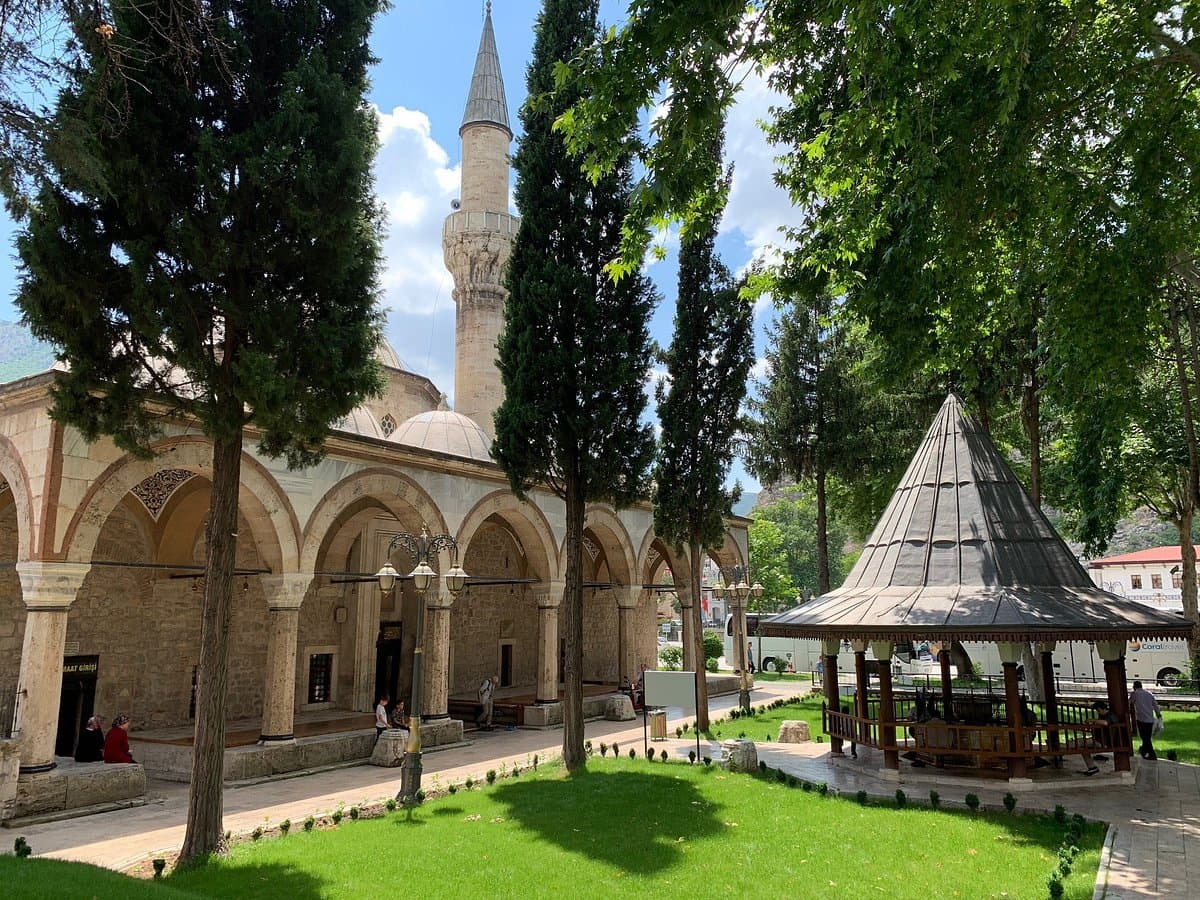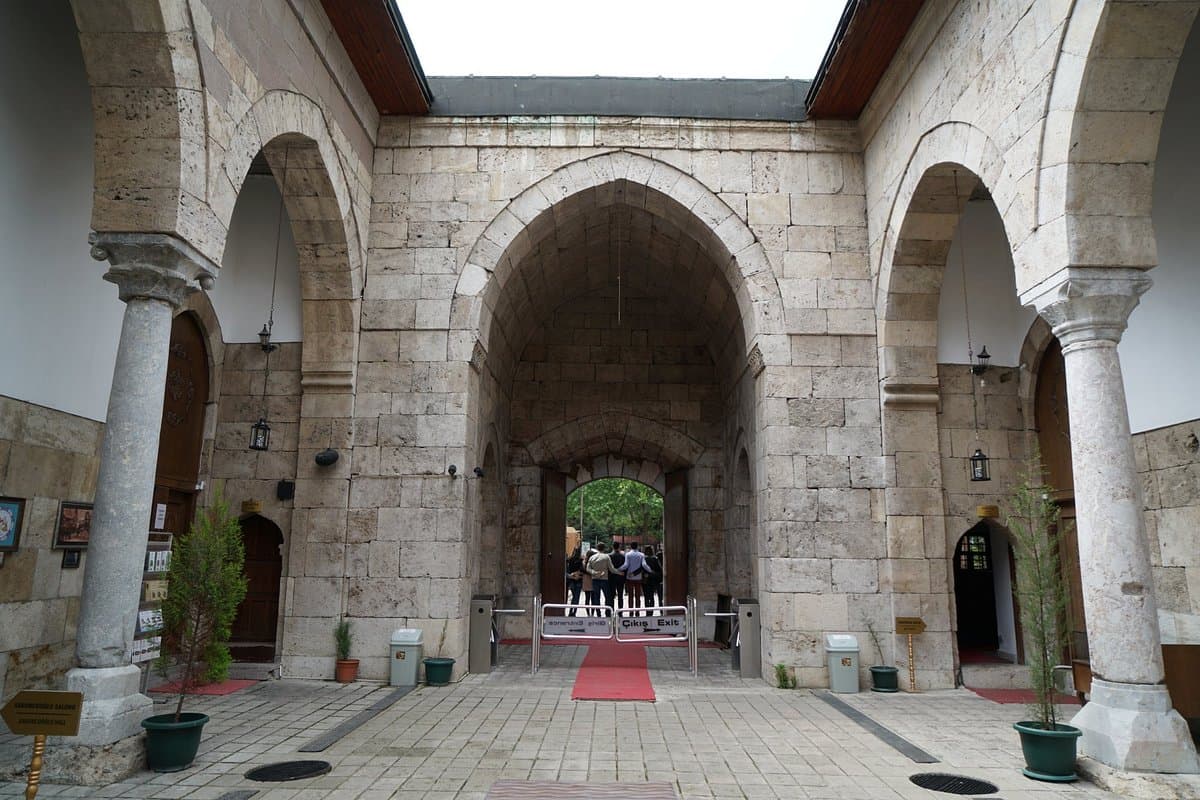
The Sabuncuoglu Medical and Surgical Museum, housed in a historic building in Amasya, showcases the evolution of medical practices from the 14th to the 19th centuries, with a particular focus on the work of the renowned physician Şerefeddin Sabuncuoğlu. This institution, originally a hospital and asylum, offers a rare insight into early Anatolian medical centers, highlighting the ingenuity and knowledge of healers from centuries past.
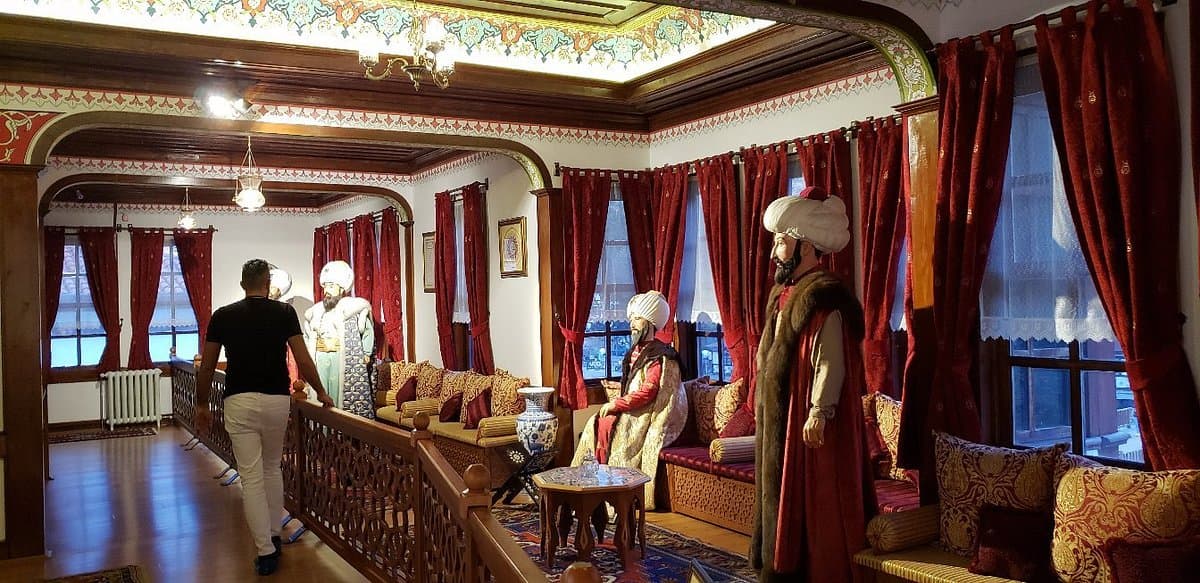
Visitors frequently praise the museum for its detailed explanations of how various health problems were treated, often using life-sized dolls and miniatures to illustrate surgical procedures and therapeutic methods. A recurring highlight is the music therapy section, where the use of Turkish music to treat mental illnesses is demonstrated, surprising many with its progressive approach for the era. The collection of ancient surgical tools and medicinal herbs also draws significant interest, providing a tangible connection to historical medical science. While some descriptive information is primarily in Turkish, the visual exhibits are generally clear enough to convey the concepts.
To make the most of your visit, allocate approximately 1 to 2 hours. The museum is relatively small but packed with information. Reviewers suggest that while the display areas can be a bit dark, the content is well worth the effort. Consider visiting during off-peak hours to avoid crowds and allow for a more contemplative experience. The admission fee is 50 TRY, which visitors generally consider a fair price for the unique insights offered.
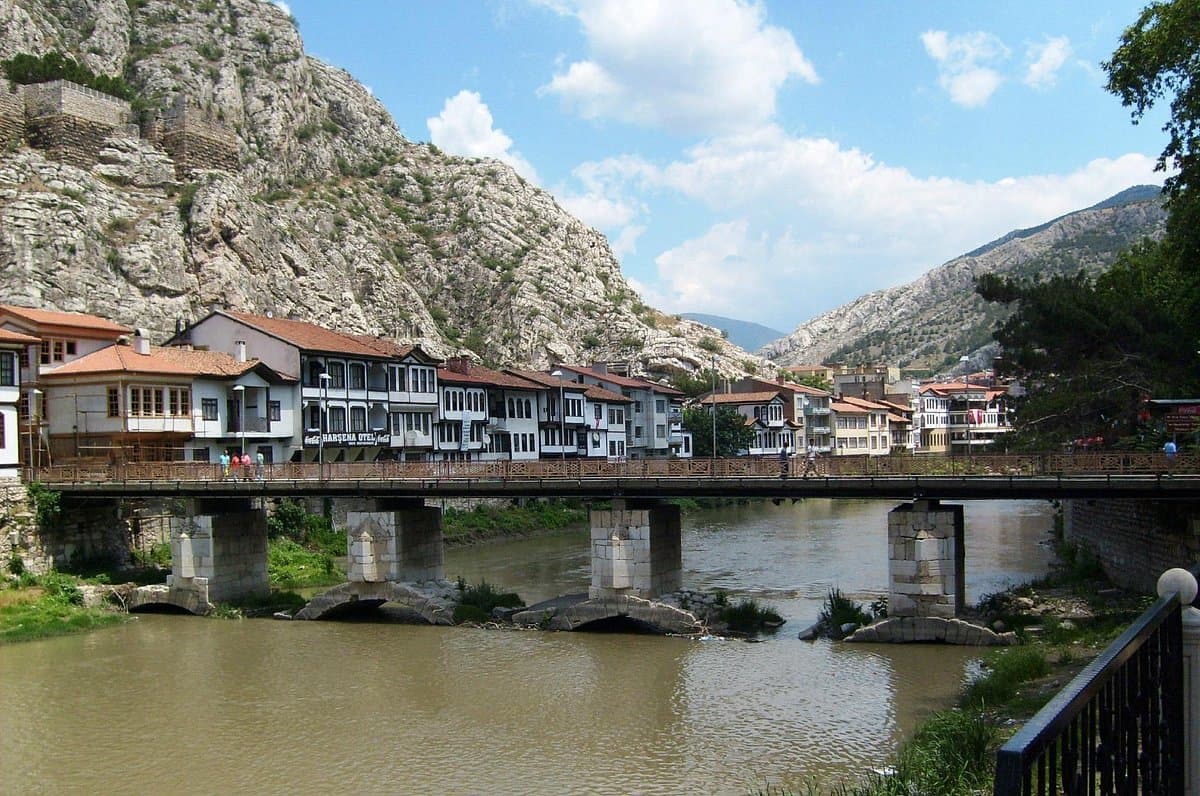
The museum is conveniently located on Mehmet Paşa Cad. in Amasya. Its central location makes it easily accessible on foot from many parts of the city. While specific public transport lines aren't frequently mentioned in reviews, Amasya is a walkable city, and the museum is a short stroll from other historical sites.
A common observation from some visitors is that the exhibits, while informative, can feel a bit "Disneyfied" or amateurish compared to larger, more modern medical history museums. However, even these reviewers acknowledge the historical significance and the effort to make the information accessible, especially for younger audiences. To mitigate this, approach the museum with an open mind, focusing on the historical context and the unique aspects of medieval Turkish medicine rather than expecting a high-tech, interactive experience.