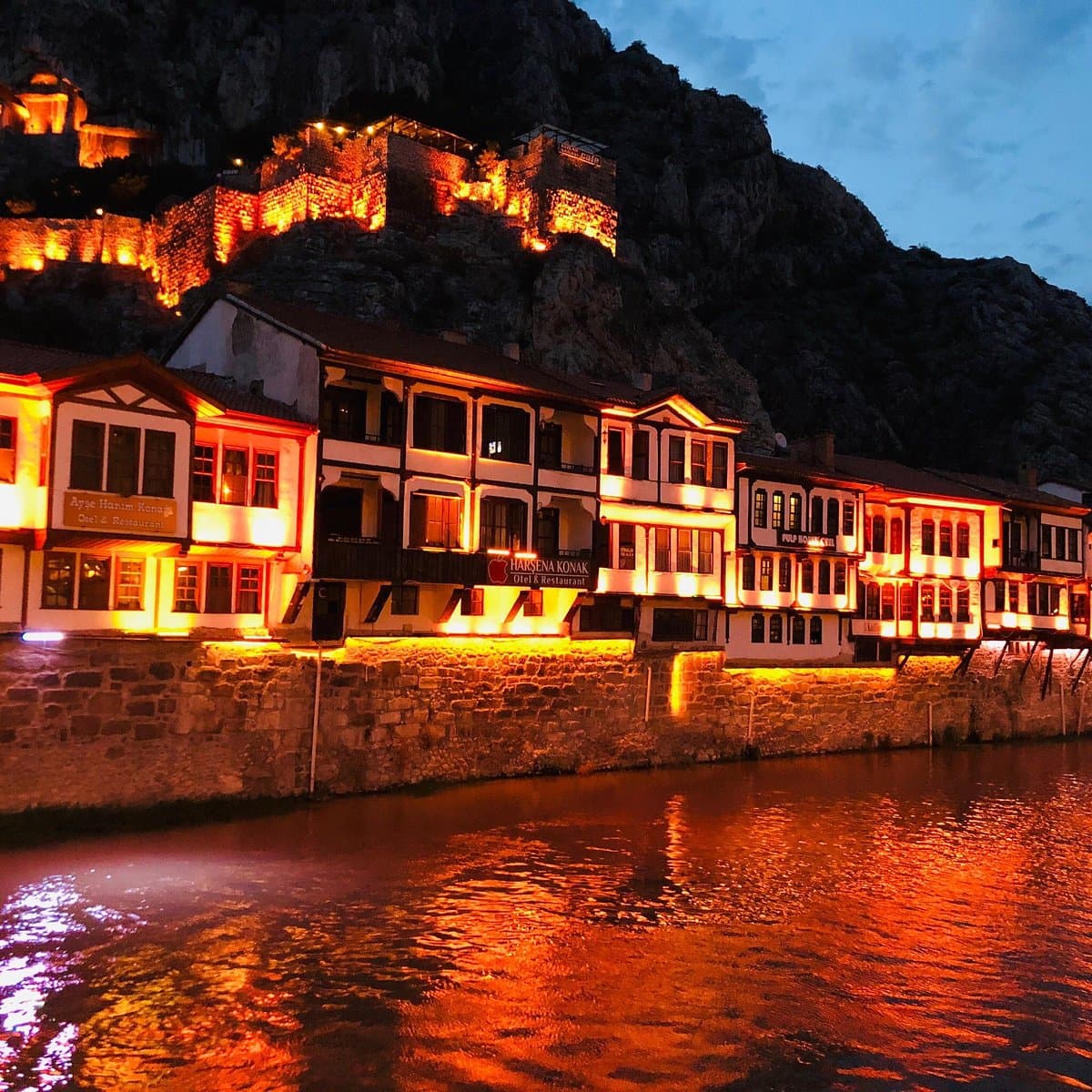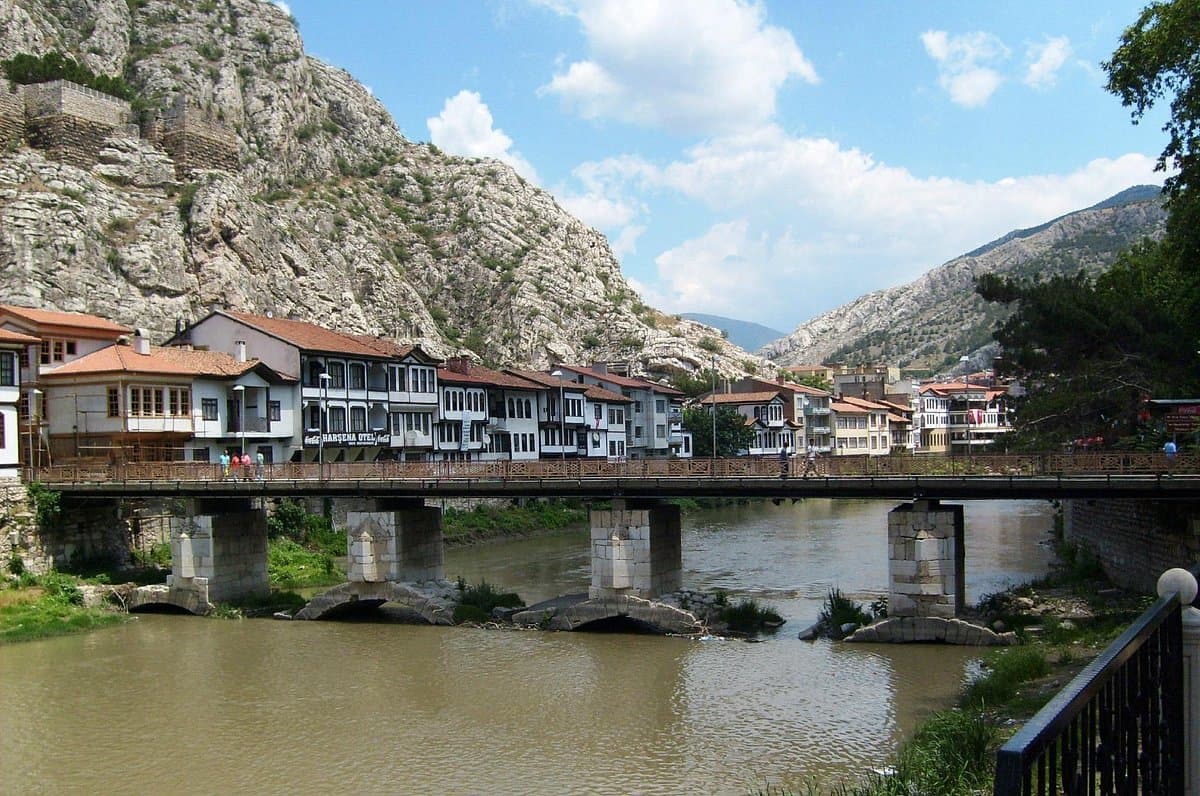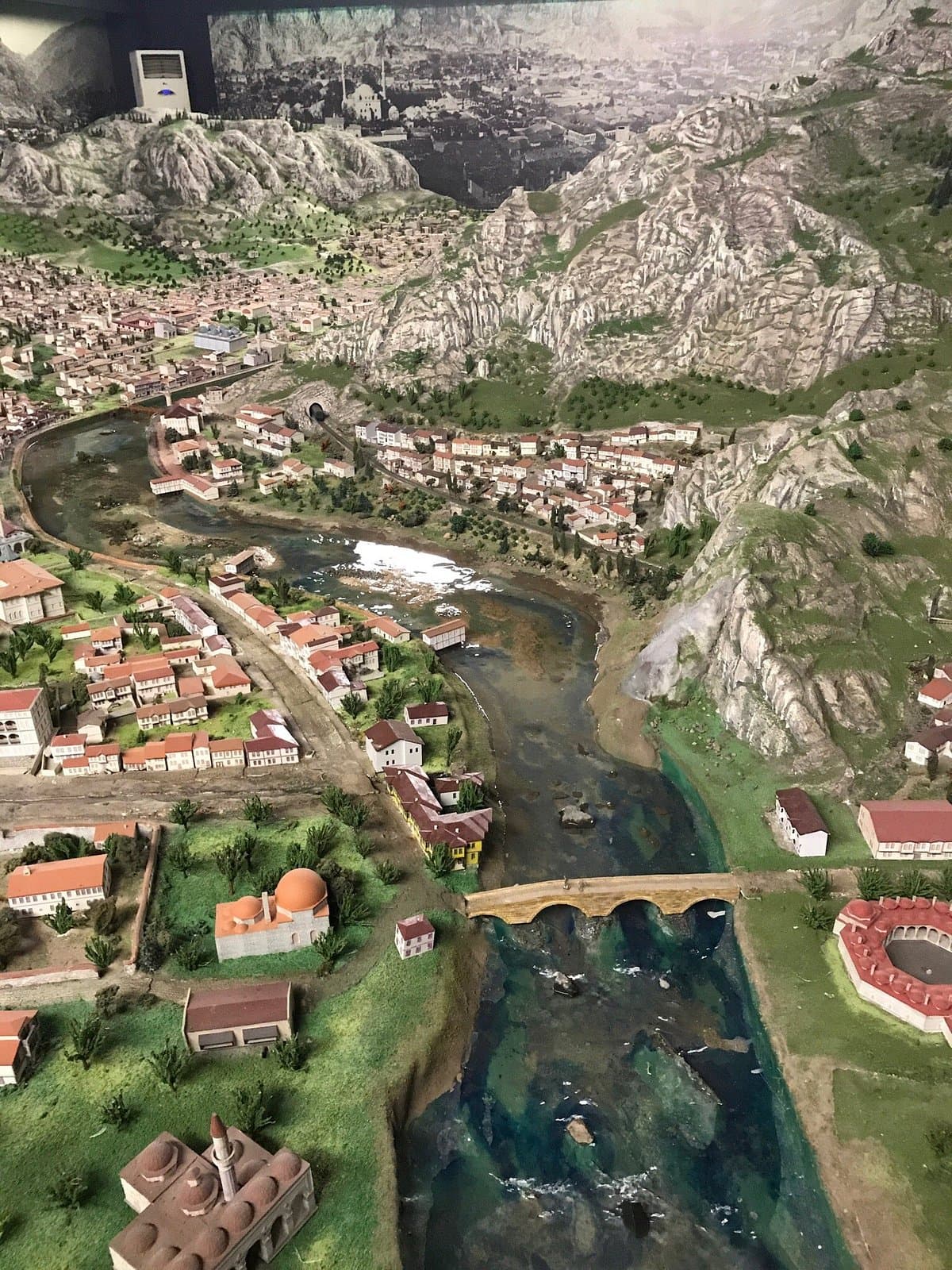
The Minyatur Amasya Museum is a unique attraction dedicated to showcasing the city of Amasya through intricate miniature models. It provides a bird's-eye view of the city's historical and architectural landscape, allowing visitors to grasp its layout and significant sites in a condensed format. This museum is particularly valuable for those who wish to gain an understanding of Amasya's geography and evolution before embarking on a physical tour.
Visitors consistently praise the museum for its detailed and well-crafted miniatures, which often include day and night lighting effects, bringing the models to life. Many reviewers highlight the informative explanations provided by staff, often in Turkish, which delve into the city's history and the changes it has undergone since periods like 1915. Families with children find it especially engaging, as the small-scale representations capture the imagination and make learning about the city accessible and fun for all ages.
To make the most of your visit, allocate about 30 minutes to an hour. It's often recommended to visit the museum early in your trip to Amasya, as it can serve as an excellent orientation tool, helping you identify places you'd like to explore further. While the explanations are primarily in Turkish, even without a full translation, the visual detail of the models is sufficient to convey a strong sense of the city. Consider bringing a translation app if you want to fully understand the guide's commentary.
The museum is conveniently located on Saray Sokak in the city center of Amasya, making it easily accessible on foot from most central accommodations and other major attractions. Its central position means you can often combine a visit here with other nearby sights without needing additional transportation.
A common point of contention among some visitors is the entry fee, which a few feel is disproportionate to the size of the exhibition, given that it primarily features a single miniature city view. However, most reviewers find the experience worthwhile due to the quality of the models and the informative context provided. To mitigate this, consider it an investment in understanding the city's layout, which can save time and enhance your exploration of the actual sites later.