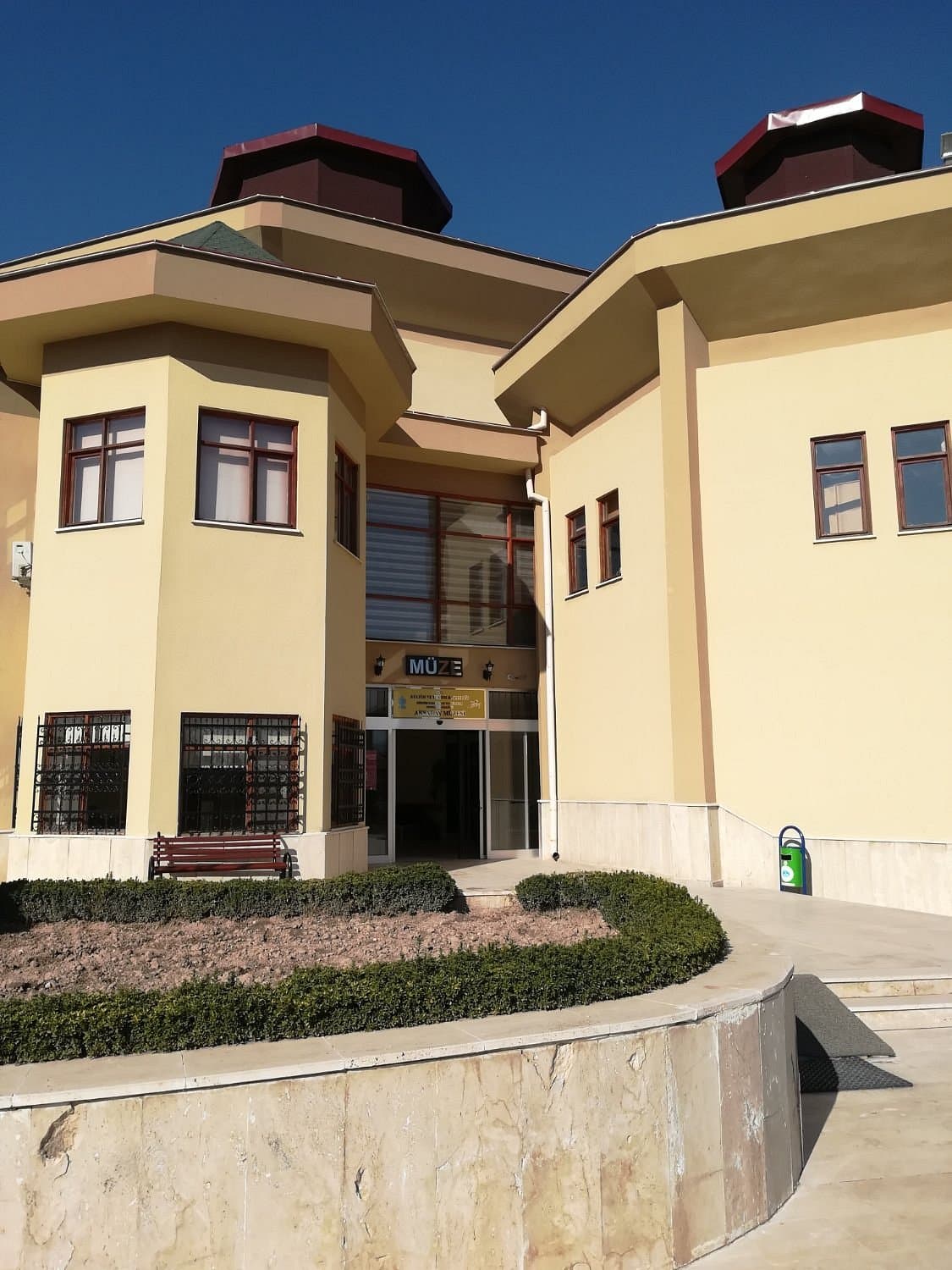
The Aksaray Museum is a relatively new institution, opened in 2014, designed to showcase the rich archaeological and ethnographic heritage of Central Anatolia. It serves as a concise yet comprehensive educational resource, tracing the region's history from prehistoric times through the Hittite, Roman, Byzantine, Seljuk, and Ottoman periods. For those with a keen interest in Anatolian history, it provides a valuable context for understanding the broader historical landscape of Turkey.
Visitors consistently praise the museum's modern design, clean facilities, and well-organized displays. Many reviewers highlight the clear presentation of artifacts, which include items from the Neolithic era, mummified remains (babies, adults, and animals), and various currencies. The museum's octagonal shape and three floors (though the top floor is generally not accessible to the public) contribute to an engaging visitor experience. Staff are often described as inviting and hospitable, enhancing the overall visit. Reviewers note that despite not being a large museum, it effectively delivers a fast-paced course in Anatolian history.
To make the most of your visit, plan to spend approximately 1.5 to 2 hours exploring the exhibits. The museum is generally not crowded, allowing for a leisurely pace. It's particularly recommended for those who appreciate detailed historical context and archaeological findings. While some visitors found the no-photography policy unusual, it's advisable to respect this rule. Consider visiting in the morning or late afternoon to avoid any potential tour groups, though many reviewers mention having the museum largely to themselves.
The museum is located at Hacilar Harmani Mah. 5. Bulv. Konya Cad. 5719 Sok. No:16, Aksaray Merkez. Several reviewers mention its location being "slightly out of town" or "on the road to the big bus station," suggesting it might be best reached by taxi or private vehicle if you are not staying nearby. There is also mention of another museum downtown, so ensure you are heading to the correct, newer Aksaray Museum. While one review vaguely mentions access by metro and tram, Aksaray city does not have these public transport options; this comment likely refers to a different Aksaray (e.g., in Istanbul). Therefore, relying on local taxis or driving is the most practical way to get there.
The primary complaint noted by visitors is the strict no-photography policy, which some found unusual for a museum of this type in Turkey. To mitigate this, be prepared to simply enjoy the exhibits without capturing them on camera. Another minor point is that the third floor is used for warehousing and is inaccessible, which might slightly disappoint those expecting full access to all levels.