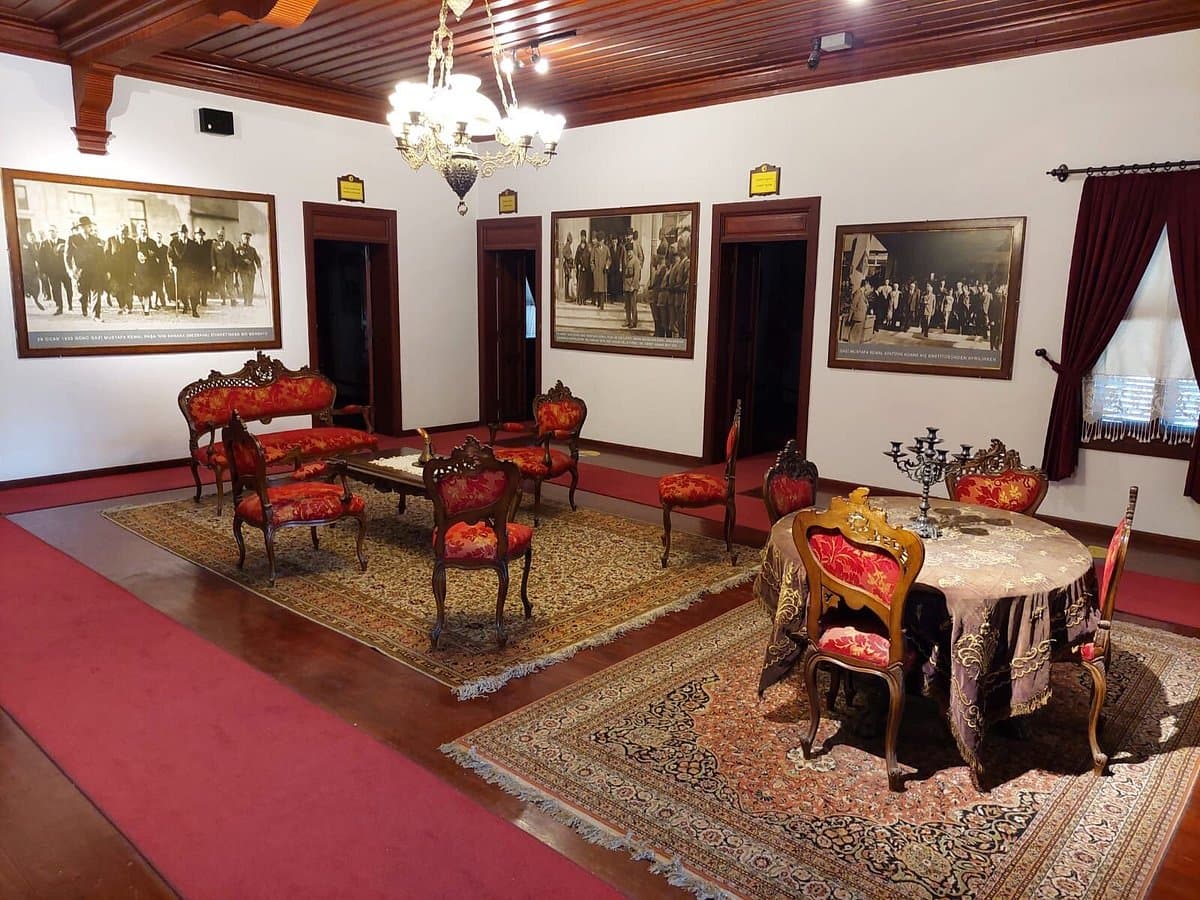
The Atatürk Scientific & Cultural Museum is located in a historic mansion in Adana, which was gifted to Mustafa Kemal Atatürk during his visits to the city. It serves as a tribute to the founder of the Turkish Republic, showcasing historical information, personal effects, and replicas related to his time in Adana and his broader legacy. For those interested in Turkish modern history, particularly Atatürk's role, this museum offers a focused and intimate perspective.
Visitors consistently praise the historical significance of the building itself and the valuable information presented within. Many appreciate the opportunity to see a traditional Adana house and learn about Atatürk's connection to the region. The bedroom of Atatürk is often highlighted as a particularly nice room. However, some visitors note that the museum's exhibits can feel a bit dark and gray, with a focus on photos and period furniture rather than interactive displays. Despite this, the overall sentiment is that it's a worthwhile stop for history enthusiasts.
To make the most of your visit, allocate about 1-2 hours. The museum is best visited during cooler parts of the day, as the building can be warm. It's advisable to wear comfortable shoes as the first floor is only accessible by stairs. There are no specific items to bring, but a camera might be useful for capturing the historical ambiance. The museum is generally free to enter, making it an accessible cultural experience.
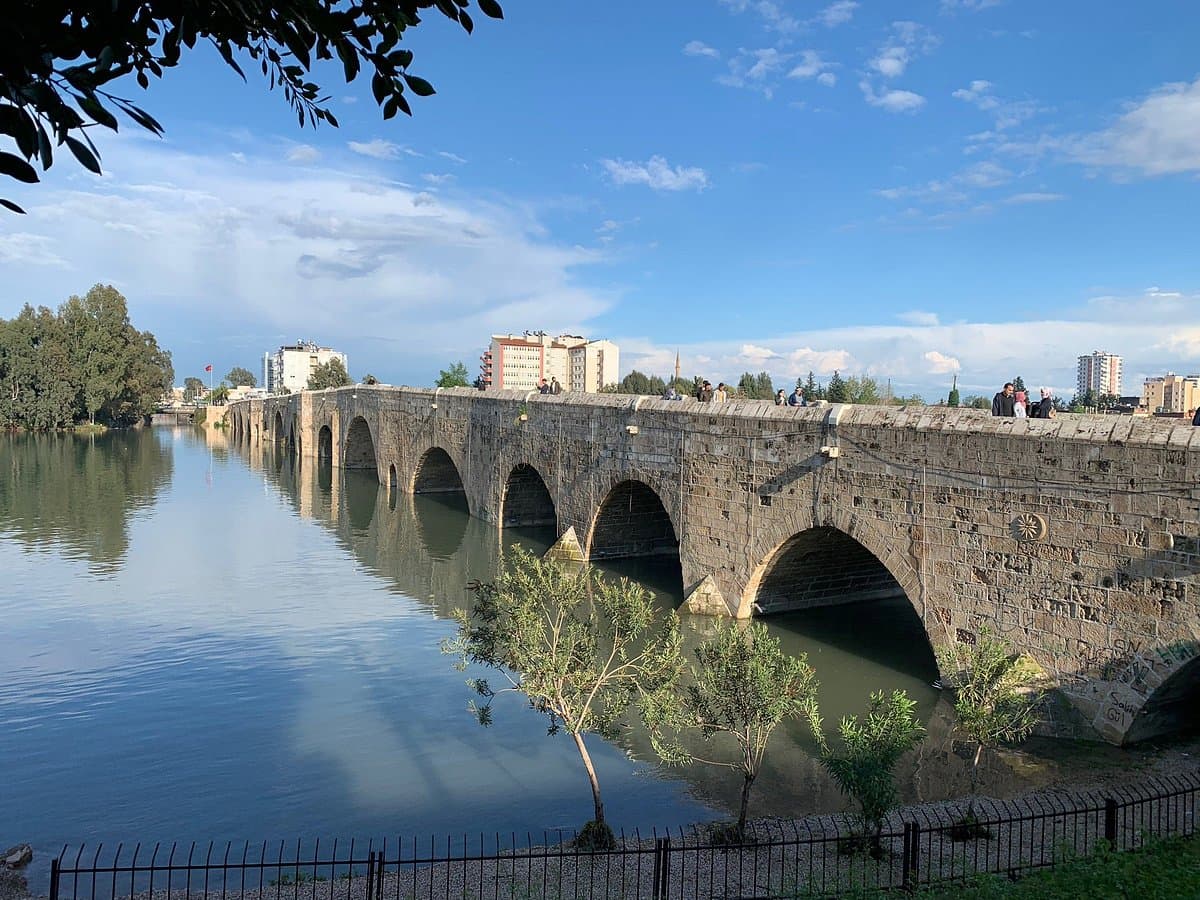
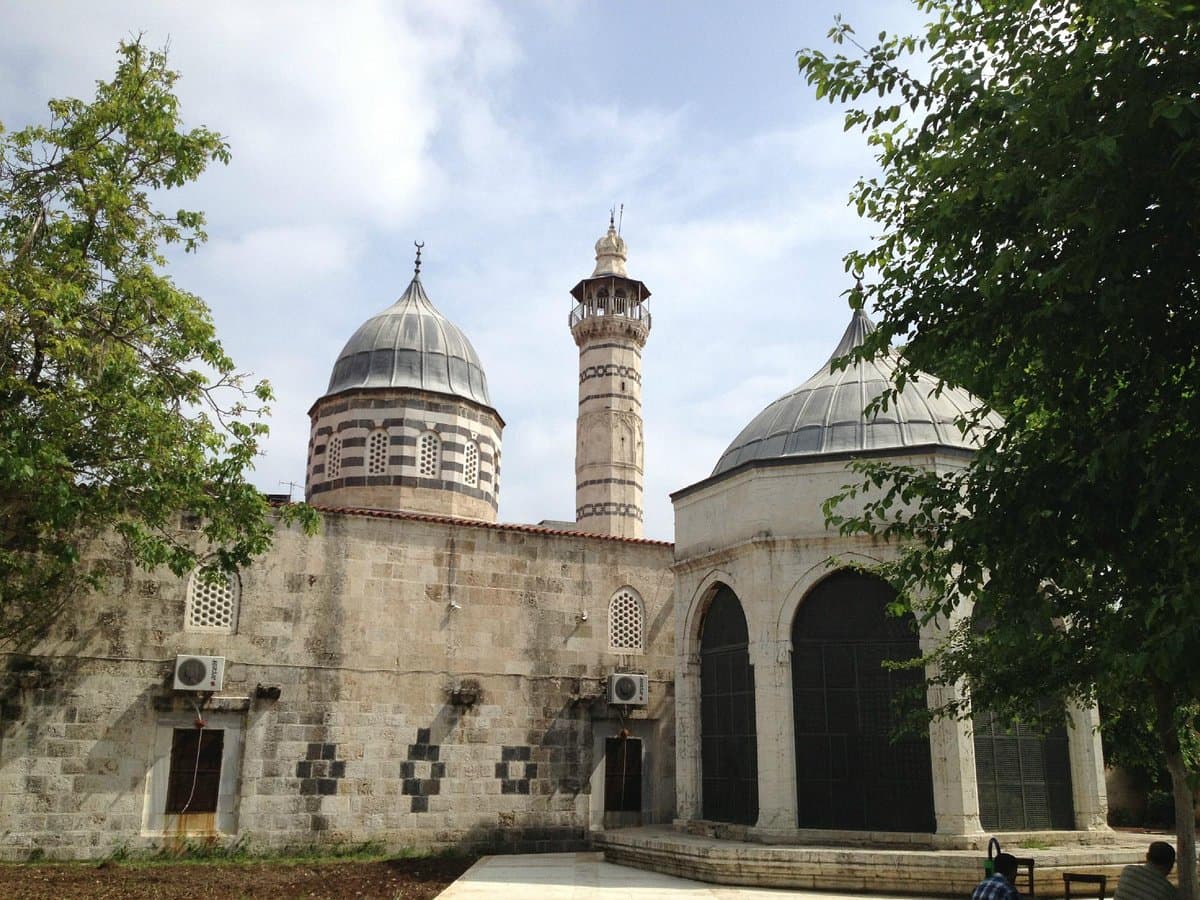
The museum is conveniently located near the Taşköprü (Stone Bridge) and the Grand Mosque (Yagcami) in Adana, making it easily reachable on foot if you are exploring the city center. The address is Kayalibag Mah. Seyhan Cad. No:59 Yagcami, Seyhan, Adana. Its central location means it's well-connected by local public transport if needed, though walking from nearby attractions is often the preferred method for visitors.
A common complaint is the somewhat dated presentation of the exhibits, with some finding them less impressive or engaging than modern museums. To mitigate this, approach the museum with an appreciation for its historical authenticity and the opportunity to step into a preserved period setting, rather than expecting high-tech interactive displays. Focusing on the personal connection to Atatürk and the architectural details of the house can enhance the experience.